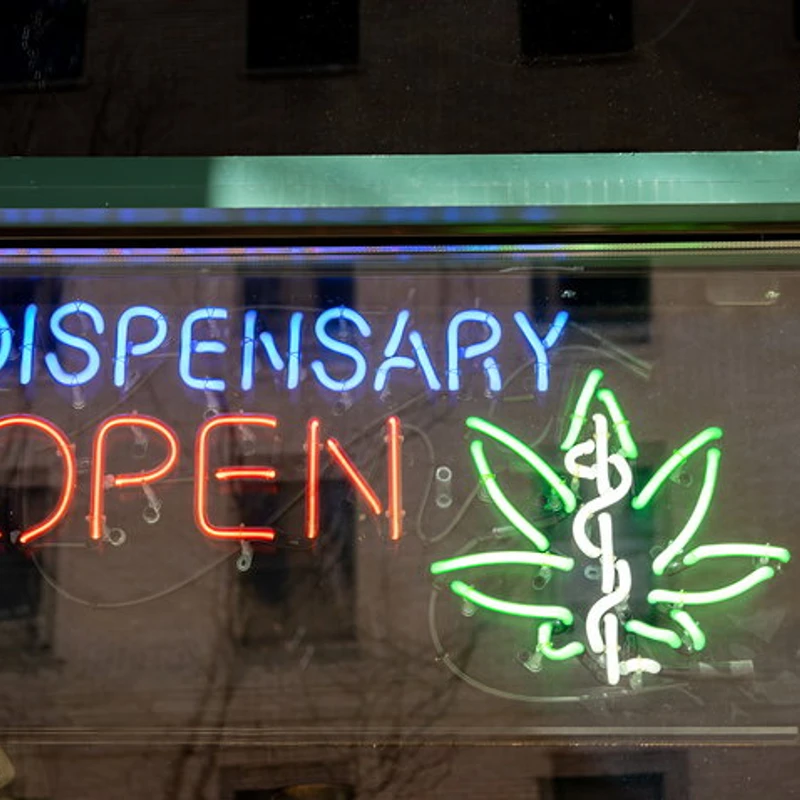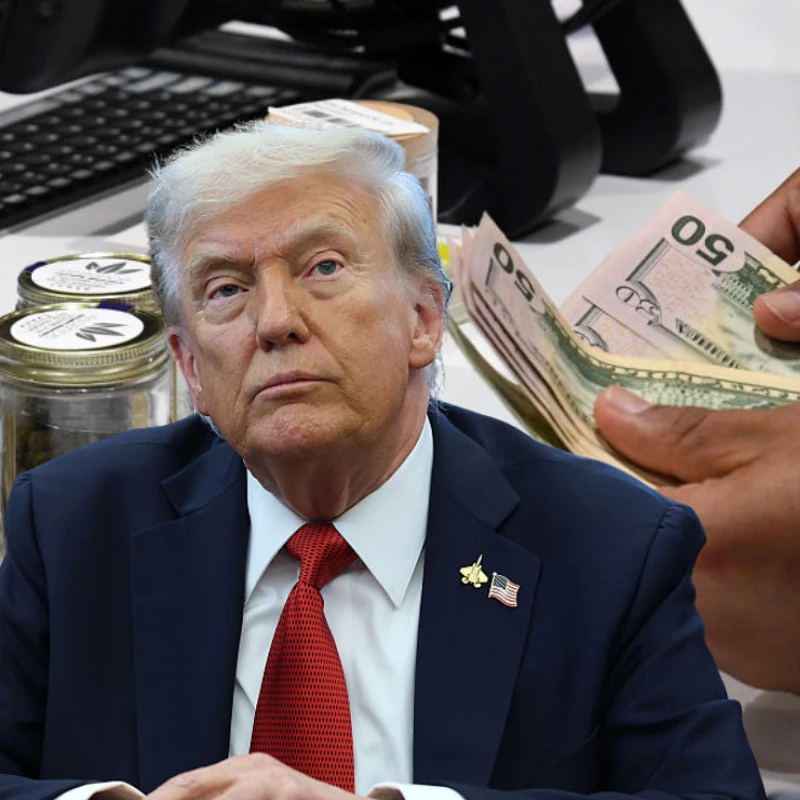
The Trump administration has taken a significant step by rescheduling certain marijuana products under the Controlled Substances Act, moving them from Schedule I to Schedule III. This move, initiated by Acting U.S. Attorney General Todd Blanche, aims to deregulate state-licensed medical marijuana and FDA-approved products, potentially expanding patient access to treatments.
A Partial Rescheduling, Not Full Legalization
While this is a first-of-its-kind action, it falls short of a complete rescheduling of marijuana. Non-medical cannabis remains classified under Schedule I, the most restrictive category reserved for drugs like heroin and LSD. The Department of Justice stated this action delivers on a promise to “expand Americans’ access to medical treatment options” and allow for further research into the substance’s safety and efficacy.
However, this partial rescheduling has created confusion within the cannabis industry and among policymakers. Cat Packer, director of Drug Markets and Legal Regulation at the Drug Policy Alliance, noted that the administration decided to “bifurcate” the rescheduling process, leading to a more complex situation than anticipated.
Disproportionate Impact on Black Businesses
A major concern arising from this move is its potential negative impact on Black businesses within the burgeoning cannabis industry. Advocates have long highlighted the disproportionate harm Black communities face due to marijuana prohibition and enforcement, with Black individuals being 3.6 times more likely than white individuals to be arrested for marijuana possession, according to the ACLU.
The DOJ order includes significant federal tax breaks for medical-licensed businesses. However, racial inequities in medical marijuana licensing mean that these benefits are likely to bypass Black-owned enterprises. Packer explains that this “could be particularly disruptive for Black and brown businesses” because they may not qualify for the same tax relief if they primarily operate under adult-use licenses rather than medical ones.
Barriers to Entry and Growth
The number of Black-owned cannabis businesses has seen some growth, reaching nearly 2%, but this figure remains low, especially for those with medical licenses. Packer points out that “ownership data is going to look very different for medical marijuana licensees than adult use licensees.” This disparity means that as predominantly white-owned businesses benefit from tax relief, Black-owned businesses continue to face significant barriers to loans, capital, and banking under federal law.
- Rescheduling moves some marijuana products from Schedule I to Schedule III.
- Non-medical cannabis remains Schedule I.
- Tax breaks offered to medical-licensed businesses.
- Black-owned businesses disproportionately affected by licensing inequities.
- Continued federal barriers to banking and capital for Black entrepreneurs.
The Attorney General announced that the DOJ will fast-track the full rescheduling of marijuana, with a hearing set for June 29. However, the current piecemeal approach risks widening the economic gap, leaving Black entrepreneurs behind while others capitalize on the evolving legal landscape.
What are your thoughts on the Trump administration’s marijuana rescheduling decision and its impact on Black businesses? Share your views in the comments below!