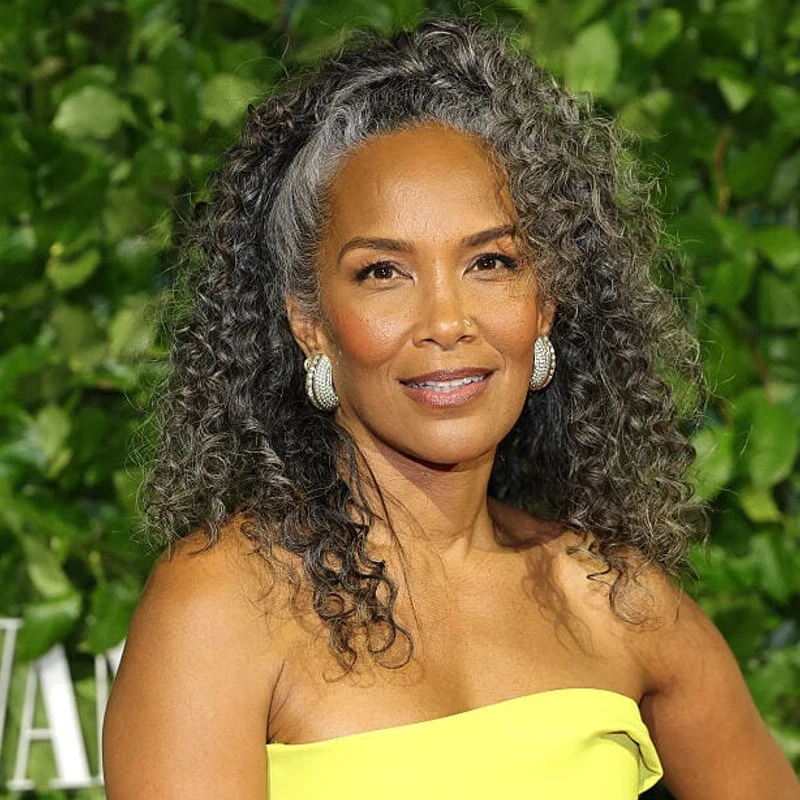
Tag: Mara Brock Akil

  • Mara Brock Akil Honored with Norman Lear Award

    It’s about time! Legendary writer and showrunner Mara Brock Akil is finally getting the industry-wide recognition she truly deserves. The Producers Guild of America is honoring her with the prestigious Norman Lear Achievement Award, celebrating her incredible impact on television and her role in shaping a generation of Black storytelling.

    A Trailblazer in Black Television

    For countless viewers, Mara Brock Akil’s work wasn’t just entertainment; it was a form of cultural connection. Her shows provided a mirror for Black women, reflecting their friendships, struggles, ambitions, and triumphs with authenticity and depth. This journey began when she joined Fox’s ‘South Central’ at just 23, but she made history by 30, becoming the youngest African American showrunner on broadcast television with UPN’s ‘Girlfriends’.

    The iconic series ‘Girlfriends,’ starring Tracee Ellis Ross, Golden Brooks, and Persia White, became a foundational text for modern ensemble shows featuring Black women. Throughout the 2000s, Brock Akil was a consistent force, often being the only African American showrunner with a series airing each year, highlighting both her immense talent and the systemic barriers in the industry.

    Expanding the Landscape of Black Representation

    Brock Akil’s influence continued to grow with BET’s first drama, ‘Being Mary Jane,’ and she even revived ‘The Game’ for Paramount Plus. Alongside her husband, Salim Akil, she brought ‘Black Lightning’ to The CW, consistently pushing for Black characters to be seen in spaces where they were historically underrepresented. Her recent Netflix project, ‘Forever,’ a Black-led teen romance based on Judy Blume’s novel, was also a hit, earning a second season renewal.

    A Legacy of Purposeful Storytelling

    PGA Presidents Donald De Line and Stephanie Allain lauded Brock Akil’s ability to bring stories to life with ‘purpose and imagination,’ stating that her work has ‘set a standard for excellence.’ In her own words, Brock Akil expressed her inspiration from Norman Lear, noting that his work demonstrated ‘storytelling can move culture, challenge assumptions and create community.’ She feels this honor encourages her to continue championing characters and narratives that reflect the richness of life.

    What’s your favorite show created by Mara Brock Akil? Let us know in the comments below!

  • Mara Brock Akil & Michelle Obama on Black Kids & Crushes

    Remember that fluttery feeling of your first crush? The endless strategizing, the daydreaming, the sheer thrill of someone noticing you romantically? Whether the feelings were mutual or not, experiencing a crush is a significant part of growing up. But what happens when this common rite of passage is less accessible for some children, particularly Black youth navigating predominantly white environments? That’s a conversation Mara Brock Akil, the creative force behind shows like “Forever” and “Love is,” is passionate about, and she recently shared her insights with Michelle Obama and Craig Robinson on the “IMO” Podcast.

    The Importance of Being ‘Crushed On’

    Akil, a mother to two sons, Yasin Ali Akil (21) and Nasir Lukmon Akil (16), believes that young Black individuals deserve to experience the validation of having a crush and being mutually desired. She noted a common observation among other mothers: “Oh, they’re on their third girlfriend.” Akil expressed a desire for her own sons to have had similar experiences, reflecting on how many young Black people enter college without ever having had a boyfriend or girlfriend.

    Michelle Obama echoed this sentiment, pointing out that this lack of early romantic experience is prevalent in white-dominated spaces. Akil argues that this isn’t healthy. “Not to [feel] like someone even likes you, even if it’s for a week,” she stated. “There’s no memory of a mutual desire and how to negotiate those feelings, those conversations, those opportunities to come to mom or dad for advice or aunt and uncle or village.” She believes there needs to be a space for young people to practice navigating these early social and emotional interactions.

    Navigating Societal Perceptions and Racial Dynamics

    Akil referenced Dr. Jawanza Kunjufu’s work, highlighting the societal shift where Black boys are often perceived as cute and desirable in early grades (kindergarten to fourth grade) but can later be seen as threatening as they grow. This societal perception, whether conscious or unconscious, can impact how Black children are viewed romantically. Akil acknowledges the guilt parents might feel raising Black children in predominantly white schools, aware of these underlying racial dynamics.

    She shared how trips to Oak Bluffs in Martha’s Vineyard became pivotal for her family, offering her sons a chance to see themselves reflected in their community and be surrounded by people who look like them. This sense of belonging is vital, especially when discussing sensitive topics like crushes and burgeoning romantic feelings.

    Fostering Healthy Emotional Development Through Media

    Akil hopes her show “Forever” sparks important conversations within families, not just about sexual health but also emotional well-being. She believes that while these discussions can be uncomfortable, they are essential for protecting children in the long run. “Yes, you should go through this rite of passage, but how do you get through it in a healthy way?” she posed. Akil emphasizes the value of these experiences happening under a parent’s watchful eye, allowing them to guide their children through the ups and downs.

    Ultimately, Akil advocates for nurturing crushes and early romantic feelings, rather than fearing them. She sees them as a vital part of learning to feel, to be seen, and to navigate the complexities of love and relationships. By creating an environment where these growing stages can be discussed and understood, parents can help their children develop healthy emotional intelligence.

    What are your thoughts on the importance of early crushes for Black children? Share your experiences and perspectives in the comments below!