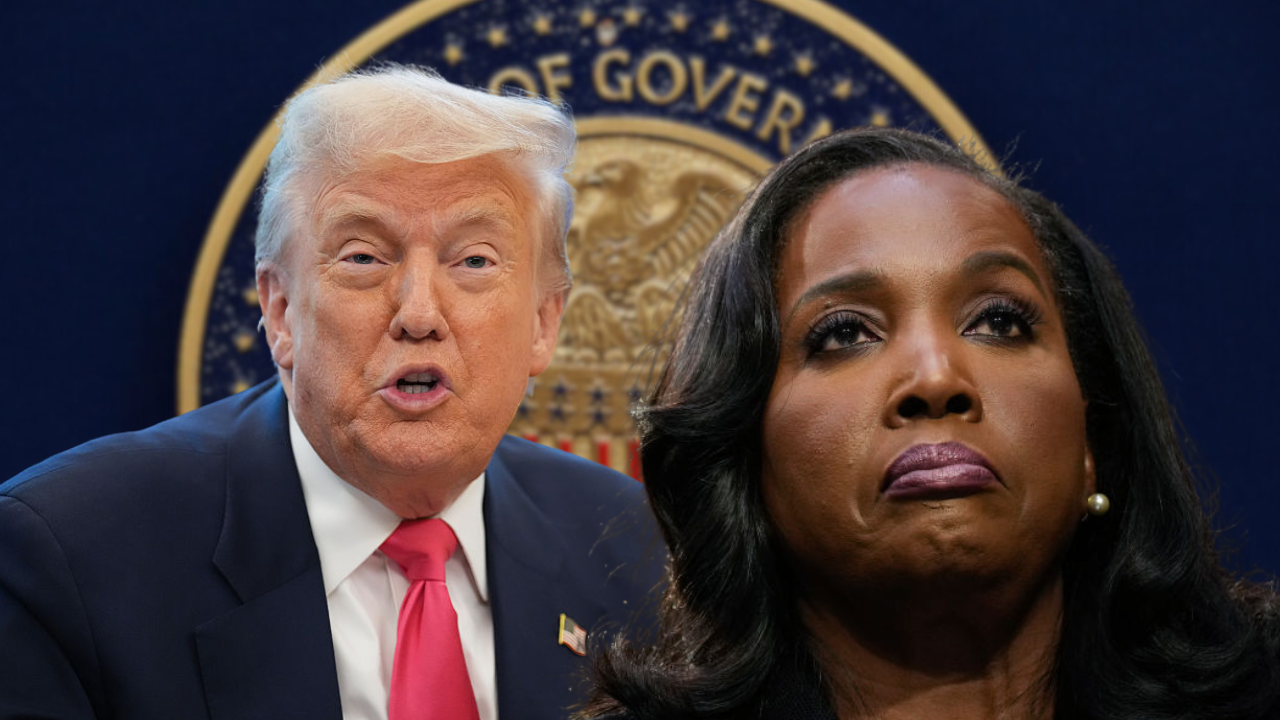
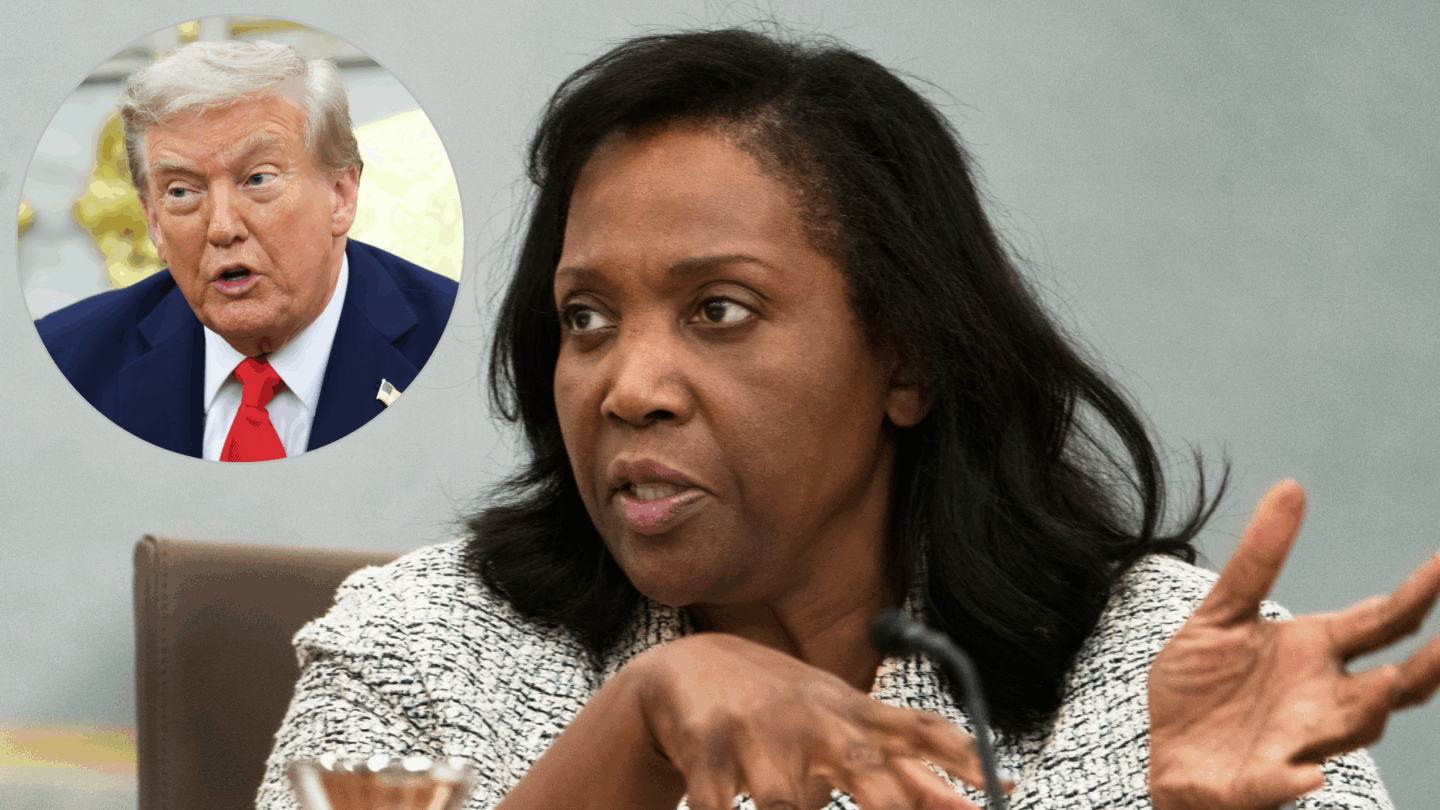
Federal Reserve Governor Lisa Cook is preparing for a legal showdown, with her lawyer announcing plans to sue the Trump administration to prevent her removal. This move signals a potential high-stakes legal battle that could reach the Supreme Court and redefine the boundaries of presidential authority over the Federal Reserve.
Challenging Presidential Authority
Cook’s lawyer, Abbe Lowell, stated unequivocally, “President Trump has no authority to remove Federal Reserve Governor Lisa Cook.” He further asserted that the attempt to fire her, based on allegations of mortgage fraud, lacks factual or legal basis, and vowed to file a lawsuit challenging the action as illegal. This challenge directly questions the president’s power to dismiss central bank officials.
The core issue at stake is the Fed’s independence from political influence. Most economists believe this independence is crucial for maintaining stable long-term inflation and interest rates. Trump, however, has openly expressed his desire to exert more control over the Fed to push for lower interest rates, stating he will only appoint board members who support lower borrowing costs.
The Fed’s Stance and Economic Implications
The Federal Reserve itself has stated it will “abide by any court decision.” The central bank emphasized that its long tenures and removal protections for governors are vital safeguards, ensuring monetary policy decisions are data-driven and serve the long-term interests of the American people. While the Fed’s statement did not directly criticize Trump’s actions, it underscored the importance of its political independence.
If Trump succeeds in removing Cook, it could erode the Fed’s ability to make potentially unpopular decisions, like raising interest rates. A less independent Fed might lead to higher borrowing costs for Americans, as investors could demand higher yields on bonds to compensate for the risk of increased future inflation.
The Allegations and Legal Groundwork
The basis for Trump’s attempt to remove Cook stems from allegations made by Bill Pulte, a Trump appointee, claiming Cook misrepresented her primary residences in 2021 to secure better mortgage terms. Trump cited these allegations in a letter stating he was removing Cook “effective immediately.” However, legal experts suggest Trump’s claim of authority to fire Cook, who was appointed by President Biden in 2022, is on shaky legal ground, especially given the Federal Reserve Act’s “for cause” removal provision.
Experts like Lev Menand, a law professor at Columbia University, note that while the firing might be illegal, Trump could argue constitutional authority, a tactic that has seen some success in other cases this year. The Supreme Court’s recent willingness to allow presidents to remove agency officials could influence the outcome, potentially setting new constitutional law.
Cook’s Refusal to Resign
Lisa Cook has firmly stated she will not resign. “President Trump purported to fire me ‘for cause’ when no cause exists under the law, and he has no authority to do so,” she declared. “I will not resign.” Unlike some previous removals from independent agencies, the Supreme Court has previously suggested that the president may not have the same freedom to remove Fed governors due to the central bank’s unique structure.
Cook, the first Black woman to serve as a Fed governor, boasts an impressive academic background, including degrees from Oxford University and Spelman College. The legal interpretation of “for cause” typically implies malfeasance or dereliction of duty while in office, not actions taken prior to appointment. As the legal battle unfolds, the case could have significant implications for the future of the Federal Reserve’s independence.
What are your thoughts on the potential legal battle between Lisa Cook and the Trump administration? Share your views in the comments below!