Tag: Justin Pearson

  • TN Democrats Suspended After Redistricting Protest

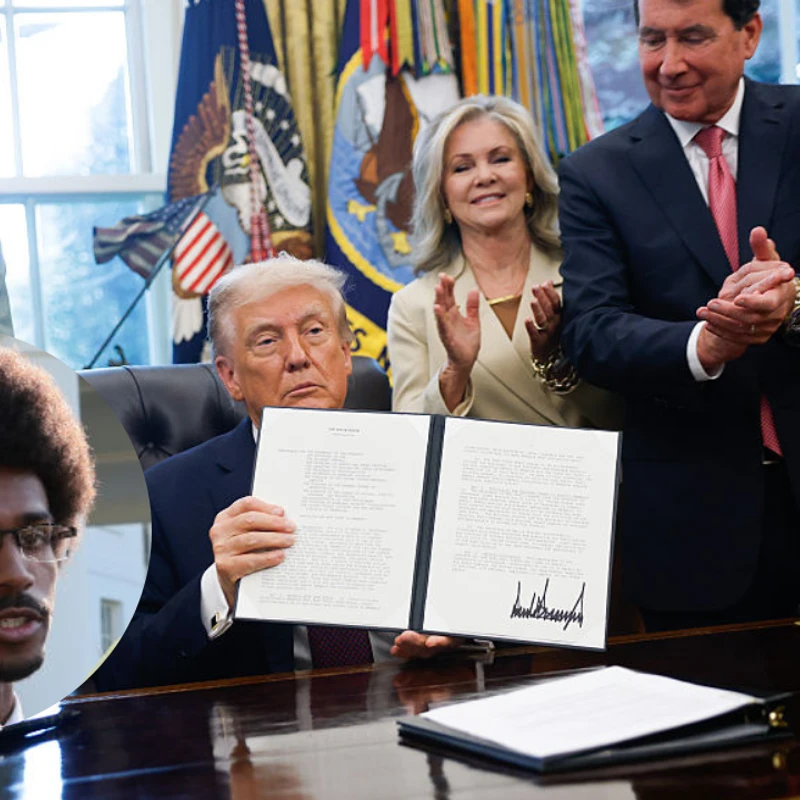
    In a dramatic move, Tennessee House Speaker Cameron Sexton has suspended all 24 House Democrats from their committee assignments. This action comes as a direct response to a protest staged by the Democratic caucus during a special session vote on a controversial congressional redistricting map.

    The Redistricting Controversy

    The heart of the conflict lies in a new congressional redistricting plan that effectively splits Tennessee’s only majority-Black, Democrat-held congressional district in Memphis. This move disproportionately affects areas like Memphis and has drawn sharp criticism from Black legislators across the South who are resisting similar efforts by Republican-led legislatures.

    Reps. Justin Jones and Justin Pearson, both prominent figures in the protest and directly impacted by the new map, were among those suspended. This isn’t the first time these lawmakers have faced repercussions; they were previously expelled from the chamber in 2023 but were later reinstated following significant public outcry.

    Accusations of Decorum Violations

    Speaker Sexton cited violations of House decorum rules in a letter to House Minority Leader Karen Camper. These alleged violations included Democrats linking arms during the vote, distributing earplugs, and using prohibited props and noisemakers. However, Sexton provided no evidence to support claims that protesters in the gallery were paid.

    The map in question, passed by the Republican majority, divides the former 9th Congressional District into two seats. These new districts are designed to dilute the Black voting power by incorporating rural and suburban white counties. Republican sponsors openly admitted the map was redrawn to “maximize partisan advantage.”

    A Power Play and Retaliation

    This special session was called by Governor Bill Lee at the request of former President Trump, following the Supreme Court’s decision to weaken key provisions of the Voting Rights Act. The goal was to secure a clean sweep of Tennessee’s congressional seats for Republicans. The suspension of Democrats from committees is seen as the latest move by the GOP supermajority to consolidate its power.

    House Minority Leader Karen Camper strongly condemned the speaker’s actions, stating, “This is about power and control.” She argued that the response to Democrats speaking out and exposing issues within the chamber is simply retaliation. Camper also pointed out the limited debate time allowed, suggesting symbolic references to the 47th president and the landmark 1954 Brown v. Board of Education decision.

    The Impact of the Suspension

    The suspension is set to last until the end of the year, significantly limiting the Democrats’ ability to influence legislation. Despite her public defiance, Camper described the punishment as deeply hurtful, comparing it to a “stab in the back, then having the knife pushed in deeper and turned to finish the job.”

    What are your thoughts on the suspension of Tennessee House Democrats? Do you believe this is a fair response to their protest? Share your views in the comments below!
  • Voting Rights Under Fire: Black Legislators Lead the Charge

    Imagine this: you’ve fought for decades to have your voice heard, and just when you think progress is made, the very foundations of your voting power are shaken. That’s the reality many Black communities are facing right now, following a significant Supreme Court decision that weakened the Voting Rights Act of 1965. But instead of silence, there’s a powerful chorus of resistance rising, led by Black legislators determined to protect democratic principles.

    Redrawing Maps, Diluting Voices

    In the wake of the Supreme Court’s ruling, Republican-controlled state legislatures, particularly in the South, are swiftly moving to redraw congressional maps. The concerning pattern? These new maps often target districts with majority Black and brown populations. While Republicans hold strong majorities in these states, making the political outcomes seem inevitable, Black Democratic legislators are refusing to go down without a fight.

    These lawmakers are using their platforms to raise awareness and organize resistance. Their goal? To highlight what they see as a deliberate effort by President Trump and Republicans to consolidate power by undermining fair representation and over 60 years of voting rights protections for Black Americans. It’s a move that many are calling a direct attack on Black political power.

    A Direct Challenge in Tennessee

    Take Tennessee State Rep. Justin J. Pearson, for example. He’s directly impacted by the redistricting efforts in his state. The Republican majority is aiming to eliminate the 9th Congressional District, the sole Democratic district in Tennessee, which is based in the majority-Black city of Memphis. Pearson, who is running for that very seat, sees this as more than just political maneuvering.

    The proposed map would split Memphis, a city where over 60% of residents are Black, into three separate districts. Critics argue this will significantly dilute the voting power of Black residents, making it harder for their voices and policy interests to be represented in Congress. This is precisely the kind of outcome that the Voting Rights Act was designed to prevent.

    The Legal Landscape Shifts

    The Supreme Court’s April 29th decision changed the game. Now, proving racial discrimination in redistricting requires demonstrating intentionality. The conservative majority stated that targeting Black voters is permissible if the justification is political. This, critics argue, gives Republicans a clear path to carve out majority-Black districts, simply by claiming a political motive, especially since Black voters overwhelmingly support Democratic candidates.

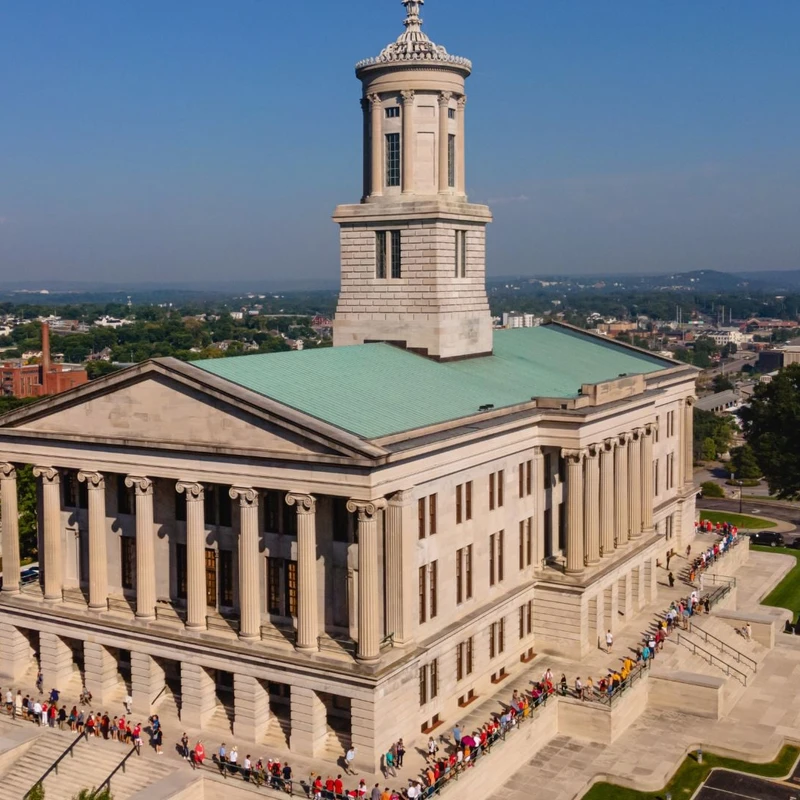
    In response, Pearson and other Democrats have introduced bills to protect voting rights and are actively protesting. Pearson even led a 9-mile march to “Defend District 9” and joined hundreds at the State Capitol. He emphasizes that resistance is crucial, stating, “This is our moment in time to resist, to persist, to fight back.”

    Florida’s Fight for Representation

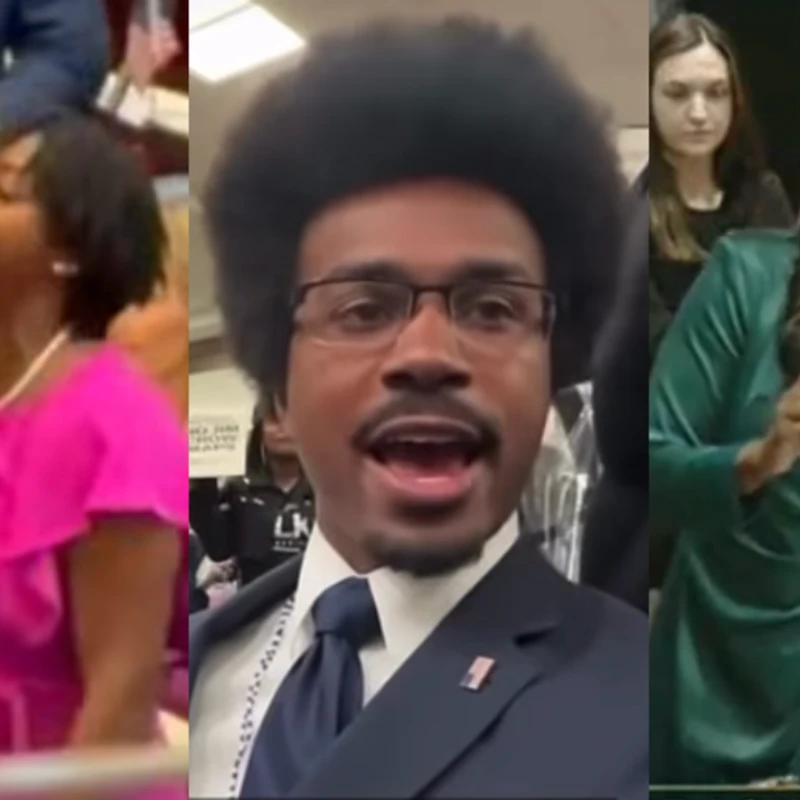
    The battle isn’t confined to Tennessee. In Florida, Republicans have also passed a new congressional map that redraws districts previously held by Black members of Congress. State Rep. Angie Nixon made her voice heard loud and clear on the House floor, using a bullhorn to denounce the map as a violation of the Constitution and an attempt to destroy democracy.

    Nixon explained her disruptive tactics were necessary because the map illegally diminished representation for Black, Latino, and Jewish communities. She believes this is a move to benefit Donald Trump and grant him unchecked power. “We have to do something different!” she urged.

    Florida State Senator Shevrin Jones is also calling out Republicans, reminding them that Florida voters approved a ban on political gerrymandering in 2010. He stated, “Black Floridians should be mad as hell, but motivated at the same time.” Jones warns that weakening historically underrepresented communities’ voting strength raises serious questions about racial gerrymandering disguised as politics. He’s ready for a fight, declaring, “going backward is not an option.”

    Appealing to Conscience and Courage

    Beyond civil disobedience, some legislators are appealing to the moral conscience of their colleagues. In Tennessee, State Senator London Lamar addressed the Senate floor, calling the move to eliminate Memphis’s sole Black voting district “one of the most racist actions taken in the modern history of this legislature.” She urged her colleagues to find the courage to do the right thing, emphasizing that gerrymandering to avoid fair elections is simply wrong.

    Lamar pleaded, “I’m calling on the soul of you to do the right thing. Let’s not carve out Memphis because you can’t fairly win in a ballot box or to favor one member in this body’s path to Congress. If you do this, this is racist, and it’s intent…Let’s call it what it is.”

    The Resistance Continues

    As other states like Alabama and Louisiana also advance maps that target majority-Black districts, the resistance from Black legislators is expected to intensify. Rep. Pearson, highlighting Memphis’s role in the civil rights movement, stressed the importance of continued investment in the South’s political infrastructure for the long term. “We can never lose hope,” he stated. “This is a moment, particularly in the South, where we have to start investing in our infrastructure… As long as Democrats participate in U.S. races, gubernatorial races, we might be able to change the way that the country is functioning and operating. And so I’m not giving up on us.”

    What are your thoughts on the current fight for voting rights? Share your perspective in the comments below!

  • Memphis Leaders Reject Trump’s Visit, Cite Racism

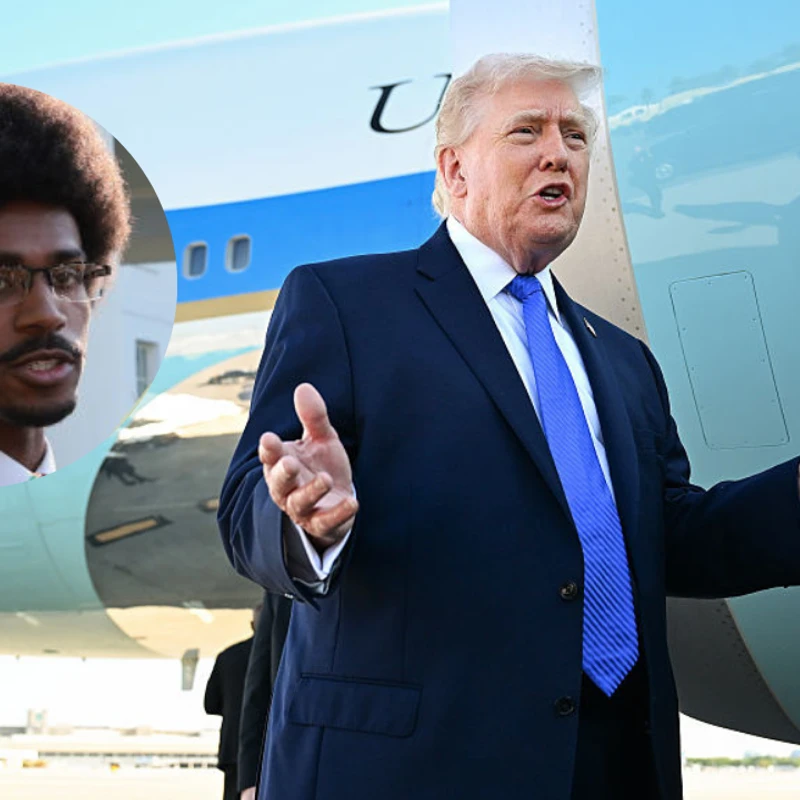
    As Donald Trump arrived in Memphis to highlight his administration’s public safety initiatives, including the deployment of the National Guard, local leaders vehemently rejected his presence. They argue that the president and his Memphis Safe Task Force are causing more harm than good to the city’s Black and Brown residents, despite the stated goal of enhancing safety.

    A Vehement Rejection of Trump’s Visit

    Tennessee State Representative Justin J. Pearson did not hold back, telling theGrio, “He isn’t welcome here because he is a racist, xenophobe who has spewed hatred and hurt our communities more than he has helped them.” Pearson views Trump’s actions in Memphis, including the deployment of military personnel, as part of an “authoritarian playbook” targeting Democratic-led and Black-led cities.

    Pearson, who is running for U.S. Congress, joined hundreds of protesters at a “Dump Trump” rally. He criticized the six-month task force for allegedly leading to racial profiling of Black and Latino residents and exacerbating the strain on the jail system, with hundreds of children reportedly missing school due to fear.

    Questioning the Effectiveness of Federal Intervention

    While the Trump administration claims success, citing reductions in crime rates, Memphis native and State House candidate Kyler Gilkey argues that crime was already declining before federal intervention. “In reality, when our mayor, Paul Young, took office, in roughly a year, we had already seen crime drop down… this administration is going to come in and kind of take credit for the work that was already being done,” Gilkey stated.

    Gilkey also expressed concern about the message sent by deploying the National Guard to a majority-minority city, suggesting it implies a lack of faith in local leadership. He pointed to the historical context of the National Guard’s deployment in Memphis, noting it hadn’t occurred since the assassination of Dr. Martin Luther King Jr. in 1968.

    Focus on Root Causes vs. Military Presence

    Memphis leaders advocate for investing in proven local programs that address the root causes of crime, such as poverty eradication, community housing, healthcare access, and education. Rep. Pearson criticized the administration’s budget proposals, highlighting cuts to gun violence prevention grants while deploying military troops. “We want poverty eradication, not military occupation,” Pearson declared.

    Concerns about racial profiling persist, especially following a Supreme Court ruling that seemingly permits nationwide racial profiling by ICE. Pearson noted that pretextual traffic stops disproportionately affect Black, African-American, and Latino individuals, with statistics showing 94% of those stopped are people of color. Gilkey shared a personal account of his brother being pulled over “essentially for no reason at all.”

    As the duration of the increased military and federal agent presence remains unclear, Memphis leaders are focused on the aftermath. Rep. Pearson emphasized the trauma and repercussions left behind when such forces eventually depart, stating, “Our communities are left with trauma, with pain, with the repercussions of actions that we did not ask for.”

    What are your thoughts on the federal intervention in Memphis? Do you believe it’s helping or harming the community? Share your perspective in the comments below!

  • Pearson Blasts Trump’s Memphis ‘Occupation’

    Tennessee State Rep. Justin J. Pearson is speaking out forcefully against the Trump administration’s federal surge in Memphis, arguing that the increased presence of federal agents and the National Guard is actually harming the majority-Black city rather than making it safer.

    The criticism comes after U.S. Attorney General Pam Bondi visited Memphis to highlight the perceived successes of the Trump-created Memphis Safe Task Force. Bondi claimed that the surge had dramatically dropped crime, citing statistics like a 48% decrease in murder and a 45% drop in overall crime, attributing these figures to the deployment of Homeland Security officers, ICE agents, and National Guard troops.

    Pearson’s Counterarguments

    Pearson, who is also running for Congress, strongly disagrees with the administration’s narrative. He contends that the task force’s impact is being inflated with “unverifiable records” and that the federal intervention is counterproductive, especially given the lack of federal investment in programs aimed at reducing community violence.

    He argues that the focus on law enforcement presence distracts from the real issues. “They are using unverifiable records to inflate their impact while we are still suffering with the lack of federal investment that could reduce poverty, provide housing, ensure healthcare, and improve education for our students,” Pearson stated. He added that the presence of federal agents has negatively impacted tourism and local businesses, particularly those owned by African American and Hispanic individuals.

    Community Impact and Long-Term Solutions

    While official data from the Associated Press shows a rise in homicides and aggravated assaults between 2018 and 2024, crime rates were reportedly down in the months before the task force was established. Pearson points out that the current federal efforts lack a sustainable long-term plan and come at the expense of community cohesion.

    He highlighted instances where families have been separated by ICE, residents traumatized by officers at the wrong addresses, and students missing school due to fear. Pearson emphasized the need for federal policies that genuinely help cities, not harm them, calling for “actionable plans, not performative press conferences” and advocating for the funds used for this “occupation” to be redirected towards poverty eradication.

    Cooperation vs. Criticism

    Unlike in cities like Chicago, Portland, and Los Angeles, where federal deployments faced strong resistance from local leaders, Tennessee Gov. Bill Lee and Memphis Mayor Paul Young have cooperated with the federal operation. However, Pearson argues that this cooperation hasn’t translated into a sustainable plan for safety or community well-being.

    His critique underscores a broader debate about the effectiveness of federal crime-fighting strategies versus community-based solutions and investments in social programs. Pearson’s call for prioritizing poverty eradication and community support highlights a different vision for addressing the root causes of crime.

    What are your thoughts on Rep. Pearson’s criticism of the federal intervention in Memphis? Do you believe this approach is helping or hurting the city? Share your views in the comments below!