Tag: Journalism

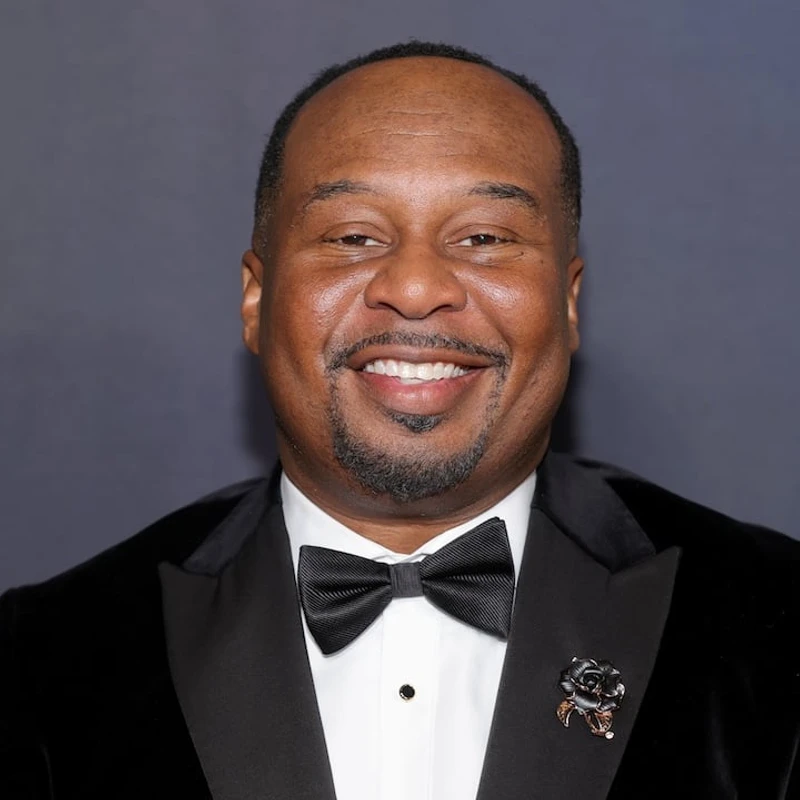
  • Roy Wood Jr. on Journalism & Taking Leaps of Faith

    Roy Wood Jr. is a name synonymous with sharp wit and insightful commentary, whether he’s on stage, hosting awards, or delivering laughs on shows like ‘The Daily Show.’ But when it comes to diving headfirst into serious journalism, the comedian has some reservations. He recently opened up about why he’s hesitant to fully embrace the world of investigative reporting, even though many see his potential.

    The Comedy-Journalism Parallel

    Wood Jr. notes a fascinating parallel between modern comedy and journalism today. He sees more creators, like himself, striking out independently through platforms like YouTube, moving away from traditional formats. This shift mirrors the evolving media landscape where individual voices can gain significant traction.

    In a chat with CBS News’ Jericka Duncan for her “I Am That Reporter” podcast, Wood Jr. even joked about potentially being colleagues, given the ongoing media mergers. However, when the conversation turned to him pursuing journalism himself, he explained his hesitation.

    Why the Hesitation?

    The core of Wood Jr.’s reluctance stems from his comedic default. “I don’t know how to approach it,” he admitted. His fear is that if he’s not actively trying to be funny, he’ll feel like he’s failing or not connecting with the audience. “If I’m not trying to be funny, I feel like I’m bombing or I’m sucking or this isn’t good, this isn’t connecting and so I don’t want to.”

    He worries that transitioning into serious, investigative journalism would mean losing that comedic persona. “My fear is that journalism, proper investigative, what you’re talking about, is the other extreme where you don’t see me as funny, you see me as oh, ‘Roy turned into serious journalism man.’” It’s a delicate balance between his established comedic identity and the gravitas required for in-depth reporting.

    The Leap After ‘The Daily Show’

    Wood Jr. has been quite open about his departure from ‘The Daily Show’ in 2023. For years, many fans saw him as a natural successor to Trevor Noah. However, Comedy Central ultimately brought back Jon Stewart for Monday shows, with a rotating cast of hosts for the rest of the week.

    The writer’s strike in 2023 proved to be a pivotal moment. “If the writer’s strike never happens, I stay,” he revealed. The strike prompted him to consider his future and bet on himself. It was this moment of uncertainty that pushed him to figure out his next steps outside the familiar structure of the show.

    Embracing the Jump

    This decision to leave ‘The Daily Show’ taught Wood Jr. a crucial lesson about prioritizing his own interests. His exit paved the way for a new chapter, including hosting ‘Have I Got News For You,’ which is set to premiere its fifth season in September. This experience solidified his belief in taking bold steps.

    Sometimes you have to make the jump and then the solution presents itself. I don’t think you get the safety of keeping one foot on first and then transition. — Roy Wood Jr.

    His journey highlights the power of taking leaps of faith, trusting that opportunities will arise once you commit to a new path. It’s a testament to his growth and willingness to embrace the unknown.

    What do you think about Roy Wood Jr.’s perspective on journalism and comedy? Share your thoughts in the comments below!
  • Content Creators vs. Journalists: The Real Debate

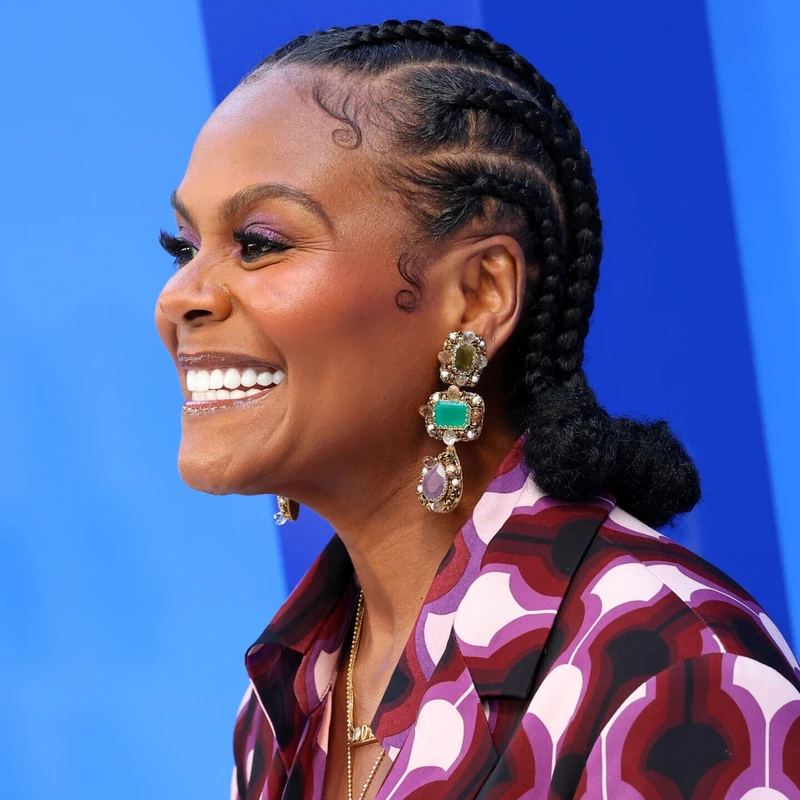
    The lines between content creation and traditional journalism are becoming increasingly blurred, and the resulting debate is heating up. Following influencer Jake Shane’s widely criticized interviews at the Vanity Fair Oscars After Party, many are questioning the influx of content creators into traditional media spaces. This discussion gained significant traction when Tabitha Brown defended her fellow creators, sparking nuanced responses from both sides.

    Creators Defend Their Space

    Tabitha Brown took to Threads to express her support for content creators, stating, “Anybody can make content!” She emphasized that success in content creation doesn’t diminish one’s belonging in elevated spaces, celebrating creators who are “shaking up the world.” Her defense, however, also drew criticism, with some feeling she downplayed the value of traditional journalistic training.

    Comedian Franchesca Ramsey echoed the sentiment of opening doors, acknowledging her own career path benefited from traditional media taking a chance on creators. However, she also noted a concern: “I’ve seen too many influencers on red carpets who clearly aren’t prepared & unfortunately those are the clips that often go viral & perpetuate the idea that creators are undeserving.” She believes outlets should ensure creators are ready for these opportunities.

    Journalists’ Concerns: Job Loss and Eroding Standards

    For career journalists, the frustration runs deep. Jemele Hill, an Emmy-winning sports journalist, acknowledged the creativity of many content creators but highlighted the impact on seasoned Black entertainment journalists who are losing red carpet opportunities due to outlets prioritizing follower counts over journalistic ability. This shift comes at a time when the media industry is facing significant job cuts, with thousands laid off in 2025 alone, including a substantial portion of The Washington Post’s newsroom.

    The core issue for many reporters is not just job security but the erosion of clarity around what journalism truly entails. Journalism’s role is to serve the public, verify information, provide context, and challenge power—tasks that require specific training, ethics, and accountability. Content creation, while valuable for reflecting culture and entertainment, often prioritizes personal branding and speed over depth and accuracy.

    The Value of Different Roles

    The debate isn’t about whether creators have value; many, especially Black creators, possess significant entertainment and reporting skills honed through formal education and self-teaching. They’ve had to forge their own paths in an industry with shrinking entry points. As food influencer Tim Chin noted, “Some of our stories getting to our dreams may be unconventional… but this is our way, it’s a new social tech world….And this is a NEW WAY.”

    Platforms like TikTok and Tubi are increasingly validating this creator-driven path. However, the fundamental issue, as highlighted by La’Janeé a.k.a. The Docket Diva, is the “confusion of standards.” She argues that conflating journalism with content creation diminishes a craft vital for public protection and information, stating, “You can celebrate creators without pretending the standards don’t matter. They do.”

    The Path Forward: Standards and Truth

    Legacy media outlets play a role in this blurring by handing significant cultural moments to personalities who may lack the necessary journalistic discipline. This prioritizes personality and speed over quality and expertise, potentially weakening journalism in the long run. While there’s room for both journalists and creators, coexistence requires clear standards for informing the public. In an era of rapid misinformation, maintaining the integrity and truthfulness of journalism is paramount.

    What are your thoughts on the creator vs. journalist debate? Do you think the lines are becoming too blurred? Share your perspective in the comments below!

  • Judge Rules Milagro Gramz Not a Journalist

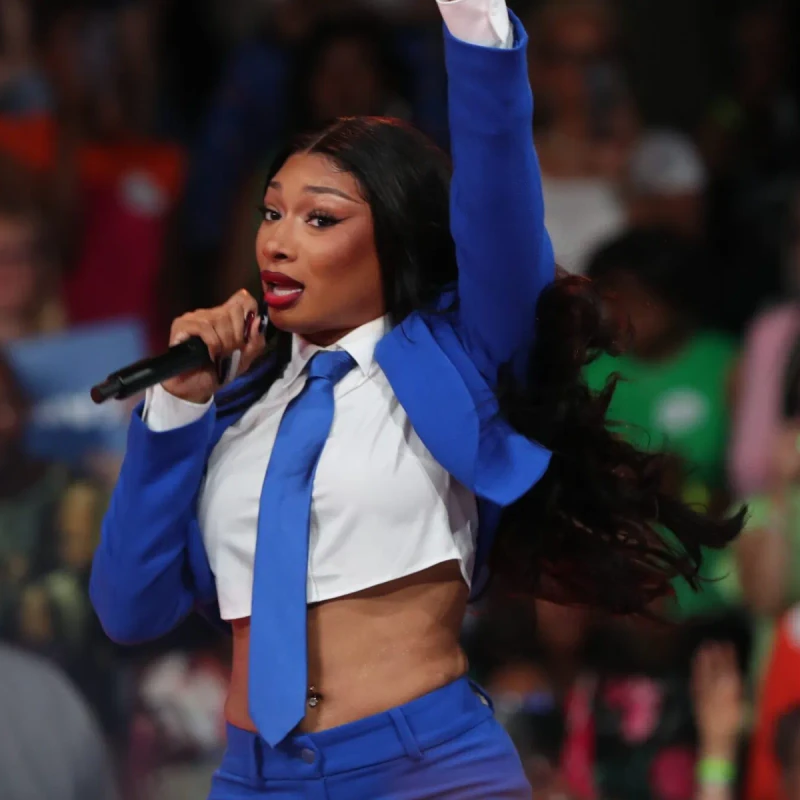
    The defamation case filed by Megan Thee Stallion against blogger Milagro Gramz is heating up, and a recent court ruling has dealt a significant blow to Gramz. In a move that could impact her defense, a judge has determined that Milagro Gramz is not a legitimate journalist, effectively stripping her of the protections typically afforded to reporters.

    Her Own Words Seal the Deal

    According to reports from The Neighborhood Talk, Megan Thee Stallion’s legal team filed new documents arguing that Gramz lacks any journalistic merit. The core of their argument is that Gramz should not be able to hide behind journalistic ethics because she doesn’t operate as a true journalist. The presiding judge agreed, using Gramz’s own past statements as evidence.

    The court resurfaced quotes from Gramz’s own livestreams, where she explicitly stated things like, ‘I did not tell anybody I was a reporter… I ain’t never told you I went to school for journalism… You don’t need to be a journalist to give an opinion.’ These candid admissions proved crucial in the judge’s decision.

    Lack of Journalistic Integrity

    Adding to her legal troubles, Gramz also reportedly admitted to having no knowledge of journalistic ethics or the standard processes involved in reporting. This further solidified the court’s stance that her content is not that of a professional journalist.

    Megan Thee Stallion’s legal team argues that this ruling clearly demonstrates Gramz was merely spreading opinions, potentially influenced by Tory Lanez and his father, Sonstar Peterson. The goal of this motion is to officially label Gramz as an inauthentic reporter, preventing her from using journalistic privilege as a shield.

    The Trial Looms

    This defamation case stems from statements made by Gramz concerning the 2020 shooting incident involving Tory Lanez. Megan Thee Stallion filed the lawsuit over a year ago, accusing Gramz of ‘churning out falsehoods’ and attacking her character with false narratives. She stated last year, ‘It’s unacceptable behavior and these individuals need to understand there will be repercussions for recklessly posting lies and defamatory falsehoods.’

    The trial for this high-profile defamation case is scheduled to begin on Monday, November 17, 2025. The outcome could set a significant precedent for how social media content creators are treated in legal proceedings, especially when they claim journalistic privilege.

    What are your thoughts on this ruling? Do you believe social media content creators should be held to the same standards as journalists? Share your opinions in the comments below!

  • Sean K. Campbell Joins Howard U. Journalism Center

    Howard University is stepping up its game in investigative journalism education! The esteemed institution announced that nationally recognized investigative reporter Sean K. Campbell is joining its Center for Journalism & Democracy as a Visiting Professor for the 2025-2026 academic year. This marks the second year of this vital program, founded by the incredible Nikole Hannah-Jones, aimed at expanding investigative journalism training for HBCU students.

    Building on a Legacy of Journalistic Excellence

    Howard University’s Cathy Hughes School of Communications has a long-standing reputation for nurturing Black journalists who go on to shape the media landscape. With Campbell’s arrival, students will gain invaluable access to his expertise in data-driven investigative reporting—a skill set that’s more crucial than ever in today’s complex media environment.

    The Center for Journalism & Democracy is committed to producing reporting that is both historically informed and driven by accountability. Campbell’s teaching and mentorship are set to significantly bolster this mission, equipping Howard students with the skills needed to uncover truths, hold powerful institutions accountable, and foster positive change within their communities.

    Impactful Courses and Wider Reach

    This fall, Campbell will be teaching two key courses. First, ‘Data-Driven Stories,’ which will guide students on how to transform raw data into compelling narratives. Second, ‘Truth Be Told,’ co-taught with journalist Erika Blount, where students will hone their fact-checking skills and produce reporting specifically relevant to Black communities. The fruits of their labor will be published on TruthBeTold.news, Howard’s own student-powered news platform.

    Campbell’s influence won’t be confined to Howard’s campus. In the spring, he’ll extend his teaching to Morgan State University, offering data journalism courses. This expansion is a key part of the Center’s broader mission to strengthen investigative journalism education across HBCUs nationwide.

    A Career Dedicated to Uncovering Truths

    Sean K. Campbell brings a wealth of experience to his role. His career has been marked by investigations into critical issues such as racism within Doctors Without Borders, the often-hidden toll of deaths in nursing homes, and the illegal flow of firearms. He also contributed a lead feature to New York Magazine’s award-winning “Ten Years Since Trayvon” issue.

    For Howard students, learning from a professor with such a distinguished investigative background means gaining not just the technical skills to find facts, but also the ability to craft resonant narratives that can shape national conversations.

    Strengthening the HBCU Investigative Journalism Consortium

    Campbell’s professorship also plays a vital role in Howard’s larger vision: building a robust network of HBCUs committed to investigative journalism. The Center for Journalism & Democracy collaborates with several institutions, including:

    • Florida A&M University
    • Morehouse College
    • Morgan State University
    • North Carolina A&T State University
    • North Carolina Central University
    • Savannah State University
    • Texas Southern University
    • University of the District of Columbia

    This consortium ensures that valuable investigative journalism resources and mentorship are accessible to HBCU students well beyond the walls of Howard University.

    Investing in the Future of Journalism

    Sean K. Campbell’s appointment signifies more than just adding another faculty member; it represents a significant investment in the next generation of truth-tellers. Students at Howard and its partner HBCUs will learn to ask tougher questions, analyze deeper patterns, and produce stories that challenge power structures and shift narratives.

    As Howard University continues its leadership in cultivating groundbreaking Black journalists, the addition of Professor Campbell ensures the university remains at the cutting edge of journalism education, while simultaneously uplifting and empowering HBCU students across the nation.

    What are your thoughts on the importance of investigative journalism training at HBCUs? How can programs like this empower future journalists? Share your insights in the comments below!

  • Omar Jimenez Joins CNN as Anchor

    Get ready to see a familiar face in a new role! Omar Jimenez, the incredibly talented and award-winning correspondent, has officially joined the CNN team as an anchor. This is a huge step for a journalist who has already made a significant impact.

    A New Chapter at CNN

    On September 10, 2025, the 31-year-old anchor shared the exciting news on Instagram, announcing his new position at the prominent news network. “I’m officially an anchor at CNN. Some exciting things in the works! The hustle continues,” he posted, accompanied by a striking black and white photo of himself.

    Jimenez brings nearly a decade of experience covering some of the most critical national and international stories. He’s a graduate of Northwestern University’s Medill School of Journalism and was previously based at CNN’s Chicago affiliate since 2019.

    Covering History-Making Events

    During his time in Chicago, Jimenez was instrumental in CNN’s coverage of major events. This includes the murder of George Floyd, the initial COVID-19 outbreak in the U.S., and the tragic death of Kobe Bryant. His reporting has consistently provided crucial insights during pivotal moments.

    He famously made headlines in 2020 while covering the George Floyd protests in Minneapolis. Jimenez and his crew were arrested live on air by the Minnesota State Patrol, a moment that underscored the intense and often dangerous nature of reporting on civil unrest. His impactful work on this story later earned him a National News & Documentary Emmy Award in 2021.

    Early Career and Recent Reporting

    Jimenez’s journey with CNN began earlier, in 2017, when he joined the Newsource affiliate in Washington, D.C. There, he covered significant breaking news both domestically and internationally, reporting from places like France and Mexico.

    Just days before his big CNN anchor announcement, Jimenez was on the ground in Chicago, reporting live from protests outside Trump Tower. He provided context on the demonstrations, which were related to troop deployment threats and heightened immigration enforcement concerns in the city.

    What do you think of Omar Jimenez joining CNN as an anchor? Let us know your thoughts in the comments below!

  • Trump’s Attacks on Black Female Journalists

    It’s a familiar pattern: President Donald Trump launching personal attacks on journalists, particularly Black female reporters. His recent outburst against Yamiche Alcindor of PBS NewsHour, calling her “second-rate,” is just the latest example in a history of targeting women of color who dare to ask tough questions.

    Escalation Over Chicago Comments

    The incident occurred as Alcindor questioned Trump about a jarring social media post where he seemed to threaten “war” in Chicago. Trump had renamed his Cabinet-level department for the U.S. Armed Forces to the “Department of WAR” and posted, “Chicago is going to learn why it’s called the Department of WAR.” This came after weeks of Trump criticizing crime in majority Black and brown cities and threatening to deploy the National Guard.

    When Alcindor pressed him for an explanation, Trump fired back, “When you say that, darling, that’s fake news.” When she persisted, asking why he’d use the Department of Defense, Trump retorted, “Listen. Be quiet. Listen. You don’t listen. You never listen. That’s why you’re second-rate.”

    A Pattern of Attacks

    This isn’t the first time Trump has clashed with Alcindor. In 2018, he dismissed her question about his use of the term “nationalist” and its connection to white supremacists as “racist.” In 2019, he called her “untruthful” regarding reports about his administration’s transparency. And in 2020, when she questioned his administration’s slow response to the COVID-19 pandemic, he called it a “nasty” and “snarky” question, urging her to “be nice.”

    Civil rights attorney Sherrilyn Ifill suggested Trump’s reaction stemmed from Alcindor hitting a nerve. “He screwed up and has been trying to walk it back. She embarrassed him by being an actual reporter and raising what he wanted to avoid. Coward!” Ifill wrote on social media.

    Targeting Black Female Journalists

    The attacks extend beyond Alcindor. Longtime White House reporter April Ryan was called a “loser” by Trump in 2018 and told she “doesn’t know what the hell she is doing.” He infamously asked her to “set up” a meeting with the Congressional Black Caucus in 2017. More recently, he criticized CNN’s Abby Phillip, calling her a “3rd rate” talent with “no idea what she is talking about” regarding tariffs.

    These repeated personal insults against Black female journalists have drawn condemnation from organizations like the National Association of Black Journalists (NABJ). NABJ President Errin Haines emphasized the importance of respecting journalists, stating, “When journalists show up to do their jobs, they should not be personally attacked and impounded by subjects they cover.”

    • Trump recently called reporter Yamiche Alcindor “second-rate” during a press scrum.
    • The exchange occurred after Alcindor questioned Trump’s use of the term “Department of WAR” regarding Chicago.
    • This incident is part of a pattern of Trump attacking Black female journalists.
    • Previous targets include April Ryan and Abby Phillip.
    • The NABJ has vowed to defend Black journalists and the freedom of the press.

    Defending the Press

    Haines affirmed NABJ’s commitment to supporting journalists like Alcindor, who was named their 2020 Journalist of the Year. “NABJ will continue to champion Black journalists… who show up every day with integrity, rigor, and clarity,” she stated. The association stresses that protecting the press is essential for protecting the people and upholding democracy.

    What are your thoughts on President Trump’s interactions with journalists, particularly Black female reporters? Share your perspective in the comments below!

  • Trymaine Lee: Covering Black Death, Surviving Heart Attack

    Trymaine Lee, a journalist known for his unflinching coverage of the Black experience in America, has always been on the front lines, reporting on stories of trauma and resilience. But what happens when the weight of those stories becomes too much to bear? Lee shares his own near-fatal brush with death and how it inspired his powerful new book, “A Thousand Ways to Die.”

    A Personal Health Crisis

    While working on his book, initially titled “Million Dollar Bullet,” Lee experienced a life-threatening heart attack at just 38 years old. A blood clot, a different kind of deadly force than the bullets he’d been reporting on, brought his life to a standstill. This personal health scare forced him to confront the profound impact of his career covering gun violence and its devastating effects on Black communities.

    Lee described the experience as a stark reminder that while blood clots and bullets are different, they can both shatter lives, often stemming from similar societal impulses. His survival, which he attributes to his family’s legacy of resilience, allowed him to complete his book with a renewed perspective.

    Inheriting a Legacy of Survival

    The book, now titled “A Thousand Ways to Die: The True Cost of Violence on Black Life in America,” delves into the stories of Lee’s own family members who were victims of gun violence, dating back to the Jim Crow South. He recounts the tragic deaths of a great uncle shot in a sundown town, another killed by a state trooper, his grandfather murdered by a renter, and his own stepbrother fatally shot. These personal narratives are woven together with journalistic rigor and deep compassion.

    Lee connects these individual tragedies to larger systemic failures, such as poverty, underfunded schools, and inadequate healthcare, which can push individuals towards the dangerous underground gun market. He argues that the “violence” extends beyond the gun itself, encompassing the lack of access to basic necessities and the chronic stress that disproportionately affects Black communities, leading to higher rates of cardiac issues and other health problems.

    A Public Health Perspective on Violence

    Lee emphasizes that “A Thousand Ways to Die” isn’t about prescribing solutions but rather illuminating the complex dynamics of violence as a public health crisis. He points to data suggesting that stricter gun laws correlate with lower rates of gun-related deaths, including homicides and suicides, while looser laws and more guns lead to higher fatalities.

    Ultimately, Lee wants readers to understand the profound cost of unchecked gun violence, particularly on Black lives. It’s not just about the loss of life, but the stifling of hopes, dreams, and imaginations within affected communities. His work serves as a vital call to acknowledge and address the systemic issues that fuel this ongoing crisis.

    What are your thoughts on Trymaine Lee’s perspective on gun violence as a public health issue? Share your insights in the comments below!

  • Joy-Ann Reid: From Cable News Pioneer to Media Powerhouse

    Joy-Ann Reid stands as a monumental figure in broadcast journalism, shattering barriers as the first Black woman to anchor a primetime cable news show. Beyond her historic primetime slot, Reid is a respected political commentator, journalist, host, and bestselling author, solidifying her status as a media powerhouse. Her diverse upbringing, influenced by her Congolese engineer father and Guyanese nutritionist mother, and her experiences living between Denver and Brooklyn, have shaped her insightful perspectives.

    A Trailblazing Career in Journalism

    Reid graduated from Harvard University in 1991 with a degree in film studies. Her early career began in local news at WSVN in Miami, where she later stepped away in 2003, driven by her convictions against the Iraq War. This period saw her launch a radio talk show, contribute to the Miami Herald, and serve as managing editor for TheGrio.com, establishing herself as a fearless political voice. Her credibility and compelling storytelling eventually led her to MSNBC in 2014, where she anchored “The Reid Report” and later hosted “AM Joy” from 2016 to 2020. In July 2020, she made history by anchoring “The ReidOut,” offering progressive commentary on breaking political stories.

    Her empathic charisma and consistent analytical approach have cultivated a loyal viewership, positioning her as one of cable news’s most influential voices. Reid’s journalistic resume is extensive, featuring career-defining interviews, unwavering political commentary, and executive production roles. Her reporting frequently addresses critical issues of race, justice, and gender. She is also the author of three political books: “Fracture,” “The Man Who Sold America,” and “Medgar & Myrlie.” Through her company, Image Lab Media Group, co-founded with her husband Jason Reid, she has executive-produced documentaries on civil rights and economic justice. Reid also shares her expertise by teaching courses on race, media, and gender at Syracuse University and Howard University.

    Business Ventures and Financial Success

    Beyond her media work, Reid has diversified her business endeavors. She has authored several bestselling political books with HarperCollins and explored new avenues of expression through executive producing TV specials focused on civil rights and economic justice. Speaking engagements and brand partnerships also contribute significantly to her income, establishing multiple revenue streams beyond her on-screen presence. As of 2025, her net worth is estimated at $4 million, reflecting her $1.5 million salary at MSNBC, book royalties, documentary production earnings, speaking fees, consulting work, and media partnerships. This financial success is a testament to her hard work and strategic diversification.

    The End of “The ReidOut” and Its Legacy

    Despite her influence, MSNBC canceled “The ReidOut” in February 2025 as part of a broader primetime shakeup. While the network cited low ratings (under 50,000 average viewers), critics suggest Reid’s outspoken progressive stance, support for younger Black voices, and her coverage of Trump as a Black woman may have contributed to the decision. The cancellation occurred amidst wider cuts affecting other non-white hosts.

    Personal Life and Educational Background

    Reid’s impressive resume includes graduating from Harvard University in 1991 with a Bachelor’s degree in film studies. She credits her experience at a predominantly white institution and funding her education herself as formative moments that shaped her worldview and career. She married Jason Reid in February 1997, and together they co-founded ImageLab Media Group. They reside in Brooklyn with their three children: daughter Winsome Reid and sons Jmar Reid and Miles Reid, successfully balancing demanding media careers with family life.

    Regarding her personal well-being, Reid has openly discussed her 20-pound weight loss, attributing it to dietary changes, consistent exercise, and sustained effort, while denying the use of Ozempic. Her journey reflects a commitment to health and self-care alongside her demanding professional life.

    What impact do you think Joy-Ann Reid has had on cable news and political commentary? Share your thoughts in the comments below!

  • Roland Martin: DEI Attacks Threaten Black Media

    Pioneering journalist Roland Martin is sounding the alarm: the ongoing attacks against Diversity, Equity, and Inclusion (DEI) initiatives pose a significant threat to the existence of Black-owned media. On the seventh anniversary of his digital streaming show, “Roland Martin Unfiltered,” the veteran journalist sat down with theGrio to discuss how these anti-DEI efforts are impacting Black journalists, newsrooms, and the communities they serve.

    The Power of Owning Your Narrative

    Martin, who also owns the Black Star Network, emphasizes the critical importance of controlling one’s own platform. Having spent years navigating mainstream television, he recalls frequent attempts by non-Black executives to censor his work or dictate which Black-focused stories were deemed newsworthy. This experience fueled his drive to build his own independent media infrastructure, complete with extensive content archives.

    “The greatest mistake of journalists — they don’t learn the business of the business. We get fixated on how it looks,” Martin told theGrio. He believes that true power lies off-camera, in the hands of those who own and operate the platforms, a lesson underscored by the departures of numerous high-profile personalities from traditional TV networks.

    Anti-DEI Efforts and Their Devastating Impact

    The current political climate, particularly the second Trump administration, has intensified challenges for journalists across the board, leading to layoffs and censorship. However, Martin argues that the silencing of Black-led newsrooms, which cover crucial issues beyond entertainment, represents the most significant threat to Black community empowerment. “Our people really don’t understand that we are this close to literally not having Black-owned media covering news and information,” he stated.

    Martin points out that the attacks on DEI have disproportionately affected Black media outlets, which already struggle for advertising dollars. Corporate entities, facing pressure from entities like the FCC under Trump’s directives, are increasingly hesitant to sponsor Black events or media, fearing regulatory repercussions. “Corporate America; they have weaponized it to the point where if you’re a telecommunications company, you gotta deal with Brendan Carter, FCC chair, following Trump saying, ‘I’m not gonna approve any acquisitions because you support DEI, because you sponsor Black events,’” Martin explained.

    A Call for Investment and Support

    Martin describes the current situation as a “massive effort to defund Black America,” targeting its civil rights infrastructure, economic base, academia, and health sectors. He believes this is a deliberate strategy of the MAGA movement that Black America must confront for at least the next three and a half years.

    Despite these daunting challenges, Martin remains encouraged by the loyalty and financial support from his viewers through initiatives like his “Bring The Funk” fan club. He stresses that for Black media outlets to continue providing quality, deeply reported information – the kind often missing from gossip blogs – investment is crucial. “Our people have got to understand that we are swinging and fighting… So our people have got to support,” he urged, emphasizing the dire consequences if Black-owned media ceases to exist.

    What are your thoughts on Roland Martin’s warning about the future of Black-owned media? How can we best support these vital news outlets? Share your ideas in the comments below!