Tag: Immigration Enforcement

  • States Act to Protect Immigrant Children from Foster Care

    In response to increasing immigration enforcement and potential mass deportations, several U.S. states are taking proactive steps to change their custody laws. The goal? To keep the children of detained immigrants out of the foster care system and with designated guardians.

    Addressing a Growing Concern

    With Immigration and Customs Enforcement (ICE) holding a significant number of individuals, and a projected increase in deportations, the potential for family separation is a major concern. Reports indicate that thousands of U.S. citizen children have parents who have been detained since President Trump began his second term. This situation creates a critical need for legal frameworks that protect these children.

    To address this, states like Maryland, New York, and Virginia, along with Washington D.C., have already amended their laws. These changes, some implemented during Trump’s first term, allow guardians to be granted parental rights specifically for immigration enforcement situations, aiming to keep families intact or at least provide a stable alternative to foster care.

    New Laws and Proposed Bills

    Other states are following suit. California and Nevada passed laws last year, such as California’s Family Preparedness Plan Act, which allows parents to designate guardians and share custodial rights. This ensures that parental rights aren’t automatically suspended during detention, and parents can regain full rights upon release.

    In New Jersey, lawmakers are considering a bill that would expand existing laws. Currently, parents can nominate temporary guardians in cases of death, incapacity, or debilitation. The proposed amendment would add separation due to federal immigration enforcement as a qualifying reason to nominate guardians.

    Protecting U.S. Citizen Children

    These legislative efforts are crucial, especially considering the large number of U.S. citizen children living with parents who lack legal immigration status. Data suggests millions of children fall into this category, with a significant portion having two undocumented parents. The aim is to provide a safety net that prioritizes the well-being of these children and avoids the complexities and potential trauma of entering the foster care system.

    As immigration policies evolve, these state-level adjustments represent a significant effort to mitigate the impact on families and ensure children remain in secure, designated care when parents are detained.

    What are your thoughts on these state-level efforts to protect children of detained immigrants? Do you think more states should adopt similar measures? Share your opinions in the comments below!

  • Trump’s Chicago Military Threat Divides Nation

    President Donald Trump’s strong stance on deploying military forces to Chicago has ignited a firestorm, creating a deep divide across America. Supporters hail his approach as decisive action against crime and immigration, while critics express grave concerns about authoritarian overreach and potential threats to constitutional governance.

    Inflammatory Rhetoric Sparks Sharp Reactions

    The controversy escalated dramatically after Trump shared an AI-generated image reminiscent of the movie ‘Apocalypse Now,’ complete with the chilling phrase, ‘I love the smell of deportations in the morning.’ This provocative messaging, coupled with his renaming of the Department of Defense to the ‘Department of War,’ has drawn starkly different interpretations.

    For his conservative base, this signals strong leadership willing to tackle urban crime and immigration issues head-on. However, for liberals and many others, it echoes dangerous authoritarian tendencies that could undermine democratic principles and constitutional limits on presidential power.

    Partisan Divide Over Federal Authority

    This debate cuts to the core of fundamental disagreements about federal authority, immigration enforcement, and the appropriate use of military resources domestically. Republican lawmakers and conservative commentators largely back Trump, arguing that Chicago’s crime rates and sanctuary city policies necessitate federal intervention.

    Conversely, Democratic politicians and progressive activists view these plans with alarm, seeing them as a dangerous precedent that erodes federalism and democratic norms. The conversation extends beyond politicians, involving military veterans, legal experts, and civil liberties advocates who are all grappling with the implications of using armed forces for domestic law enforcement.

    Constitutional Questions and Legal Challenges

    Legal challenges are adding another layer to this complex issue. A previous federal court ruling against Trump regarding the Posse Comitatus Act in Los Angeles has emboldened critics and raised questions about judicial oversight of executive actions. The core debate revolves around the balance between federal and local authority.

    Supporters argue the federal government must intervene when local officials fail to maintain order. Critics counter that such actions undermine the principle of local self-governance, a cornerstone of American democracy. This isn’t just about legal technicalities; it touches on broader questions of American identity, civil liberties, and national sovereignty.

    Community Reactions and Media Divisions

    The polarized national response mirrors divisions within communities themselves. Rural and suburban areas often view the intervention as overdue action against perceived urban dysfunction, while urban and diverse communities express fear about potential impacts on legal residents and immigrants. This anxiety spreads nationwide, demonstrating how local actions can have broad psychological effects.

    Media coverage has largely reflected and amplified these divisions. Conservative outlets highlight the need for federal intervention, while liberal publications focus on constitutional concerns and community fears. Social media platforms have become intense battlegrounds, further solidifying existing political alignments and contributing to a fragmented understanding of the situation.

    Long-Term Implications for Governance

    Trump’s Chicago plans are more than just a policy dispute; they represent a fundamental debate about the future of American governance and the role of federal power. The passionate reactions suggest these divisions will likely persist, influencing future elections and political strategies.

    Ultimately, this situation serves as a national test case, forcing Americans to confront competing visions for their country, law enforcement, and constitutional interpretation. The outcome and the ongoing debate will undoubtedly shape American politics for years to come.

    What are your thoughts on the potential deployment of military forces for immigration enforcement in American cities? Do you believe it’s a necessary measure or a dangerous overreach? Share your views in the comments below!

  • Noem Confirms ICE Expansion in 5 Major Cities

    Homeland Security Secretary Kristi Noem has confirmed that the Trump administration plans a significant expansion of Immigration and Customs Enforcement (ICE) operations across five major American cities. This announcement sets the stage for potential confrontations with Democratic local officials who are vowing to resist federal intervention, characterizing it as overreach.

    Chicago and Boston Targeted for Enhanced Operations

    During a ‘Face the Nation’ appearance, Noem confirmed that Chicago, a city with sanctuary policies and vocal opposition to increased federal involvement, will see enhanced ICE activities. She noted that while operations are ongoing, substantial additional resources will be deployed. Boston is also on the administration’s radar, with Noem not ruling out an increased federal presence, suggesting a strategy focused on major Democratic strongholds with significant immigrant populations.

    Washington D.C. as an Operational Blueprint

    The nation’s capital has already experienced a surge in federal law enforcement, with thousands of National Guard troops and ICE officers deployed. Federal officials cite this deployment in Washington D.C. as a template for potential operations in other cities, claiming it has improved public safety metrics. This serves as a justification for similar deployments elsewhere.

    Baltimore and Other Cities Under Consideration

    Baltimore has been specifically mentioned as another potential target for federal law enforcement surges. The administration’s approach appears to prioritize cities with Democratic leadership, high crime rates, or substantial immigrant populations, leading to criticism from Democratic officials who argue the selection process may be politically motivated.

    National Guard Deployment Remains Presidential Decision

    While confirming expanded ICE operations, Noem carefully avoided specific details regarding National Guard involvement in immigration raids, stating that such decisions rest solely with President Trump. This suggests that while ICE expansion is likely, the extent of military involvement in civilian law enforcement is still under deliberation.

    Intensified Democratic Resistance

    Chicago Mayor Brandon Johnson has already signed an executive order directing the city’s legal department to explore options for countering federal surges, warning of potential militarized federal activity within days. Illinois Governor JB Pritzker has joined over a dozen Democratic governors in condemning plans to deploy troops without state consent, calling it an “alarming abuse of presidential power.”

    Responding to accusations of political targeting, Noem asserted that city selections are based on public safety needs, not politics, and that operations are planned for both Democratic and Republican areas. However, the focus on Democratic cities fuels suspicions about underlying political motivations. The situation raises significant constitutional and political questions regarding federal authority versus local autonomy.

    What are your thoughts on the expanded ICE operations and the resistance from Democratic cities? Share your views in the comments below!

  • Border Patrol Arrests Firefighters Battling Wildfire

    In a shocking turn of events, two firefighters who were actively engaged in battling the massive Bear Gulch wildfire in Washington state were arrested by Border Patrol agents on Wednesday. The incident, which occurred around 9:30 a.m., has sent ripples of disbelief and anger through the firefighting community and the public alike, raising serious questions about immigration enforcement during critical emergency situations.

    Confrontation Amidst the Flames

    According to on-the-ground reports, federal agents from U.S. Customs and Border Protection approached two private contractor fire crews, demanding identification. These crews were part of the approximately 400 personnel deployed to contain Washington’s largest active wildfire. Photos that emerged from the scene clearly show a Border Patrol vehicle present as officers arrested one firefighter and restrained another, despite the ongoing efforts to combat the blaze.

    One firefighter on the scene expressed their dismay, stating, “You risked your life out here to save the community. This is how they treat us.” Sources indicate that the confrontation occurred while the crews were cutting wood near Lake Cushman. When federal agents demanded everyone line up and show ID, the situation escalated, reportedly preventing detained crew members from even saying goodbye to their families.

    Lack of Explanation and Disruption

    As of now, officials from Border Patrol, ICE, and Homeland Security have remained silent, offering no official explanation for the arrests. While fire team leadership claims the arrests did not directly impede the wildfire containment operation, the disruption caused by federal agents intervening mid-blaze is undeniable. The Bear Gulch fire, which has burned nearly 9,000 acres, was only 13% contained at the time of the incident.

    The fact that five out of the six hand crews involved were private contractors raises significant questions about the enforcement of immigration policies in disaster zones and whether specific groups were being targeted. The incident has been criticized as a “burn-it-all-down approach” to immigration issues, particularly given the critical nature of the firefighters’ work.

    This event highlights a concerning intersection of immigration policy and emergency response, prompting widespread debate about the appropriateness and impact of such actions during a natural disaster. The lack of transparency from federal agencies only adds to the public’s concern and calls for accountability.

    What are your thoughts on the Border Patrol’s actions during the Washington wildfire? Share your opinions in the comments below!

  • ICE Director’s School Promise Sparks Parent Fears

    As students in Washington D.C. prepare to return to school, Acting ICE Director Todd Lyons has issued a statement aimed at easing parent fears regarding immigration enforcement on campus. His message assures families, “Day one, you’re not going to see us,” but stops short of making long-term promises about keeping immigration officers away from schools entirely.

    Qualified Assurance Leaves Families Anxious

    In an interview with NBC News, Lyons attempted to reassure parents that immigration enforcement would not be present at schools on the first day back. However, he did not completely rule out future ICE presence on school grounds, citing “special circumstances.” These could include welfare checks on unaccompanied minors identified after crossing the southern border.

    Lyons also outlined scenarios where ICE might intervene on school grounds, such as reuniting unaccompanied minors with parents or responding to “exigent circumstances” like violent situations. This qualified assurance leaves significant uncertainty for families already anxious about increased immigration enforcement under the current administration.

    Community Fears and Educational Impact

    D.C. Mayor Muriel Bowser has noted that heightened ICE activity is already causing families to adjust their routines. This reflects broader concerns, especially after reports of enforcement actions near schools in other states, such as a recent incident in Los Angeles where a 15-year-old boy was handcuffed outside Arleta High School. Such events intensify fears among students and parents nationwide.

    Research from Stanford University highlights the educational impact of these fears. Studies show that during periods of heightened ICE activity, student absences increase significantly, particularly in regions with large immigrant populations. This directly affects academic progress and long-term opportunities for students.

    Policy Concerns and Rapid Enforcement Expansion

    A coalition representing 78 large school districts has expressed alarm over the rescission of ICE’s sensitive location policy, which previously limited enforcement actions near schools. The removal of this policy has contributed to increased student absenteeism and anxiety, forcing school administrators to balance safety with immigration enforcement realities.

    Behind these assurances lies a significant expansion of ICE operations. The agency plans to increase its deportation officers substantially, backed by a large Congressional budget allocation. A $40 million recruitment campaign, offering substantial signing bonuses, aims to attract thousands of new agents. ICE is also shortening training programs to expedite deployment, indicating an intensified overall enforcement pressure on immigrant communities.

    Navigating Uncertain Terrain

    For immigrant families in D.C., Lyons’ qualified assurance offers limited comfort. The lack of long-term guarantees about school safety creates ongoing anxiety, impacting decisions about sending children to class. This uncertainty affects not only undocumented families but also mixed-status households. The stress related to potential immigration enforcement impacts student mental health, academic performance, and the overall school climate, turning safe learning environments into sources of worry.

    What are your thoughts on ICE’s presence around schools? How can schools better support immigrant students and families amidst these policies? Share your views in the comments below!

  • Trump Joins D.C. Patrol Amid Checkpoint Crackdown

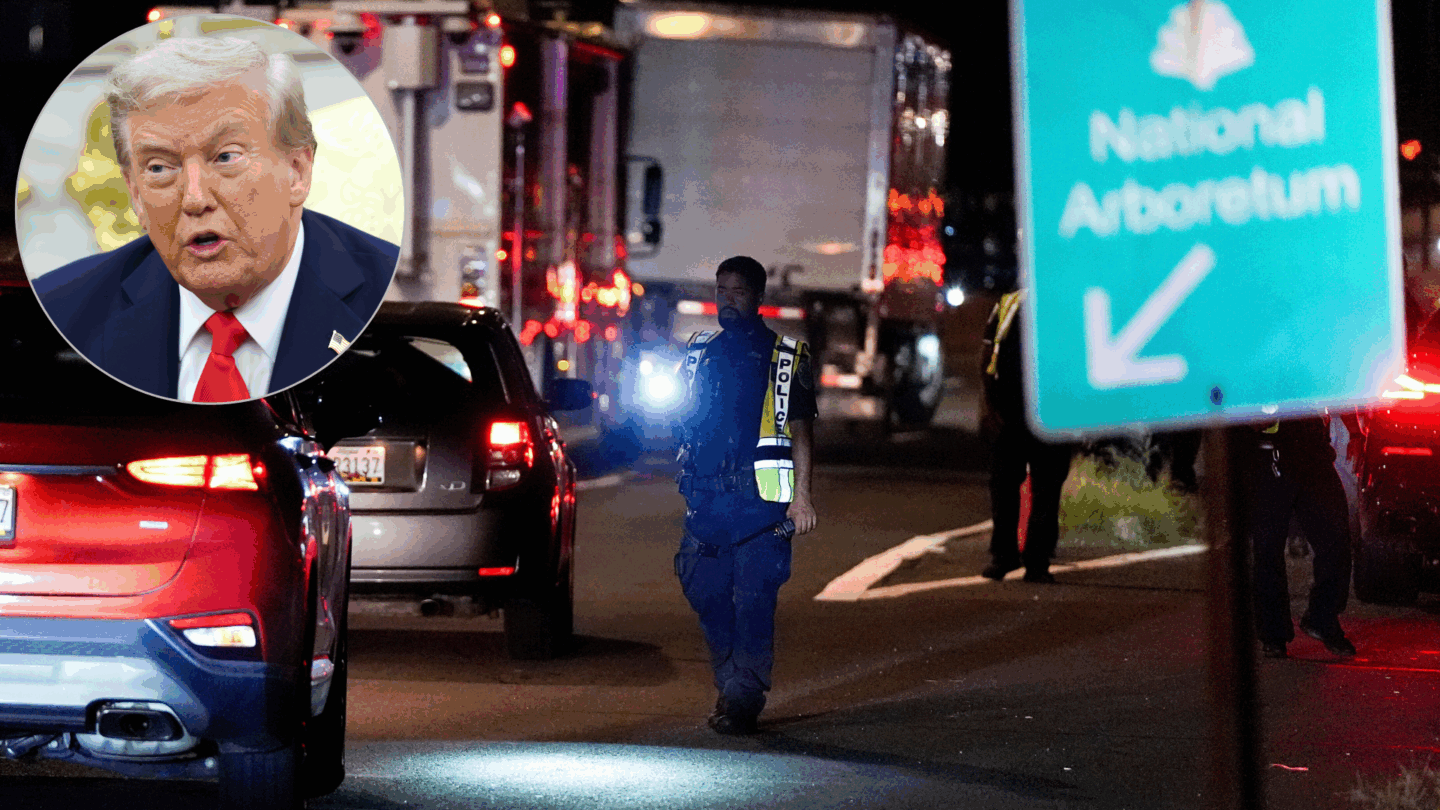
    President Donald Trump announced plans to join federal patrols in Washington D.C. this Thursday evening, marking a significant escalation in his administration’s controversial two-week crackdown. The deployment of federal agents and National Guard soldiers has led to the establishment of checkpoints throughout the city, raising concerns among residents and legal experts about immigration enforcement and civil liberties.

    Heightened Federal Presence and Resident Concerns

    Hundreds of federal agents and National Guard troops have been deployed to the capital, creating tense confrontations and leaving some residents on edge. Vice President JD Vance and Defense Secretary Pete Hegseth visited troops at Union Station to show support, while protestors chanted “free D.C.” Despite statistics indicating a decline in crime prior to Trump’s intervention, the immigration enforcement aspect of the crackdown has particularly unsettled neighborhoods. A local daycare experienced a partial closure due to staff fears about federal agents nearby, prompting administrators to advise parents to keep children home if possible. Other daycares have suspended outdoor activities due to concerns about encountering law enforcement.

    Since the surge of federal agents began on August 7th, the White House reports 630 arrests, including 251 individuals who are in the country illegally. Trump has intensified the pressure by reportedly seizing control of the D.C. police department and deploying additional National Guard troops, primarily from Republican-led states. While soldiers are largely concentrated in downtown areas like the National Mall and transit stations, federal agents are operating more broadly across the city.

    Legality and Constitutionality of Checkpoints

    D.C. Mayor Muriel Bowser acknowledged the increased frequency of traffic checkpoints, noting that the surge in federal officers allows for “different types of deployments, more frequent types of deployments, like checkpoints.” However, the legality and nature of these stops are being questioned. Martin Romero, a construction worker, described being stopped at what he initially thought was a normal traffic stop, only to find U.S. Park Police checking commercial vehicles, followed by U.S. Immigration and Customs Enforcement (ICE) agents inquiring about their origins and immigration status. Romero expressed nervousness, stating, “We just came here to work. We aren’t doing anything bad.” Two individuals in his truck were detained without explanation, and he witnessed others being taken from different vehicles.

    Legal experts weigh in on the constitutionality of such checkpoints. Jeffrey Bellin, a law professor specializing in criminal law, noted that while checkpoints for specific purposes like border control or DUI checks are upheld by the Supreme Court, they cannot be used as a “subterfuge” for general crime control. He expressed doubt that the authority to question drivers about immigration status at the border extends to Washington D.C. Anthony Michael Kreis, another law professor, suggested that the “arbitrary” and intrusive nature of these checkpoints in the capital could lead residents to feel aggrieved, fostering suspicion for valid reasons.

    This crackdown in D.C. mirrors similar enforcement actions seen in areas like Los Angeles, where immigration officers have maintained a visible presence at locations like Home Depots and car washes. The heightened enforcement has impacted daily routines, even leading a bishop in San Bernardino, California, to excuse parishioners from their weekly Mass obligation due to immigration agents detaining individuals on parish properties. While a federal judge previously blocked indiscriminate immigration stops in Southern California, authorities have indicated a continued commitment to enforcement.

    What are your thoughts on the use of checkpoints and increased federal presence in cities? Share your opinions in the comments below!