Tag: Global

  • Togo Pushes UN for Accurate Africa Map

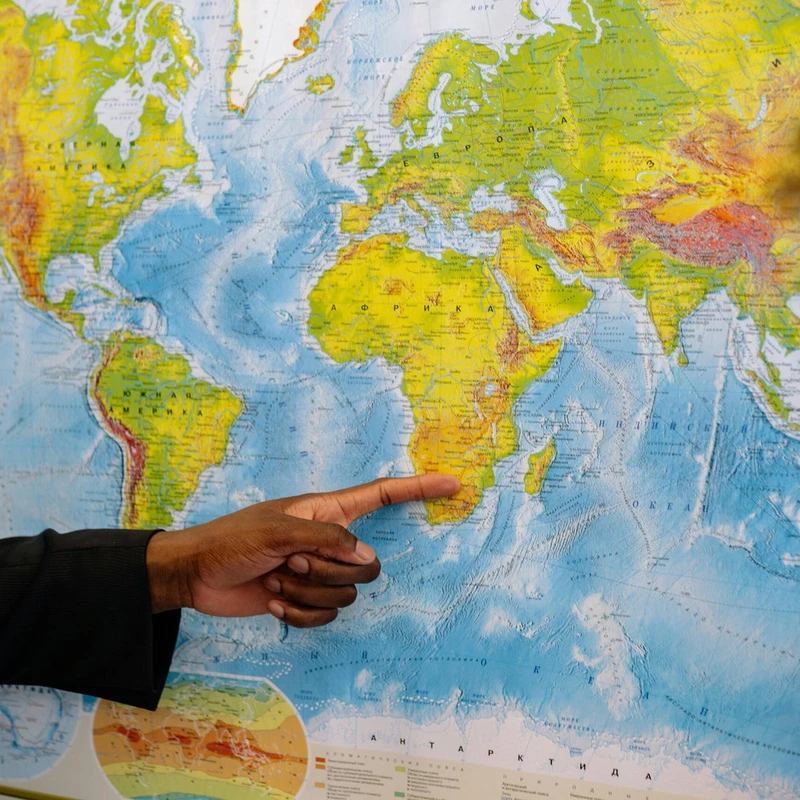
    Have you ever looked at a world map and felt like something was off about the size of Africa? You’re not alone. The West African nation of Togo is formally petitioning the United Nations to adopt world maps that accurately reflect the continent’s true land area, arguing that current projections are misleading and diminish Africa’s global significance.

    Challenging the Mercator Projection

    Togo’s Minister of Foreign Affairs, Robert Dussey, confirmed that a resolution will be presented for a vote at the UN General Assembly in September 2026. The initiative aims to steer international organizations, governments, and educational institutions away from the 16th-century Mercator projection. Instead, they are advocating for alternatives like the Equal Earth projection.

    Dussey emphasized that this isn’t just about preference; it’s about scientific accuracy. The current visual representation of the globe is geographically false, and it’s time for the international community to embrace scientific truth. This effort is part of a broader movement known as the “Correct the Map” campaign.

    The Psychological and Political Impact

    The distortions caused by maps like the Mercator projection are more than just academic errors; they have significant psychological and political consequences. Moky Makura, executive director of Africa No Filter, described the continued use of the Mercator map as a long-standing misinformation campaign that has marginalized Africa’s identity and shaped global perceptions in media, policy, and education.

    “Accurate representation is not just about maps — it is about agency, progress, and ensuring the world sees Africa as it truly is,” Makura stated. The African Union’s 55 member states have already adopted a resolution to stop using the Mercator projection within their own borders, tasking Togo with leading the charge for a global standard.

    Understanding the Distortion

    The Mercator projection, originally designed for nautical navigation in 1569, preserves the shapes of countries but drastically distorts their sizes, especially as they move farther from the equator. This results in regions like Greenland and North America appearing much larger than they are relative to Africa. For instance, Africa covers about 30 million square kilometers and is roughly 14 times the size of Greenland, yet they often look similar in size on standard maps.

    The upcoming UN vote is being viewed by African diplomats as a crucial test of the world’s commitment to equity and decolonization. The response to Togo’s proposal could reveal much about the true intentions of global powers regarding African representation on the world stage.

    What do you think about the push for more accurate world maps? Share your thoughts on Africa’s representation in the comments below!

  • Grace Ladoja Designs Historic Nike Air Max

    Grace Ladoja is making waves in the fashion world, shattering barriers and bringing African culture to the global stage. The founder of the Our Homecoming Festival has achieved a monumental feat, becoming the first African woman to design a sneaker for the iconic brand Nike. This collaboration is more than just a fashion statement; it’s a powerful cultural declaration.

    A Design Rooted in Heritage

    Ladoja’s design for the Air Max Plus, created under the Our Homecoming banner, is rich with symbolic meaning. It arrives in two distinct colorways: ‘Pan-African,’ featuring a classic black base accented with red, green, and white, and ‘African Sunrise,’ a vibrant orange gradient inspired by West African mornings. These choices are deliberate, grounding the sneaker in heritage and identity.

    Adding further depth, the sneakers feature detachable charms, including the Nigerian eagle and cowrie shell, alongside maps of Africa. These elements serve as constant reminders of the cultural roots that inspired the design, making each pair a wearable piece of art.

    A Personal Connection to the Air Max Plus

    The Air Max Plus holds a special place in Ladoja’s heart. She shared in an interview with Hypebae that she saved bus fare as a young person to buy this very silhouette, even walking to school for 60 days to afford it. “So it feels really special to have it be the first thing I’ve worked on with Nike,” she expressed, highlighting the deep personal significance of this collaboration.

    This design also beautifully communicates Ladoja’s dual British-Nigerian heritage. “That shoe is about being from two places at the same time, thinking about where home is,” she told Business of Fashion. While London is her home, the fabrication of the shoe, particularly the use of African sponge mesh and a waterproof toe inspired by Lagos, truly embodies Africa.

    Bridging Cultures Through Fashion

    Born in the UK to Nigerian parents, Ladoja has become a pivotal figure in shaping the global perception of African creativity. Through Our Homecoming, the Lagos-based festival she founded in 2018, she has created a vital platform for music, fashion, art, and sport, drawing talent and audiences from across the diaspora.

    This Nike collaboration extends that mission, translating the spirit of Homecoming into a globally accessible product. It signifies a broader industry trend where brands are moving beyond mere inspiration to genuine collaboration and even authorship with cultural creators, recognizing the power of authentic representation.

    • First African woman to design a Nike sneaker.
    • Collaboration under the ‘Our Homecoming’ banner.
    • Two colorways: ‘Pan-African’ and ‘African Sunrise’.
    • Features symbolic charms and African-inspired materials.
    • Deeply personal connection for designer Grace Ladoja.

    What do you think of Grace Ladoja’s historic Nike collaboration? How important is it to see African culture represented in global fashion? Share your thoughts in the comments below!

  • Swedish Exhibit Highlights Black Diarist Badin

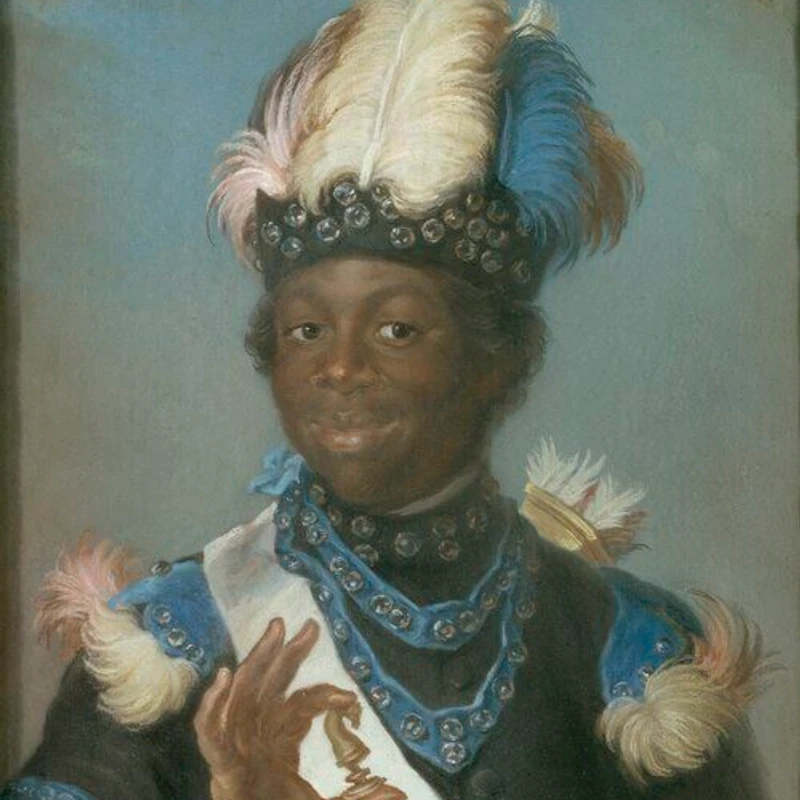
    A groundbreaking exhibition in Stockholm is set to shed new light on the life of Adolf Ludvig Gustav Fredrik Albrecht Couschi, more commonly known as Badin, an 18th-century Black diarist whose story has often been overlooked or misrepresented in Swedish history. The National Museum’s exhibit, titled ‘Badin – Beyond Surface and Mask,’ aims to reclaim his narrative by centering his own words and experiences.

    From Enslavement to Royal Court

    Badin arrived in Sweden around 1760, reportedly as a ‘gift’ to Queen Louisa Ulrika. He was given the name Badin, a French term meaning ‘joke’ or ‘prankster.’ Historical accounts suggest his life began in enslavement, moving through various European noble households before reaching Sweden. Despite this background, Badin rose through the ranks of civil society, holding titles such as chamberlain, court secretary, ballet master, and civil servant.

    While Badin has been a figure in Swedish history, previous depictions have often been superficial or marred by racist undertones. This new exhibition seeks to correct that by focusing on his own documented life through diary entries and an autobiography.

    Reclaiming a Narrative Through Art

    Artist Salad Hilowle, a fellow Black Swede, has created a commissioned film titled ‘Maroonen’ (The Marooned) to accompany Badin’s works in the exhibit. Hilowle’s film explores Badin’s experience as a Black man whose life was often defined by others’ perceptions. ‘The image of him is everywhere, but no one seems to hear or read his own voice,’ Hilowle explained, highlighting the exhibit’s goal to give Badin his own voice.

    The exhibition’s curator, Åsa Bharathi Larsson, noted Badin’s unique ‘in-between position’ at court—free but not part of the royal family, with his own background largely unknown. The name ‘Badin’ itself might suggest a persona adopted to navigate societal perceptions and perhaps evade being seen as a threat.

    A Unique Legacy

    Badin lived in Sweden during a time when Black individuals were exceptionally rare, with only about 20 officially recorded. His prominent role in the Royal court makes his legacy particularly unique, yet the precise details of his life were previously obscure. The Queen ensured his education, but the possibility remains that he adopted a persona to navigate the complexities of his position.

    By showcasing Badin’s own words and complementing them with Hilowle’s film, the exhibition aims to spark renewed interest in the authentic life of this famed Black Swede. For the first time, his story will be told primarily through his own voice, offering a powerful counter-narrative to historical depictions.

    What do you think about this exhibition bringing Badin’s story to light? Have you heard of him before? Share your thoughts in the comments below!

  • Eric Adams Granted Albanian Citizenship

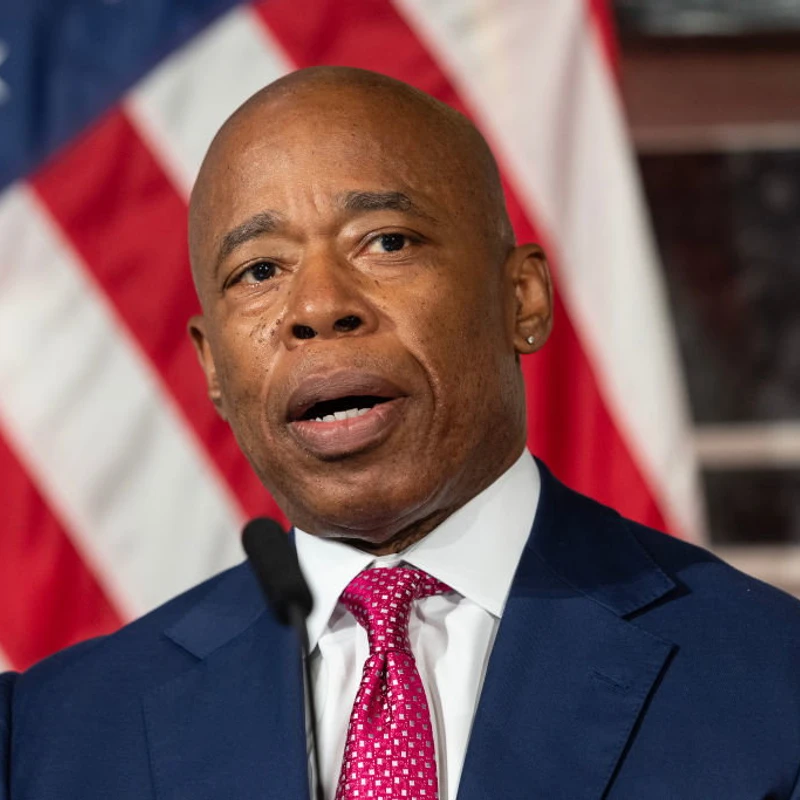
    Eric Adams, the former mayor of New York City, has officially been granted citizenship by Albania. This honorary status, approved by Albanian President Bajram Begaj on April 10 at Adams’ request, marks a significant development for the former mayor who has expressed interest in living abroad after his political career.

    Deepening International Ties

    A spokesperson for Adams confirmed the news, highlighting his longstanding relationship with Albanian communities and stating that the citizenship ‘further strengthens the bond between New York and Albania.’ Adams has often spoken about his global perspective and has made multiple international trips, including visits to Albania, which he described as opportunities to build relationships and learn from friends across the oceans.

    While Adams has openly discussed ambitions to live overseas after retiring from public office—previously mentioning Baku, Azerbaijan, and even the Israeli-occupied Golan Heights—his plans for utilizing his new Albanian citizenship remain unclear. This development, however, underscores his commitment to international engagement.

    A History of International Travel and Scrutiny

    Adams’ international travels have not been without scrutiny. During his tenure as mayor, trips to Turkey led to a federal investigation into allegations of improper travel benefits from foreign nationals. Although Adams denied wrongdoing and the case was eventually dismissed, it highlighted past controversies surrounding his international engagements.

    Even after leaving office, Adams has continued to travel extensively, with reported visits to Dubai, the Democratic Republic of Congo, and Albania, where parts of a visit were reportedly funded by the Albanian government. He has also indicated interest in pursuing business opportunities abroad.

    Exploring Life Beyond City Hall

    In addition to his international pursuits, Adams recently launched a cryptocurrency aimed at combating ‘antisemitism’ and ‘anti-Americanism,’ though it experienced a significant loss in value. As Adams explores life beyond his political career, his Albanian citizenship signifies a potential pivot towards a future with deeper international connections, possibly even residing outside the United States.

    What do you think about Eric Adams receiving Albanian citizenship? Where do you see him living post-politics? Share your thoughts in the comments below!

  • BAFTA Finds No Bias in N-Word Incident

    A controversial moment at the 2026 BAFTA Film Awards, where the N-word was inadvertently uttered on stage, has been investigated. An independent report has concluded that the incident stemmed from organizational shortcomings rather than any malicious intent or institutional bias.

    Report Highlights ‘Structural Weaknesses’

    Released over a month after the ceremony, the findings point to significant issues within BAFTA’s planning, crisis coordination, and escalation procedures. The report emphasizes that there was no evidence of “malicious intent” or “institutional racism” behind the on-stage disruption.

    The incident occurred on February 22nd during the broadcast when Tourette syndrome advocate John Davidson involuntarily exclaimed the racial slur while actors Michael B. Jordan and Delroy Lindo were presenting. This moment quickly overshadowed the awards, drawing criticism from many viewers and attendees.

    BAFTA’s Response and Apology

    BAFTA’s board acknowledged that the organization did not meet its responsibilities during the event. They stated, “The review is clear that while this was not a failure of intent, BAFTA’s planning and processes have not kept pace with its diversity and inclusion goals.” The organization admitted it failed to adequately prepare for such an incident in a live broadcast environment, leading to a lapse in its “duty of care.”

    A sincere apology was issued to Black audiences for the pain and trauma caused by the racist language, as well as to individuals with Tourette syndrome who may have faced unfair judgment. BAFTA recognized that the celebratory nature of the event was diminished.

    Moving Forward with Reforms

    In response to the review, BAFTA is implementing several improvements. These include enhancing communication protocols, refining escalation systems, and adopting a more robust approach to accessibility and inclusion. The goal is to better anticipate risks and ensure the experiences of all participants are considered during live events.

    The independent review, conducted by RISE Associates, described the situation as a complex intersection of disability, live broadcast risks, and the historical context of language. While not finding deliberate wrongdoing, the report stressed that early warning signs were missed and leadership lacked clarity in responding effectively.

    The BBC also conducted its own review, acknowledging a breach of editorial standards but stating the error was unintentional due to confusion among editors. Ultimately, BAFTA’s report concluded that outdated systems, not systemic bias, were the root cause, suggesting that labeling the event as institutional racism would be inaccurate.

    What are your thoughts on BAFTA’s findings and their planned reforms? Share your views in the comments below.

  • Peter Brooks: Bridging Black Culture and Global Business

    Imagine turning the vibrant energy of Black culture into a powerful engine for global commerce. That’s exactly what Brooklyn entrepreneur Peter Brooks is doing! He’s building bridges between U.S. brands and exciting, rapidly growing markets in Africa and the Middle East, proving that cultural influence is a major economic force.

    From Brooklyn Roots to Global Reach

    Brooks, the visionary behind 28th & Foster, has created a unique cross-continental marketing firm. His agency is all about connecting American talent, major corporations, and investors with emerging economies. It’s a smart strategy that leverages the significant influence of the Black diaspora.

    His work has already facilitated high-profile international collaborations, from bringing celebrities to African nations to forging partnerships in entertainment and even medical tourism. Brooks firmly believes that the power within the Black community is often underestimated on a global scale.

    “I think we undermine our celebrities, our influencers, and our practitioners within the Black community; we don’t realize how much value we hold,” Brooks shared in a recent BET interview. — Peter Brooks

    An Unconventional Path to Success

    Interestingly, Brooks’ journey wasn’t a straight line. He was initially pursuing a doctorate in biomedical engineering! A pivotal moment came during a visit to Facebook’s offices, which sparked a realization: he was meant for the world of marketing.

    With incredible determination, he taught himself the necessary marketing skills, spending an entire summer mastering everything on a job description that caught his eye. This self-driven pivot led him to high-level work with both corporations and governments, even interacting with presidents.

    Before fully launching his own firm, Brooks honed his skills further as a growth executive at Paramount. His international endeavors have included collaborating with government leaders, like Yoweri Museveni, on business development and diaspora engagement initiatives.

    Leveraging Influence for Economic Growth

    Brooks emphasizes that celebrities and influencers are often the key to unlocking broader economic opportunities. “They have access to spaces most people don’t have access to,” he explained, noting how artists and public figures can create crucial entry points for investment and collaboration.

    As economic landscapes shift, Brooks sees immense potential in the expanding markets of Africa. His company, along with a dedicated global team, focuses on merging compelling storytelling, strategic influence, and smart execution to drive real impact.

    Advice for Aspiring Entrepreneurs

    For those dreaming of starting their own venture, Brooks offers simple yet powerful advice: “Take the leap… Stay open, meet people, add value.” His own remarkable journey highlights a significant trend: cultural capital is increasingly becoming a cornerstone of future global business.

    What do you think about Peter Brooks’ innovative approach to global business? Share your thoughts on how Black culture is shaping international markets in the comments below!

  • Moroccan Businesses Shine in Forbes MENA Rankings

    Get ready to celebrate some major wins for African business! Forbes Middle East has released its annual ranking of the 100 Most Valuable Companies in the Middle East and North Africa (MENA), and Morocco is making a significant splash. Nine companies from the North African nation have earned a spot on this prestigious list, traditionally dominated by corporations from Arab countries.

    Africa’s Rising Prominence

    This inclusion of Moroccan businesses is more than just a statistic; it’s a clear signal of Africa’s growing influence and prominence in the global marketplace. While the United Arab Emirates, Saudi Arabia, and Qatar still hold the top spots in terms of company representation, Morocco’s strong showing marks a notable upward trend for African-based enterprises across various sectors.

    The Forbes Middle East ranking is based on market capitalization data, and Morocco secured the fourth-highest number of companies on the list. This achievement underscores the robust economic activity and the increasing competitiveness of African businesses on an international scale.

    Key Moroccan Players

    Leading the charge for Morocco was Attijariwafa Bank, which landed at No. 33 on the list. With an impressive market capitalization of $17.4 billion and a vast network of over 7,200 branches across 27 countries, the bank’s financial strength and extensive reach were key factors in its high placement. Its billion-dollar revenue and $82.2 billion in total assets certainly helped drive its success.

    • Attijariwafa Bank (No. 33)
    • Maroc Telecom
    • Managem Group
    • BANK OF AFRICA
    • Marsa Maroc

    But it wasn’t just the banking sector making waves. Morocco’s telecommunications giant, Maroc Telecom, also contributed significantly with over $10 billion in revenue and more than 80 million customers. Other notable Moroccan companies making the cut include the mining group Managem Group, financial institution BANK OF AFRICA, and port operator Marsa Maroc, alongside firms in construction and energy production.

    Building a Competitive Future

    The strong presence of these diverse Moroccan businesses on the Forbes list is a testament to their expanding influence in multinational industries. Morocco is proving that African corporations are not only competing but are actively building the infrastructure needed to stand shoulder-to-shoulder with global business leaders.

    What do you think about the growing influence of African businesses in global rankings? Share your thoughts in the comments below!

  • Belgian Diplomat Faces Trial for Lumumba Assassination

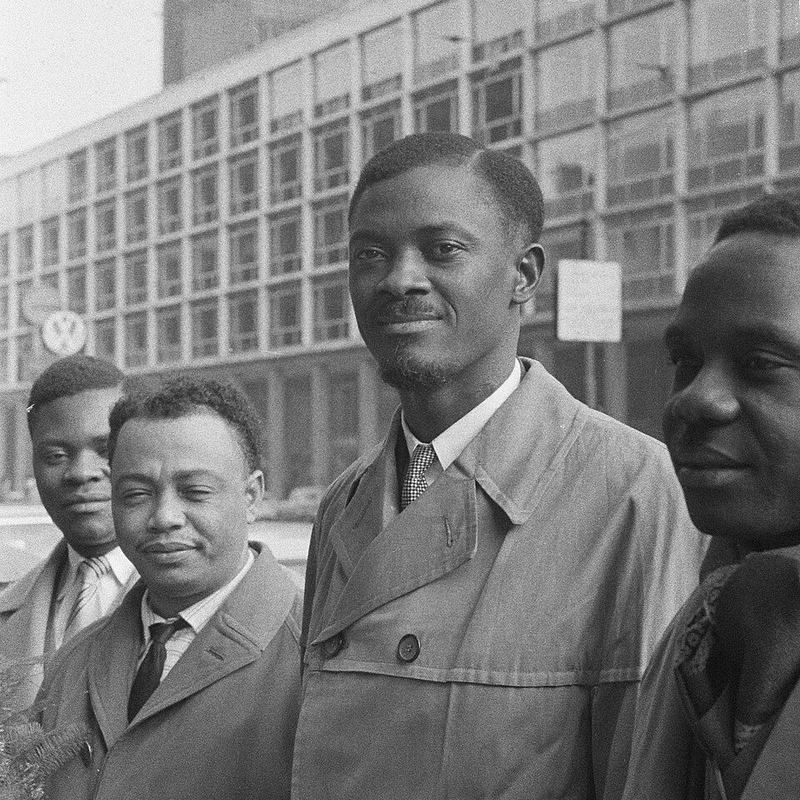
    In a landmark decision that could bring a measure of justice for a decades-old tragedy, a Brussels court has ordered a trial for a 93-year-old former Belgian diplomat. Etienne Davignon is accused of playing a role in the brutal 1961 assassination of Patrice Lumumba, the first democratically elected Prime Minister of the Congo.

    A Historic Pivot Towards Accountability

    The assassination of Lumumba, an anti-colonial icon, has long been a painful chapter in the history of the Democratic Republic of Congo. Now, over sixty years later, the Belgian judiciary is moving towards criminal accountability. Davignon, who later held significant positions as a European Commissioner, was a junior diplomat at the time of Lumumba’s death.

    Prosecutors allege that Davignon was actively involved in the unlawful detention and transfer of Lumumba to the secessionist region of Katanga. It was there, in January 1961, that Lumumba and two associates were executed by a firing squad, reportedly aided by Belgian mercenaries. This occurred just six months after Lumumba’s powerful Independence Day speech, where he envisioned a free and prosperous Congo.

    Allegations of Degrading Treatment and a Systemic Cover-Up

    The Lumumba family’s legal team claims Davignon’s involvement included “humiliating and degrading treatment” of the prime minister, stripping him of any chance for a fair trial. The meticulous nature of the crime extended even further; reports suggest that after the execution, bodies were disinterred and dissolved in acid. For years, Belgium has cited a 2002 parliamentary commission’s finding of “moral responsibility” as a substitute for criminal prosecution.

    However, this trial represents a significant shift, aiming to translate abstract morality into tangible judicial consequences. As the sole surviving suspect from the original 2011 complaint, Davignon’s trial offers a final opportunity for the Brussels court to adjudicate the actions of the colonial administration.

    Challenging Impunity and Seeking Truth

    The defense has historically argued that lower-ranking officials were simply following orders amidst the Cold War’s geopolitical pressures. Yet, Christophe Marchand, the Lumumba family’s attorney, hailed the case as a “gigantic victory” against the “culture of impunity” surrounding European colonial crimes. Evidence from Belgian archives, including “Blueprints for Intervention,” suggests a coordinated effort to neutralize Lumumba’s pan-Africanist agenda.

    The physical evidence of the crime, a single gold-capped tooth kept as a trophy by a Belgian officer, was only repatriated to the DRC in 2022. While Belgian Prime Minister Alexander De Croo reiterated the state’s apology during that ceremony, the Lumumba family seeks more than apologies; they desire “truth and to establish different responsibilities,” as stated by Lumumba’s granddaughter, Yema Lumumba.

    What does this trial signify for holding colonial powers accountable for past actions? Share your thoughts in the comments below.

  • Idris and Sabrina Elba Invest in Sierra Leone Eco-City Project

    Idris Elba and Sabrina Elba are expanding their philanthropic endeavors with a significant investment in Sherbro Island, Sierra Leone. Their new project aims to foster ecological sustainability and economic growth, with the hope that it will serve as a model for development initiatives across the African continent.

    A Vision for Sustainable Development

    Sabrina Elba, whose mother is from Somalia, has expressed a deep passion for challenging negative stereotypes associated with Africa, experiences she encountered growing up in Canada. “We wanted to see Africa represented the way that we knew it to be,” she stated. “We wanted to change the storytelling.”

    Idris Elba, who grew up in London, was first inspired to visit Sherbro Island years ago by a family friend who recognized its potential as a world-class holiday destination. His pivotal realization came during a 2019 trip to Sierra Leone, where he and Sabrina served as ambassadors for the International Fund for Agricultural Development (IFAD). This experience shifted their focus from creating a luxury getaway to building something more lasting and meaningful, aiming to transition “from one of aid to one of investment.”

    The Elba Hope Foundation and Eco-City Initiative

    Building on Idris Elba’s existing philanthropic work, which includes supporting education and hunger relief in Africa and advocating for at-risk youth in the U.K., the couple launched the Elba Hope Foundation. This foundation unifies their initiatives, including programs focused on empowering small-scale farmers in Sierra Leone through sustainable farming, cooperative development, and access to credit for cocoa and cashew farmers. Executive director Marsha Reid highlighted the need for “time and training and education and investment” in these efforts.

    The Elbas’ work on Sherbro Island has expanded to include the Hope Power Project, a three-year initiative designed to electrify and wirelessly connect the island. They envision this as a foundation for future green development, ultimately transforming Sherbro Island into a self-sustaining, renewable-powered “eco-city.” Idris Elba expressed his hope that Sherbro can serve as a blueprint for future development, questioning whether we should “continue throwing concrete… or build structures and cities that actually nourish our world.”

    • Idris and Sabrina Elba are investing in an eco-city project on Sherbro Island, Sierra Leone.
    • The initiative aims to promote sustainable development and economic growth.
    • They hope the project will serve as a model for development across Africa.
    • The Elba Hope Foundation supports sustainable farming and empowers rural communities.
    • The Hope Power Project aims to electrify and connect the island with renewable energy.

    What are your thoughts on the Elbas’ eco-city project? Do you think it can serve as a blueprint for sustainable development in Africa? Share your opinions in the comments below!

  • ZoraFest & AAWEF: Building a U.S.-Africa Economic Bridge

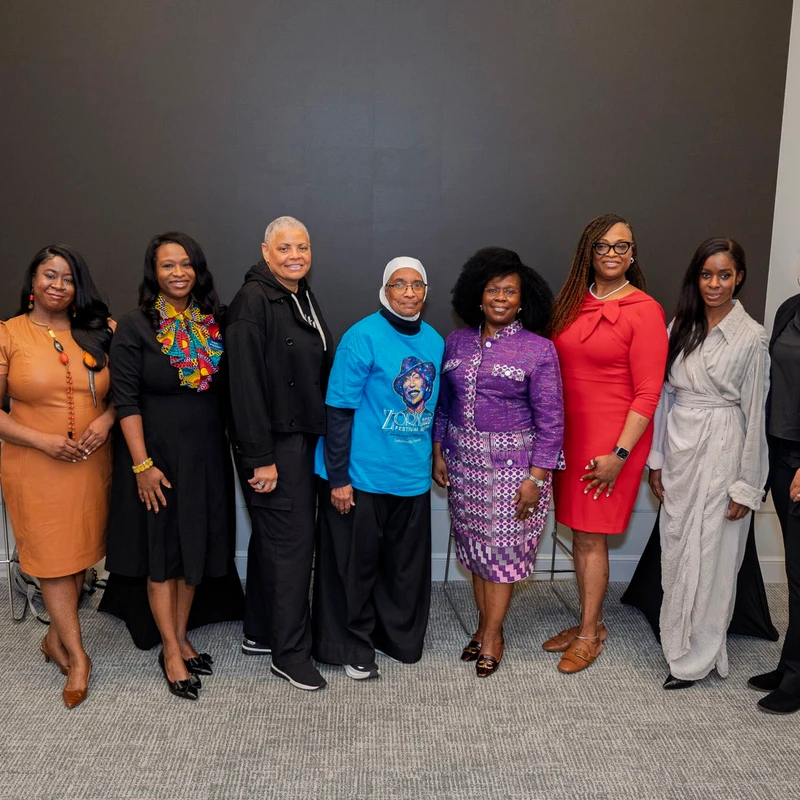
    Imagine a powerful gathering where groundbreaking women from across continents unite with a singular purpose: to build a stronger economic future. That’s exactly what happened at the inaugural Africa America Women Economic Forum (AAWEF), a pivotal event launching ZoraFest, a monthlong cultural and economic summit. This initiative, timed to commemorate America’s 250th anniversary, anchored its celebrations near Eatonville, Florida, the historic home of Zora Neale Hurston, placing women’s economic empowerment at the forefront of the American narrative.

    Under the theme “Leading for Economic Impact,” trailblazing women from Africa and the United States convened on January 30th at Rollins College’s Crummer Graduate School of Business. Their mission? To forge a historic collaboration aimed at bridging the financial and leadership gap between the two continents. This powerful union was expertly guided by Dr. Zienzi Dillon, founder and CEO of Carmel Global Capital and Goodwill Ambassador for the African Union Development Agency-NEPAD to the U.S.

    Expert Moderation and Strategic Vision

    Dr. Dillon, with nearly four decades of experience in central banking and development finance, skillfully moderated the high-stakes dialogue. Her extensive background, including roles at the World Bank and the Federal Reserve Bank of New York, allowed her to navigate complex discussions with strategic precision. She acted as a crucial linchpin, connecting public-sector policy with private-sector investment to chart actionable, sustainable pathways for U.S.-Africa collaboration.

    The forum brought together brilliant minds like Dr. Ajoritsedere Awosika, Anna McCoy, Mizinga Melu, Irene Kakooza, Dr. Diane Recinos, Happy Ralinala, and Valerie White, all contributing their unique expertise to the vital conversation.

    The Mandate for Boardroom Parity

    Mizinga Melu, CEO of Absa Bank Zambia, shared a powerful message: “We rise by lifting others.” As the first woman to lead Standard Chartered Bank Zambia, she spoke candidly about overcoming gender pay gaps and institutional bias. Melu emphasized the importance of preparing women for leadership roles, stating, “Our job is to train women to be board-ready so they actually won’t have an excuse. We need them to be able to say, ‘I am ready.’”

    She recounted a personal experience where she discovered her male predecessor was paid more in a senior role, a situation that initially made her shy away. Years later, she advocates for immediate confrontation: “If you’re not paying me the same, you should pass.” This highlights the persistent challenges women face in achieving true pay equity.

    Bridging the Capital and Policy Gap

    The forum underscored the significant differences in market sizes between countries like Zambia (20 million people) and Nigeria (200 million), stressing the need for U.S. collaboration in technical assistance and financial inclusion. Anna McCoy, founder of Anna McCoy Global Venture, urged attendees to focus on infrastructure beyond just inspiration. Having raised $800 million in private equity, McCoy announced the upcoming 2026 launch of the $1M Africa Earth AI Micro-Lending Fund.

    “Find the policy, girl. Find the policy,” McCoy advised, emphasizing that successful ventures are built on policy implementation. She also stressed the personal nature of impact, encouraging attendees to connect with leaders in other nations to serve, love, and care, thereby building opportunities at the highest level.

    Amplifying Voices Through Storytelling

    The power of storytelling in business was a key focus. Irene Kakooza, Brand Director for Range Rover USA, shared how Jaguar’s #GiveHerACrown campaign successfully elevated African fashion designers at New York Fashion Week. Kakooza explained the importance of “triple storytelling” – understanding who you are and, crucially, who you are not.

    By tapping into like-minded expertise and ensuring capital meets lived experience, brands can achieve longevity. This approach allows individuals to be great versions of themselves, rather than trying to copy others, fostering authenticity and impact.

    Systems of Support and Generational Wealth

    Valerie White, head of National Housing Strategic Initiatives at LISC, captivated the audience with her insights on affordable housing and impact investing. Leading LISC’s $30.4 billion investment portfolio, White highlighted the critical role of community stabilization in building generational wealth. She presented Itemba, a project revitalizing local economies through intentional capital placement, as a case study.

    “We are ramping up efforts to deliver more capital and community-based support to address the housing crisis,” White stated. “It is about more than just buildings; it is about creating the financial foundations where women and families can finally close long-standing wealth gaps and stabilize their local economies for the long term.”

    Navigating a Complex Climate

    Despite the forum’s focus on connection, the current political climate cast a shadow. One invited speaker opted for a virtual attendance, citing “the current political climate in America.” Happy Ralinala’s absence served as a stark reminder of the hurdles in international diplomacy and the safe exchange of ideas.

    Ralinala, a board director at African Bank Holdings, emphasized the need for robust ecosystems for emerging entrepreneurs. She stressed the intersection of networking and capital, stating, “I am actively involved in driving the creation of platforms and opportunities for entrepreneurs to succeed.” This involves intentional knowledge sharing, strengthening global networks, and providing diverse financing options.

    A Legacy of Leadership and Future Collaboration

    The AAWEF follows in the legacy of figures like Zora Neale Hurston and Nigeria’s former Finance Minister, Chief Festus Okotie-Eboh. His daughter, Dr. Ajoritsedere Awosika, former chairperson of Access Bank Group, underscored the importance of collaboration: “Collaboration is the only way to strengthen the U.S.-Africa economic bridge.” She urged attendees to find answers and ask the right questions for shared success.

    The forum concluded with a call for academic and corporate partnerships, particularly exploring connections between Rollins College and the University of Zambia Business School. The goal is to cultivate a new generation of “board-ready” female leaders, ensuring a brighter, more equitable economic future.

    What are your thoughts on the importance of fostering economic ties between the U.S. and Africa? Share your insights in the comments below!