Tag: gerrymandering

  • CBC Blocks Athlete Pay Bill Amid Gerrymandering Boycott Calls

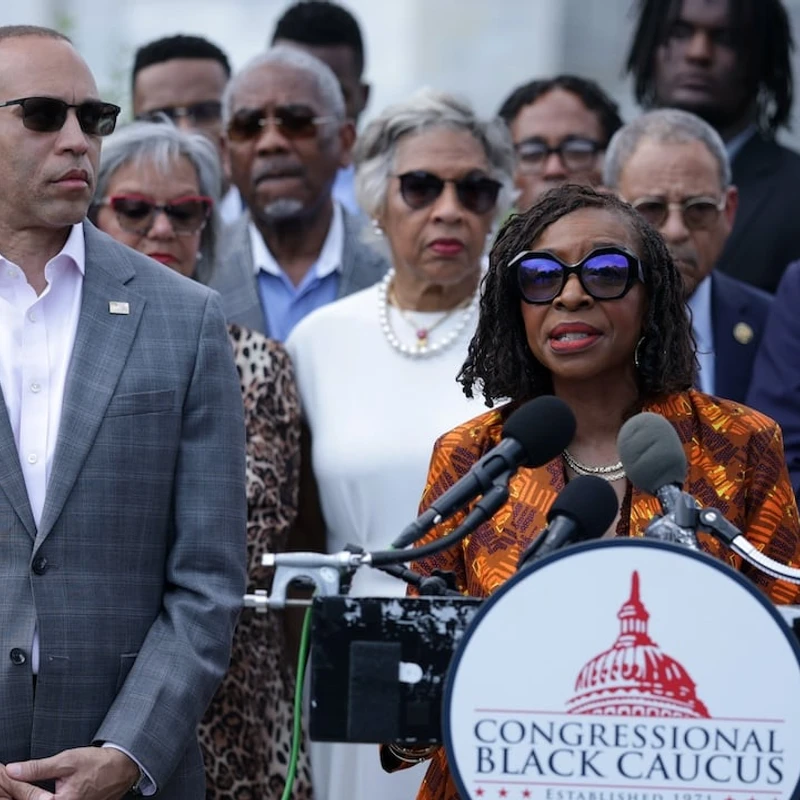
    The Congressional Black Caucus (CBC) has taken a firm stance, blocking a key bill aimed at stabilizing college athlete compensation. This move is directly tied to ongoing concerns about GOP gerrymandering and its impact on Black voting rights across the South.

    A Bold Stance on the SCORE Act

    Just a week after aligning with the NAACP to encourage Black student athletes to boycott Southern states involved in redistricting, the CBC is amplifying its message. They’ve declared they won’t support any legislation that benefits major athletic institutions remaining silent on the systematic dismantling of Black political power.

    This decision marks a significant shift, as some members had previously shown support for the SCORE Act (Student Compensation and Opportunity Through Rights and Endorsements Act). The act itself aims to create a national framework for college sports and Name, Image, and Likeness (NIL) compensation, while shielding the NCAA and universities from antitrust lawsuits.

    Concerns Over Athlete Power and NCAA Influence

    Even some Republican lawmakers, like Florida Rep. Byron Donalds, voiced concerns, arguing the SCORE Act could grant the NCAA too much control over student-athletes. The sentiment from the CBC is clear: for generations, Black athletes have fueled college athletics, yet many institutions are silent as Black voting rights face coordinated attacks.

    The caucus stated, “This is not politics as usual. This is a defining moral moment for our country.” The SCORE Act’s goal was to provide the NCAA with limited antitrust protection regarding NIL rights, transfers, and eligibility. President Donald Trump had actively promoted the bill, even contacting figures like Nick Saban to garner support.

    Expanding the Call to Action

    Without the crucial votes from the CBC, the SCORE Act was pulled from the House floor. This action follows the NAACP’s call for a boycott of Southern schools by Black student athletes, a response to the gutting of the Voting Rights Act. The CBC is now extending this call to businesses nationwide.

    Letters have been sent to over 250 companies, urging them to take a stand against GOP redistricting efforts that the CBC believes are designed to silence Black voters. This push comes nearly six years after the murder of George Floyd, a moment that spurred significant DEI commitments from many corporations.

    • Companies like Apple, Amazon, Google, and Microsoft previously pledged support for racial equity.
    • The CBC is testing whether these commitments were principle-based or merely convenient.
    • Some corporations, like Target, have faced boycotts after rolling back DEI practices.

    Rep. Yvette Clarke emphasized the responsibility of corporations: “Corporations that have profited from Black consumers, relied on Black workers, and amassed wealth in part from Black communities cannot look away while Black political power is dismantled in plain sight.”

    What do you think about the CBC’s decision and their call to businesses? Let us know your thoughts in the comments below!
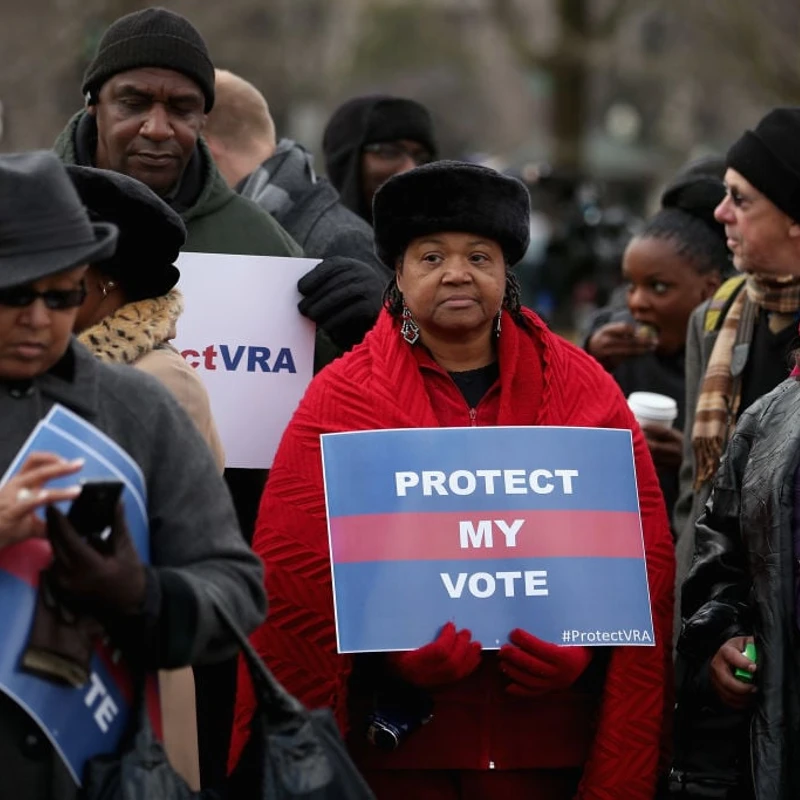

  • Redistricting Maps Harm Black Voters

    In a concerning trend for Black communities across the South, redistricting efforts are rapidly reshaping political landscapes, potentially diminishing the influence of Black voters. Recent rulings and legislative actions in Virginia and South Carolina highlight a significant challenge to Black political power at a time when these communities are already facing critical issues like affordability, environmental injustice, and healthcare disparities.

    Virginia Supreme Court Delivers a Blow

    Virginia’s Supreme Court recently delivered a significant setback to efforts aimed at protecting Black voters. Despite a voter-approved congressional map that favored Democrats, the court ruled the process was unconstitutional. This decision comes amidst a nationwide trend of Republican-led gerrymandering, allegedly orchestrated to maintain control of the U.S. House of Representatives.

    Virginia’s Attorney General, Jay Jones, the state’s first Black AG, criticized the ruling, stating the court contorted the law to fit a political agenda. The NAACP echoed this sentiment, calling the decision “unfortunate” and emphasizing that the voter-approved map was crucial for maintaining democratic balance.

    The Shadow of Louisiana v. Callais

    These developments are further exacerbated by the Supreme Court’s recent ruling in Louisiana v. Callais, which weakened the Voting Rights Act of 1965. This decision permits maps that dilute the influence of Black voters, provided the intent is political rather than explicitly racial. Critics argue this ruling effectively requires Black voters to prove overt racism to challenge discriminatory maps.

    NAACP President Derrick Johnson compared the Callais ruling to infamous 19th-century Supreme Court decisions like Dred Scott and Plessy v. Ferguson, signaling a grave concern for the future of voting rights and Black representation.

    GOP Maps Target Black-Majority Districts

    Across the South, Republican lawmakers are actively pushing maps that appear to dilute the voting power of Black communities. In Tennessee, the state’s only Black-majority district in Memphis was eliminated. South Carolina Republicans are targeting their sole Black-majority district, currently held by U.S. Rep. James Clyburn.

    Similar actions are underway in Alabama and Louisiana, where Republican lawmakers are considering eliminating districts that have historically ensured Black representation. U.S. Rep. Jasmine Crockett decried these moves as evidence that “the confederate states are for sure showing that they were never ridded of their racism.”

    A Call for Broader Engagement

    House Minority Leader Hakeem Jeffries condemned the Virginia ruling as “unprecedented and undemocratic” and highlighted the broader pattern of Republican “voter suppression.” He linked these actions to the Supreme Court’s weakening of the Voting Rights Act, warning of a “Jim Crow-like attack on Black representation.”

    The NAACP’s Derrick Johnson urged all Americans, not just African Americans, to recognize the stakes. He emphasized that with Black Americans making up only 13% of the population, the fight for inclusive representation and equitable policies requires a collective effort. The current attacks on voting rights, he argues, threaten the very foundation of American democracy.

    What steps do you believe are most crucial to protect voting rights for all Americans? Share your thoughts in the comments below.

  • TN Republicans Propose Map to Eliminate Dem District

    A significant political shift could be on the horizon in Tennessee. Republican leaders have introduced a controversial new congressional map that threatens to eliminate the state’s sole Democratic-held U.S. House district before the 2026 midterm elections.

    Splitting the Memphis District

    The proposed map, unveiled by Tennessee House Speaker Cameron Sexton and Senate Majority Leader Jack Johnson, specifically targets the Memphis-based district currently represented by Democratic Rep. Steve Cohen. This district, which is majority-Black, has long been the only Democratic stronghold in the state.

    Under the new plan, Cohen’s district would be divided and absorbed into multiple Republican-leaning districts. This move would effectively dismantle the current representation and could significantly alter the state’s political landscape.

    Arguments and Criticisms

    Republican lawmakers argue that the new map is designed to comply with a recent U.S. Supreme Court ruling that limits the use of race in congressional redistricting. Speaker Sexton stated that redistricting, like the judicial system, ‘should be color-blind.’ They also introduced legislation to allow for more frequent redrawing of maps.

    However, critics contend that this proposal would dilute the voting power of Black residents and Democratic voters concentrated in the Memphis area. Kareem Crayton of the Brennan Center for Justice expressed concern that dividing the city among three districts could reduce accountability to Memphis voters, as no single representative would fully champion the city’s interests.

    A Trend in Southern States

    This redistricting effort in Tennessee is part of a larger trend seen in several Republican-led Southern states following the Supreme Court’s decision. States like Louisiana, Alabama, and South Carolina are also reviewing their congressional maps.

    With supermajorities in both legislative chambers, Tennessee Republicans are expected to push this proposal through quickly, with floor votes potentially happening as early as Thursday. The state’s congressional primaries are scheduled for August 6, making the timing of this redistricting crucial.

    If approved, this redistricting plan would significantly reshape Tennessee’s political representation and could solidify Republican control over its congressional delegation for years to come.

    What are your thoughts on the proposed congressional map in Tennessee? Do you think it unfairly targets Democratic voters? Share your views in the comments below!

  • Voting Rights Under Fire: Black Legislators Lead the Charge

    Imagine this: you’ve fought for decades to have your voice heard, and just when you think progress is made, the very foundations of your voting power are shaken. That’s the reality many Black communities are facing right now, following a significant Supreme Court decision that weakened the Voting Rights Act of 1965. But instead of silence, there’s a powerful chorus of resistance rising, led by Black legislators determined to protect democratic principles.

    Redrawing Maps, Diluting Voices

    In the wake of the Supreme Court’s ruling, Republican-controlled state legislatures, particularly in the South, are swiftly moving to redraw congressional maps. The concerning pattern? These new maps often target districts with majority Black and brown populations. While Republicans hold strong majorities in these states, making the political outcomes seem inevitable, Black Democratic legislators are refusing to go down without a fight.

    These lawmakers are using their platforms to raise awareness and organize resistance. Their goal? To highlight what they see as a deliberate effort by President Trump and Republicans to consolidate power by undermining fair representation and over 60 years of voting rights protections for Black Americans. It’s a move that many are calling a direct attack on Black political power.

    A Direct Challenge in Tennessee

    Take Tennessee State Rep. Justin J. Pearson, for example. He’s directly impacted by the redistricting efforts in his state. The Republican majority is aiming to eliminate the 9th Congressional District, the sole Democratic district in Tennessee, which is based in the majority-Black city of Memphis. Pearson, who is running for that very seat, sees this as more than just political maneuvering.

    The proposed map would split Memphis, a city where over 60% of residents are Black, into three separate districts. Critics argue this will significantly dilute the voting power of Black residents, making it harder for their voices and policy interests to be represented in Congress. This is precisely the kind of outcome that the Voting Rights Act was designed to prevent.

    The Legal Landscape Shifts

    The Supreme Court’s April 29th decision changed the game. Now, proving racial discrimination in redistricting requires demonstrating intentionality. The conservative majority stated that targeting Black voters is permissible if the justification is political. This, critics argue, gives Republicans a clear path to carve out majority-Black districts, simply by claiming a political motive, especially since Black voters overwhelmingly support Democratic candidates.

    In response, Pearson and other Democrats have introduced bills to protect voting rights and are actively protesting. Pearson even led a 9-mile march to “Defend District 9” and joined hundreds at the State Capitol. He emphasizes that resistance is crucial, stating, “This is our moment in time to resist, to persist, to fight back.”

    Florida’s Fight for Representation

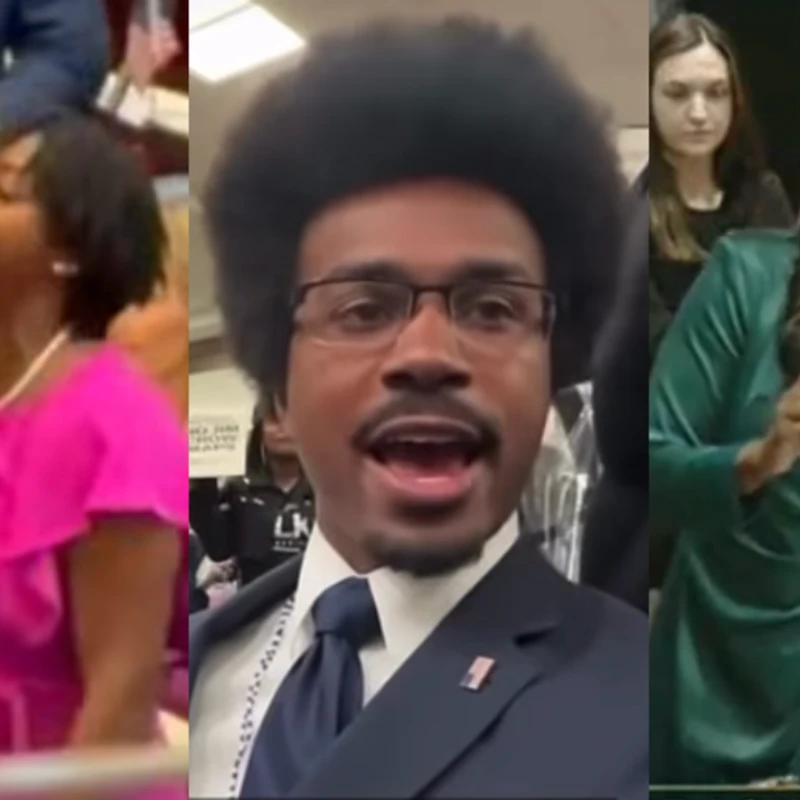
    The battle isn’t confined to Tennessee. In Florida, Republicans have also passed a new congressional map that redraws districts previously held by Black members of Congress. State Rep. Angie Nixon made her voice heard loud and clear on the House floor, using a bullhorn to denounce the map as a violation of the Constitution and an attempt to destroy democracy.

    Nixon explained her disruptive tactics were necessary because the map illegally diminished representation for Black, Latino, and Jewish communities. She believes this is a move to benefit Donald Trump and grant him unchecked power. “We have to do something different!” she urged.

    Florida State Senator Shevrin Jones is also calling out Republicans, reminding them that Florida voters approved a ban on political gerrymandering in 2010. He stated, “Black Floridians should be mad as hell, but motivated at the same time.” Jones warns that weakening historically underrepresented communities’ voting strength raises serious questions about racial gerrymandering disguised as politics. He’s ready for a fight, declaring, “going backward is not an option.”

    Appealing to Conscience and Courage

    Beyond civil disobedience, some legislators are appealing to the moral conscience of their colleagues. In Tennessee, State Senator London Lamar addressed the Senate floor, calling the move to eliminate Memphis’s sole Black voting district “one of the most racist actions taken in the modern history of this legislature.” She urged her colleagues to find the courage to do the right thing, emphasizing that gerrymandering to avoid fair elections is simply wrong.

    Lamar pleaded, “I’m calling on the soul of you to do the right thing. Let’s not carve out Memphis because you can’t fairly win in a ballot box or to favor one member in this body’s path to Congress. If you do this, this is racist, and it’s intent…Let’s call it what it is.”

    The Resistance Continues

    As other states like Alabama and Louisiana also advance maps that target majority-Black districts, the resistance from Black legislators is expected to intensify. Rep. Pearson, highlighting Memphis’s role in the civil rights movement, stressed the importance of continued investment in the South’s political infrastructure for the long term. “We can never lose hope,” he stated. “This is a moment, particularly in the South, where we have to start investing in our infrastructure… As long as Democrats participate in U.S. races, gubernatorial races, we might be able to change the way that the country is functioning and operating. And so I’m not giving up on us.”

    What are your thoughts on the current fight for voting rights? Share your perspective in the comments below!

  • Virginia Redistricting Win Celebrated by Democrats

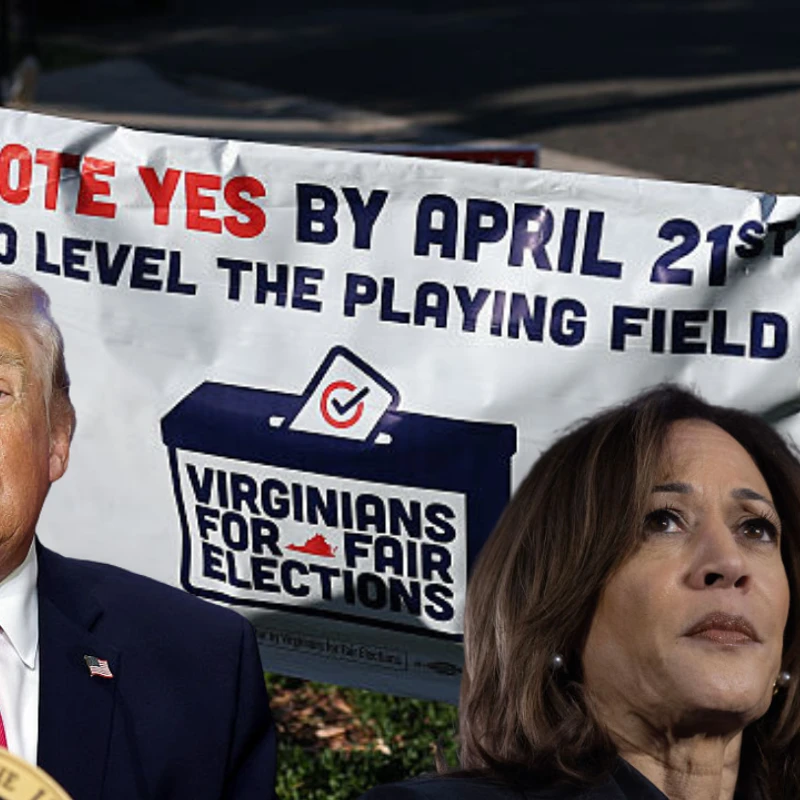
    Virginia voters have spoken, and the outcome is being hailed as a major win for Democrats and a clear rebuke of Republican efforts to manipulate electoral maps. The approval of a referendum allowing the General Assembly to redraw congressional districts is seen as a crucial step in leveling the playing field for the upcoming midterm elections.

    A Message Against Trump’s Strategy

    Prominent Democratic figures, including former Vice President Kamala Harris and former President Barack Obama, have celebrated the victory, framing it as a direct response to President Donald Trump’s alleged attempts to “rig” the 2026 midterms. Harris stated, “Donald Trump and Republicans have tried to rig the 2026 midterms. Today in Virginia, voters sent them a clear message: The power is with the people.”

    Obama, who actively campaigned for the referendum, echoed this sentiment, congratulating Virginia for standing up for democracy. He noted that despite Republican attempts to gain an advantage, voters demonstrated their power to fight back and ensure fair representation.

    Gerrymandering Schemes Thwarted

    U.S. Rep. Hakeem Jeffries, the Democratic leader in the House of Representatives, also weighed in, declaring that Democrats had defeated Trump’s gerrymandering scheme in Virginia. He expressed confidence in defeating similar tactics in other states, like Florida, and emphasized a strategy of “maximum warfare, everywhere, all the time” to counter Republican efforts to control Congress.

    Jeffries, who is poised to make history as the first Black Speaker of the House if Democrats regain the majority, highlighted the importance of this win in the broader fight against political manipulation. The victory in Virginia is seen as a crucial step in challenging what Democrats describe as Trump’s plot to gerrymander his way to a congressional majority.

    Voters’ Voices Heard Loud and Clear

    Former Obama U.S. Attorney General Eric Holder, who leads the National Democratic Redistricting Committee (NDRC), praised Virginia voters for showing up and proving that the people’s voice will ultimately prevail, even against unprecedented efforts to undermine democracy. He contrasted Virginia’s fair process with the gerrymandered maps imposed in states like Texas, Missouri, and North Carolina.

    Holder stressed that this win is a clear message to “MAGA Republicans and the White House” that attempts to silence voters will be met with organized resistance. He noted that voters across the country are likely to follow Virginia’s and California’s lead in rising up against such tactics.

    The Impact on Black Representation

    Advocates emphasize that the Republican Party’s attempts to retain power through gerrymandered maps, often accused of being racially motivated, pose a significant threat to Black Americans’ representation and the ability for their votes to be heard. Black voters in Virginia, known for their strong Democratic allegiance, were instrumental in this redistricting referendum victory. Nadine Smith, President and CEO of Color Of Change, highlighted how attempts to manipulate the election through dark money and disinformation failed, particularly targeting Black voters with deceptive mailers.

    Smith concluded, “These billionaires are so desperate because they know that when everyday people have a real voice and fair districts, corruption and extremism finally face consequences. They tried to drown voters in lies. Voters saw through it, stood together, and sent a clear message: if you try to rig our democracy, we will organize, we will vote, and we will win.”

    What are your thoughts on the Virginia redistricting results? Do you believe this sets a precedent for future elections? Share your opinions in the comments below!

  • SCOTUS Ruling Favors Texas GOP Redistricting Maps

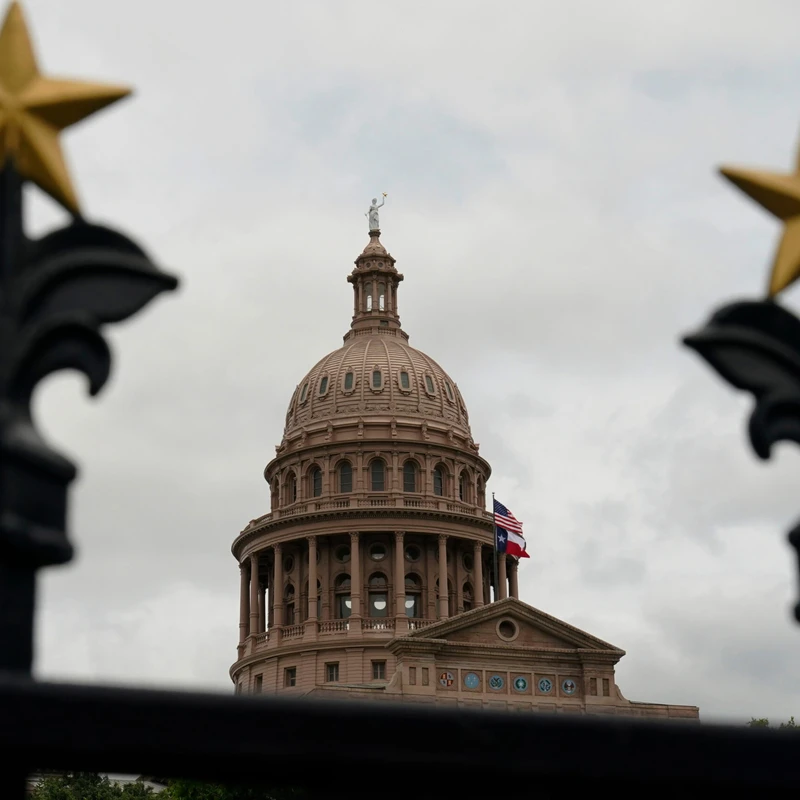
    In a significant decision that could reshape the political landscape, the Supreme Court has allowed Texas to implement a new congressional map drawn by Republicans. This ruling potentially paves the way for the GOP to gain as many as five additional U.S. House seats in the 2026 midterm elections, heightening their chances of maintaining their slim majority.

    Supreme Court Reverses Lower Court Block

    The high court’s December 4th decision sided with Texas’s emergency request to pause a block previously placed on the state’s redrawn map by a three-judge panel. The panel had argued the map could eliminate districts where Black and Latino voters form a majority. The Supreme Court, however, sided with the state’s argument that the lower court “failed to honor the presumption of legislative good faith.”

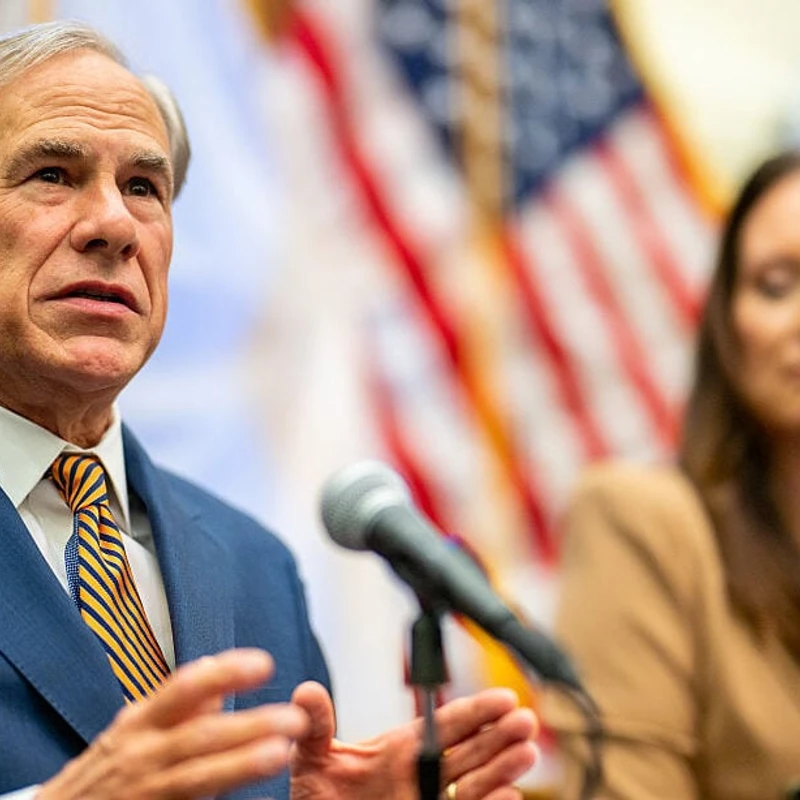
    This ruling is seen by some as a green light for further redistricting efforts nationwide and a strong message to lower courts to avoid interfering in election processes. Texas Attorney General Ken Paxton celebrated the decision, calling it a “massive win for Texas and every conservative” and stating the map “reflects the political climate of our state.”

    Concerns Over Minority Voting Rights

    However, liberal Supreme Court Justices Elena Kagan, Sonia Sotomayor, and Ketanji Brown Jackson strongly condemned the ruling in their dissenting opinion. They argued that the decision “ensures that many Texas citizens, for no good reason, will be placed in electoral districts because of their race,” which they stated is a violation of the Constitution.

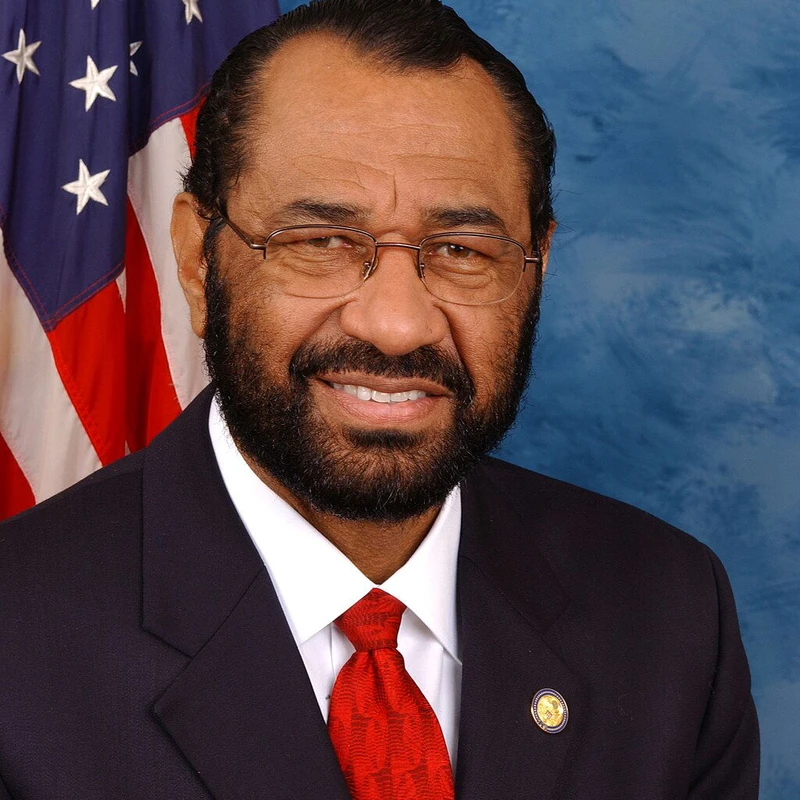
    The decision puts the seats of several Black Democratic representatives at risk. For instance, Rep. Mark Veasey’s district could be altered, potentially leading to a primary runoff with fellow Democrat Rep. Julie Johnson. Rep. Al Green, who has represented a majority-Black district in Harris County since 2005, could see his district shifted to an area that leaned Republican in the 2024 election.

    A National Redistricting Battle

    Democratic leaders, including Rep. Suzan DelBene, chair of the Democratic Congressional Campaign Committee, criticized the ruling, asserting that the map serves national Republicans seeking to maintain their House majority at the expense of minority voting opportunities. This redistricting battle is playing out across the country, with Democrats also engaging in map-drawing efforts to favor their party.

    The Supreme Court’s decision in Texas adds another layer to the ongoing national debate about fair representation and the political implications of how electoral districts are drawn. Experts suggest this ruling could encourage more aggressive redistricting efforts from both parties.

    What are your thoughts on the Supreme Court’s ruling regarding Texas’s redistricting maps? Do you believe these maps are fair to all voters? Share your opinions in the comments below!

  • NC Republicans Win Redistricting Battle Amid Gerrymandering Claims

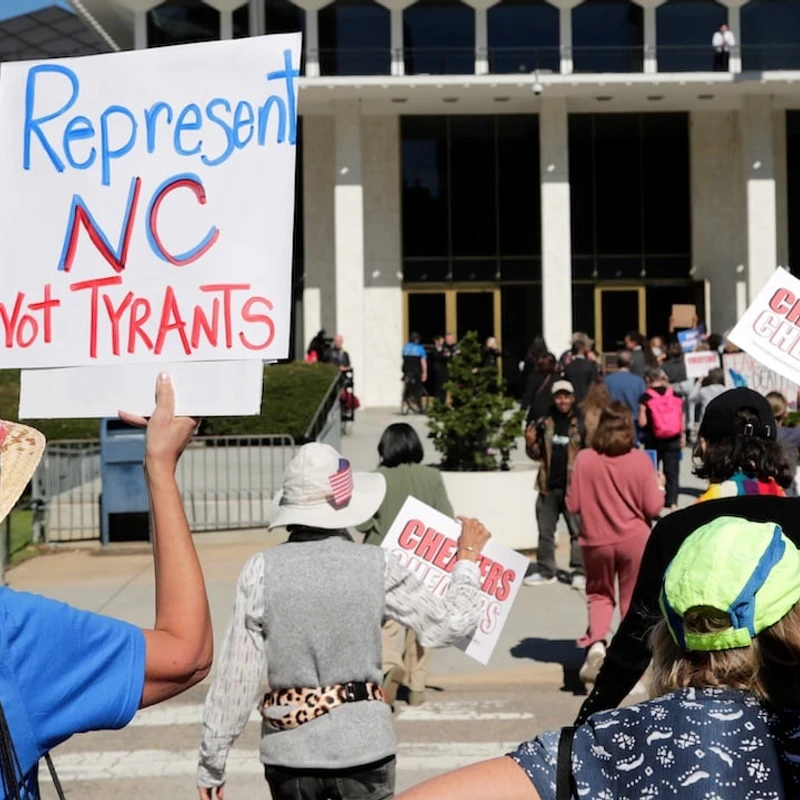
    In a significant development ahead of the midterms, North Carolina Republicans have emerged victorious in a federal redistricting battle. This ruling approves a new congressional map that could dramatically shift the political landscape in the state, potentially flipping districts long held by Black Democrats.

    A Federal Panel’s Decision

    A federal three-judge panel has given the green light to a new congressional map, with the most significant impact expected in North Carolina’s 1st district. This decision also validates several other maps previously drawn by the GOP, which have already helped Republicans gain seats in the state.

    This victory is seen as a win for Donald Trump’s broader redistricting strategy across multiple states. He had reportedly urged state GOP leaders to redraw maps to ensure favorable election outcomes, particularly aiming to maintain Republican control in the House of Representatives for the upcoming year.

    Impact on Representation

    The new congressional map raises concerns about a key seat currently held by a Black representative. Rep. Don Davis currently serves over 20 counties in the 1st district, a position historically held by Black leaders for three decades. The ruling could jeopardize this long-standing representation.

    Lawsuits Dismissed, Critics Speak Out

    This federal decision means lawsuits filed by the NAACP and various voters have been dismissed. These legal challenges argued that the redistricting violated the First Amendment and unfairly targeted the ‘Black Belt’ region, an area known for its diverse electorate. Another argument from voters was that the maps were based on outdated Census data.

    While North Carolina Republicans celebrated the ruling, local Democrats voiced strong opposition. Bob Phillips, Executive Director of Common Cause North Carolina, condemned the decision, stating, “This ruling gives blessing to what will be the most gerrymandered congressional map in state history, a map that intentionally retaliates against voters in eastern North Carolina for supporting a candidate not preferred by the majority party.”

    A Divided Political Landscape

    The current breakdown in the House of Representatives is razor-thin, with 219 Republicans and 213 Democrats. This close margin means that redistricting efforts, like the one in North Carolina, could have a significant impact on the balance of power in the upcoming midterms.

    Meanwhile, some states like California are actively pushing back against efforts to redraw districts in favor of specific parties, working to ensure more Democratic-leaning turnouts. The fight over redistricting is far from over, with legal and political battles continuing across the country.

    What are your thoughts on the North Carolina redistricting ruling? Do you believe it’s fair, or does it disenfranchise voters? Share your opinions in the comments below!

  • NC Redistricting: Judges Allow GOP-Favored Map for 2026

    In a significant development for the upcoming 2026 elections, a federal three-judge panel has allowed North Carolina to proceed with a newly drawn congressional map. This map is designed to give Republicans an advantage by flipping a crucial swing seat, a move that’s part of a broader redistricting effort reportedly influenced by former President Donald Trump.

    Targeting the State’s Only Swing Seat

    The controversial map specifically targets North Carolina’s sole swing seat, currently held by Democratic U.S. Rep. Don Davis. Davis, an African American representative, serves over 20 northeastern counties, and this district has a long history of being represented by Black members of Congress for more than three decades. The judges unanimously denied requests for preliminary injunctions after a mid-November hearing.

    This decision follows a separate ruling where the same judges upheld other redrawn U.S. House districts enacted by GOP state lawmakers in 2023. Those districts were used in the 2024 elections, contributing to Republicans gaining three additional congressional seats.

    Trump’s Redistricting Push and Partisan Battles

    Breaking with tradition, former President Trump reportedly directed GOP efforts in North Carolina and other states to redraw maps mid-decade, aiming to prevent Democrats from regaining control of the House in the upcoming midterms. Democrats need only a few seats to achieve this and potentially impede Trump’s agenda.

    This isn’t an isolated effort. Republican-led states like Texas, Missouri, and Ohio have also adopted new districts to boost their chances. Conversely, California voters approved maps favoring Democrats, and Virginia’s Democratic-led assembly is pursuing redistricting through a proposed constitutional amendment. While many lower courts have initially blocked such initiatives, the U.S. Supreme Court’s conservative majority has often put those rulings on hold.

    Arguments and Criticisms of the New Map

    North Carolina’s Republican-controlled General Assembly gave final approval to the map on October 22nd, without requiring Democratic Gov. Josh Stein’s consent. Republican Senate leader Phil Berger hailed the court’s decision as thwarting the ‘radical left’s’ attempts to circumvent the will of the people in a state that has voted for Trump in recent presidential elections.

    However, critics like Bob Phillips, Executive Director of Common Cause North Carolina, condemned the ruling, calling it a blessing for what will be the most gerrymandered congressional map in state history. He argued it intentionally retaliates against voters in eastern North Carolina for supporting candidates not preferred by the majority party.

    Legal Challenges and Concerns

    The ruling addresses two lawsuits. One, filed by the state NAACP, Common Cause, and voters, argued the map unconstitutionally targeted North Carolina’s ‘Black Belt’ and Democratic-voting areas. The second lawsuit questioned the use of five-year-old Census data for mid-decade redrawing, potentially violating the Constitution’s one-person, one-vote guarantee, and alleged mapmakers relied on race unconstitutionally.

    Attorneys for the Republican lawmakers countered that their map-drawing intentions were political, not racial, and part of a ‘nationwide partisan redistricting arms race.’ They disputed claims of old Census data use and retaliation, citing Supreme Court precedent.

    Impact on Representation

    Republicans currently hold 10 of North Carolina’s 14 House seats, largely due to the 2023 map. They aim to flip an 11th seat with this latest redrawing, particularly impacting the 1st and 3rd Districts. The new map reportedly reduces the Black voting-age population in the 1st District from 40% to 32%, with counties having significant Black populations being moved to the 3rd District.

    What are your thoughts on this redistricting decision and its potential impact on North Carolina’s representation? Share your views in the comments below!

  • Supreme Court Allows Texas’ Disputed Voting Map, For Now

    Hold onto your hats, folks! The U.S. Supreme Court has stepped in, granting Texas a temporary win by allowing it to use its recently redrawn congressional voting map for the upcoming 2026 midterm elections. This decision comes as a relief for Republican lawmakers but is a point of contention for civil rights groups who argue the map unfairly dilutes the voting power of minority communities.

    A Temporary Reprieve for Texas

    Late Friday, Justice Samuel Alito issued an administrative stay, essentially pausing a lower court’s ruling that had blocked the map. This move gives the full Supreme Court more time to consider the case and decide whether Texas can keep the map in place while the legal challenges play out. Justice Alito also set a quick deadline for responses, suggesting the high court might be eager to address this issue.

    This decision followed an urgent request from Texas Attorney General Ken Paxton, who asked the justices to allow the state to proceed with the map approved by Republican lawmakers over the summer. This redistricting effort is part of a larger push, reportedly backed by former President Donald Trump, to redraw political boundaries in GOP-led states before the midterms.

    The Lower Court’s Ruling and Paxton’s Response

    Just days before the Supreme Court’s intervention, a three-judge federal panel in El Paso delivered a blow to Texas Republicans. They ruled 2-1 that the new map was likely an unconstitutional racial gerrymander. U.S. District Judge Jeffrey V. Brown, appointed by Trump, even stated there was “substantial evidence” of racial gerrymandering in the 2025 map.

    The panel ordered Texas to revert to its 2021 congressional map while the case proceeded. However, Attorney General Paxton was quick to announce his intention to appeal to the Supreme Court, asserting Texas’s sovereign right to draw districts for partisan advantage. He expressed confidence that the court would uphold this right.

    A Nationwide Redistricting Battle

    The situation in Texas is just one piece of a larger, nationwide puzzle. Redistricting, typically a once-a-decade process tied to the census, is happening with unusual intensity ahead of the 2026 midterms. While some states are following Trump’s lead on redrawing maps, others, like Indiana, have pushed back against his influence.

    Adding to the complexity, the Supreme Court is already considering another significant redistricting case involving Louisiana’s map. This case, brought by white voters challenging the creation of a second majority-Black district, could set a precedent for how the court approaches the Texas dispute. The outcome of these cases could significantly impact the balance of power in Congress for years to come.

    What are your thoughts on the Supreme Court’s decision to allow Texas to use the disputed map for now? Do you think it’s fair to voters of color? Let us know in the comments below!

  • Texas Congressional Map Blocked by Judges Over Racial Gerrymandering

    Texas Republicans aimed to gain an advantage in the upcoming 2026 midterm elections by redrawing the state’s congressional map. However, their plan has hit a major roadblock. A panel of three federal judges has blocked the new map, ruling that it constitutes racial gerrymandering and violates federal law.

    A Blow to Political Redistricting Efforts

    The ruling is a significant setback for efforts, reportedly encouraged by former President Donald Trump, to redraw state maps to benefit Republican candidates. Texas was the first state to implement such changes, with Missouri and North Carolina following suit. The judges stated, “Substantial evidence shows that Texas racially gerrymandered the 2025 Map,” making it clear that politics alone wasn’t the issue.

    This decision came after a nearly two-week trial in El Paso, where civil rights groups representing Black and Hispanic voters argued that the map diluted minority voting power. They contended that the map was a racial gerrymander, violating both the federal Voting Rights Act and the U.S. Constitution. The judges’ 2-1 decision suggests they believe these groups have a strong chance of winning their case at trial.

    The Impact on Minority Representation

    The newly drawn map reduced the number of congressional districts where minorities form a majority of voting-age citizens, decreasing them from 16 to 14. It also eliminated five “coalition” districts, where minority groups collectively outnumber non-Hispanic whites, even if no single group holds a majority. This move disproportionately affects Black and Hispanic Democratic lawmakers, with five of six drawn into districts with other incumbents.

    Republicans argued that the map actually benefits minority voters by creating an eighth Hispanic-majority district and two new Black-majority districts. However, critics dismiss these new districts as ineffective, suggesting that the slim majorities will still leave control in the hands of white voters who tend to have higher turnout rates.

    A Political Chess Match

    The U.S. Supreme Court’s 2019 ruling that partisan gerrymandering is a political issue beyond federal court reach has fueled these redistricting battles. Democrats view these map changes across the country as a Republican power grab aimed at undermining democratic processes. The blocking of Texas’ map is a significant development in this ongoing political struggle.

    What are your thoughts on the federal judges’ decision to block Texas’ new congressional map? Do you believe redistricting efforts are fair? Share your opinions in the comments below!