You’ve likely seen it all over social media or heard rave reviews: lymphatic drainage massage, touted for everything from post-surgery recovery to detoxifying the body. But what exactly is this gentle massage technique, and does it live up to the hype? It’s a specialized therapy designed to support your lymphatic system, a crucial part of both your immune and circulatory systems.
While often marketed for wellness and beauty, lymphatic drainage massage also has legitimate medical applications. Let’s dive into how it works, who might benefit, its potential advantages and risks, and when you should chat with your doctor about it.
What is Lymphatic Drainage Massage?
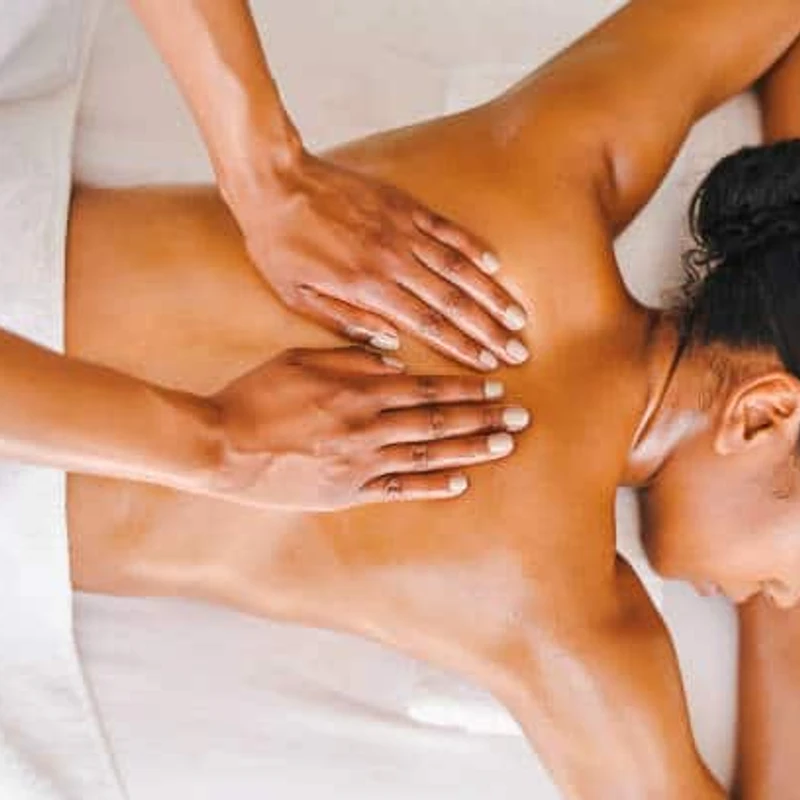
Unlike traditional deep-tissue massage, lymphatic drainage massage uses slow, rhythmic, and gentle strokes. The focus isn’t on manipulating muscles but on encouraging the natural flow of lymph fluid through the body’s vessels and toward lymph nodes. This process helps reduce swelling and supports recovery when lymph flow is impaired.
This specialized technique can be performed by trained massage therapists, physical therapists, or other healthcare professionals, depending on the context and medical necessity. The goal is to stimulate lymph flow without causing pain or bruising.
Understanding the Lymphatic System
Your lymphatic system is a vital network of vessels, nodes, and organs (like the spleen and thymus) that works to remove excess fluid from tissues, filter waste products, support the immune response by transporting white blood cells, and maintain fluid balance. When this system is compromised, fluid can accumulate, leading to swelling, discomfort, and an increased risk of infection.
What Happens During a Session?
During a lymphatic drainage massage, a trained provider uses very light pressure and slow movements, often focusing on areas rich in lymph nodes like the neck, armpits, abdomen, and groin. The experience should be calm, non-painful, and typically lasts between 30 to 60 minutes. If you experience pain or bruising, the pressure is likely too deep.
Do You Need Lymphatic Drainage?
This type of massage might be beneficial if you experience persistent swelling in your limbs or abdomen, especially after surgery or medical procedures. It’s often recommended for conditions like lymphedema (swelling due to lymph system blockage), lipedema, or if you feel a persistent heaviness, tightness, or reduced mobility in your limbs. However, it’s not for everyone, and a healthcare provider can best determine if it’s appropriate for your situation.
Conditions That May Benefit
Lymphatic drainage massage is most effective when the lymphatic system has been disrupted by surgery, illness, or injury. It’s typically part of a broader medical plan for conditions such as:
- Lymphedema (often following cancer treatment)
- Post-surgical swelling and fluid retention
- Chronic venous insufficiency
- Lipedema
- Inflammatory conditions affecting circulation
Potential Benefits
By supporting the lymphatic system’s natural flow, this massage can help reduce swelling more efficiently and decrease pressure on surrounding tissues. Potential benefits include:
- Reduced swelling and fluid retention
- Improved circulation
- Temporary relief from limb heaviness or discomfort
- Support for post-surgical recovery
Risks and Complications
While generally safe when performed by a trained professional, lymphatic drainage massage isn’t suitable for everyone. Individuals with active infections, blood clots, heart disease, or kidney failure should avoid it or seek medical approval first, as increased fluid movement could potentially worsen their condition. Always consult your healthcare provider before starting, especially if you have underlying health issues.
Where to Find a Provider and Self-Care
Lymphatic drainage massages are offered in physical therapy clinics, medical massage practices, some hospitals, and by licensed massage therapists with specialized certification. For medical needs, seek providers trained in Manual Lymphatic Drainage (MLD).
Some professionals teach simplified self-drainage techniques for home use, particularly for those managing chronic conditions. However, improper technique can be ineffective or even harmful, and self-care should never replace professional medical treatment. Always get proper instruction from a qualified provider before attempting self-massage.
Recovery and Outlook
Most people can resume normal activities immediately after a session, though some might experience increased urination or mild fatigue as fluids shift. Staying hydrated by drinking plenty of water is often recommended post-massage. For medical conditions, multiple sessions over time, as part of a comprehensive plan, usually yield the best results.
Is It Worth It?
For individuals with medically related swelling or lymphatic dysfunction, lymphatic drainage massage can be a valuable supportive therapy. However, for those with a healthy lymphatic system, the benefits are likely limited to relaxation and should not be considered a weight-loss or detox solution. Its true value lies in its targeted medical applications.
Have you experienced lymphatic drainage massage? Share your thoughts on its effectiveness and benefits in the comments below!