Tag: Federal Agents

  • Chicagoans Alter Routines Amid Immigration Crackdown Fears

    A palpable sense of anxiety has settled over parts of Chicago as residents brace for a potential federal immigration crackdown. The city, known for its vibrant neighborhoods and bustling streets, is seeing changes in daily routines, with some residents carrying identification more frequently and businesses reporting a noticeable drop in foot traffic. This heightened fear stems from President Trump’s promises of increased deportations and federal agent activity in Democratic-led cities.

    Impact on Daily Life and Business

    Neighborhoods like Little Village, typically a hub of activity, are experiencing a slowdown. Street vendors are fewer, and businesses report dwindling crowds. Galilea Mendez, a resident who visits the area, noted, ‘The streets that were busy are dying down.’ This sentiment is echoed by longtime business owners like Laura Padilla, who has sold clothes in the area for over 20 years and describes the streets as ‘dead’ since the start of Trump’s second term. Even celebrations for Mexican Independence Day have been muted, with some festivals canceled and others increasing security.

    The mood of anxiety extends to local businesses. Fabio Fernandez, owner of an art and T-shirt company in the Pilsen neighborhood, has seen fewer customers and expressed that ‘We shouldn’t fear or feel like we can’t walk the same streets that we usually roam.’ This fear is compounded by a lack of clear information about the federal administration’s plans, leading to increased calls to activist hotlines reporting immigration arrests, some of which are unconfirmed.

    Community and Official Responses

    In response to the growing concerns, faith leaders are urging residents, including U.S. citizens, to carry identification. Sam Sanchez, a naturalized U.S. citizen from Mexico and a restaurant owner, criticized the federal plans as ‘profiling’ and is taking precautions himself, ensuring his wife carries her citizenship papers. Activists with Organized Communities Against Deportations describe the current situation as feeling ‘unprecedented,’ despite the long history of the ‘deportation machine.’

    Recent arrests, including those of a longtime flower vendor and 13 individuals with previous criminal arrests, have further fueled fear. The Department of Homeland Security announced a new operation in Chicago, citing its ‘sanctuary laws’ as a reason. Illinois Governor JB Pritzker and Chicago Mayor Brandon Johnson have voiced strong objections to any federal surge and have pledged to sue.

    Calls for Online Learning and Rights Awareness

    The Chicago Teachers Union is advocating for schools to offer online learning options for students who fear being targeted by immigration agents, citing Los Angeles’s successful implementation of such programs. While Chicago Public Schools leaders maintain that in-person instruction is best, they have assured parents that schools do not coordinate with ICE or inquire about immigration status. Teachers are actively distributing flyers to inform families of their rights, emphasizing that ‘being informed is the best way to empower our communities to stay safe.’

    • Businesses report decreased foot traffic and sales.
    • Public school teachers are advocating for online learning options.
    • Faith leaders are urging residents to carry identification.
    • Immigrant rights groups report an increase in calls to emergency hotlines.
    • State and city officials are opposing federal intervention and planning legal action.

    The Supreme Court’s recent decision to lift a restraining order that previously barred immigration authorities from certain stops has added another layer of concern. Pastors, imams, and rabbis have collectively urged all residents to carry identification, film encounters with authorities, and protest, vowing to ‘fight for this city.’

    How do you feel about the increased immigration enforcement in Chicago? What steps do you think communities can take to ensure safety and protect rights? Share your thoughts in the comments below.

  • D.C. Jury Rejects Felony Charge for ‘Sandwich Guy’

    In a move that has resonated with many D.C. residents, a grand jury has rejected a felony indictment against Sean Charles Dunn, a 37-year-old former Justice Department paralegal. Dunn faced charges after allegedly throwing a Subway sandwich at a Customs and Border Protection agent during a period of heightened federal presence in the city.

    Jurors Say No to Felony Assault Charge

    The incident, which quickly went viral online and sparked numerous memes and public discussion, resulted in Dunn’s arrest on felony assault charges. However, the grand jury’s decision not to indict means that the severe charge, which could have carried up to eight years in prison, will not move forward.

    This marks the second time in recent days that D.C. jurors have refused to hand down felony assault charges against individuals accused of interacting physically with federal agents deployed under President Trump’s controversial initiative. The jury’s decision suggests a skepticism towards escalating minor incidents into serious felony offenses, especially concerning food items.

    Prosecutors Weighing Next Steps

    Federal prosecutors are now faced with deciding whether to pursue the case as a misdemeanor, which does not require a grand jury indictment, or to attempt to seek a felony indictment again. Regardless of the outcome, Dunn’s case has become a symbol of local resistance against what many residents perceive as an overreaching federal presence on their streets.

    The incident, complete with dramatic video footage of Dunn’s apartment raid, underscores how public sentiment and jury decisions can shape the legal process. For many in D.C., the “Sandwich Guy” case represents a powerful, albeit unconventional, form of pushback against perceived heavy-handed tactics.

    What do you think about the grand jury’s decision? Should throwing a sandwich be considered a felony? Share your thoughts in the comments below!

  • Trump Joins D.C. Patrol Amid Checkpoint Crackdown

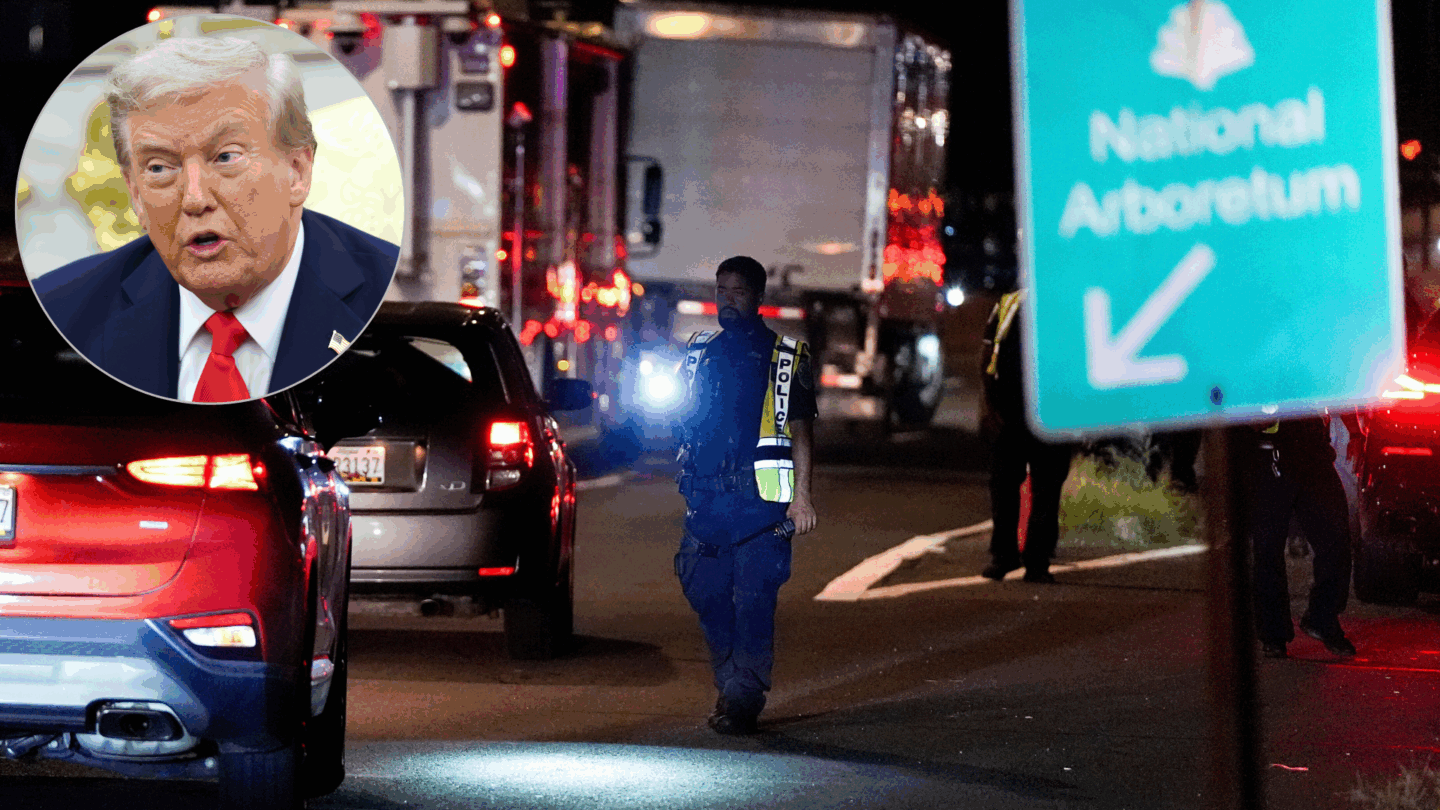
    President Donald Trump announced plans to join federal patrols in Washington D.C. this Thursday evening, marking a significant escalation in his administration’s controversial two-week crackdown. The deployment of federal agents and National Guard soldiers has led to the establishment of checkpoints throughout the city, raising concerns among residents and legal experts about immigration enforcement and civil liberties.

    Heightened Federal Presence and Resident Concerns

    Hundreds of federal agents and National Guard troops have been deployed to the capital, creating tense confrontations and leaving some residents on edge. Vice President JD Vance and Defense Secretary Pete Hegseth visited troops at Union Station to show support, while protestors chanted “free D.C.” Despite statistics indicating a decline in crime prior to Trump’s intervention, the immigration enforcement aspect of the crackdown has particularly unsettled neighborhoods. A local daycare experienced a partial closure due to staff fears about federal agents nearby, prompting administrators to advise parents to keep children home if possible. Other daycares have suspended outdoor activities due to concerns about encountering law enforcement.

    Since the surge of federal agents began on August 7th, the White House reports 630 arrests, including 251 individuals who are in the country illegally. Trump has intensified the pressure by reportedly seizing control of the D.C. police department and deploying additional National Guard troops, primarily from Republican-led states. While soldiers are largely concentrated in downtown areas like the National Mall and transit stations, federal agents are operating more broadly across the city.

    Legality and Constitutionality of Checkpoints

    D.C. Mayor Muriel Bowser acknowledged the increased frequency of traffic checkpoints, noting that the surge in federal officers allows for “different types of deployments, more frequent types of deployments, like checkpoints.” However, the legality and nature of these stops are being questioned. Martin Romero, a construction worker, described being stopped at what he initially thought was a normal traffic stop, only to find U.S. Park Police checking commercial vehicles, followed by U.S. Immigration and Customs Enforcement (ICE) agents inquiring about their origins and immigration status. Romero expressed nervousness, stating, “We just came here to work. We aren’t doing anything bad.” Two individuals in his truck were detained without explanation, and he witnessed others being taken from different vehicles.

    Legal experts weigh in on the constitutionality of such checkpoints. Jeffrey Bellin, a law professor specializing in criminal law, noted that while checkpoints for specific purposes like border control or DUI checks are upheld by the Supreme Court, they cannot be used as a “subterfuge” for general crime control. He expressed doubt that the authority to question drivers about immigration status at the border extends to Washington D.C. Anthony Michael Kreis, another law professor, suggested that the “arbitrary” and intrusive nature of these checkpoints in the capital could lead residents to feel aggrieved, fostering suspicion for valid reasons.

    This crackdown in D.C. mirrors similar enforcement actions seen in areas like Los Angeles, where immigration officers have maintained a visible presence at locations like Home Depots and car washes. The heightened enforcement has impacted daily routines, even leading a bishop in San Bernardino, California, to excuse parishioners from their weekly Mass obligation due to immigration agents detaining individuals on parish properties. While a federal judge previously blocked indiscriminate immigration stops in Southern California, authorities have indicated a continued commitment to enforcement.

    What are your thoughts on the use of checkpoints and increased federal presence in cities? Share your opinions in the comments below!