Tag: Donald Trump

  • Mo3’s Accused Killer Asks Trump for Pardon

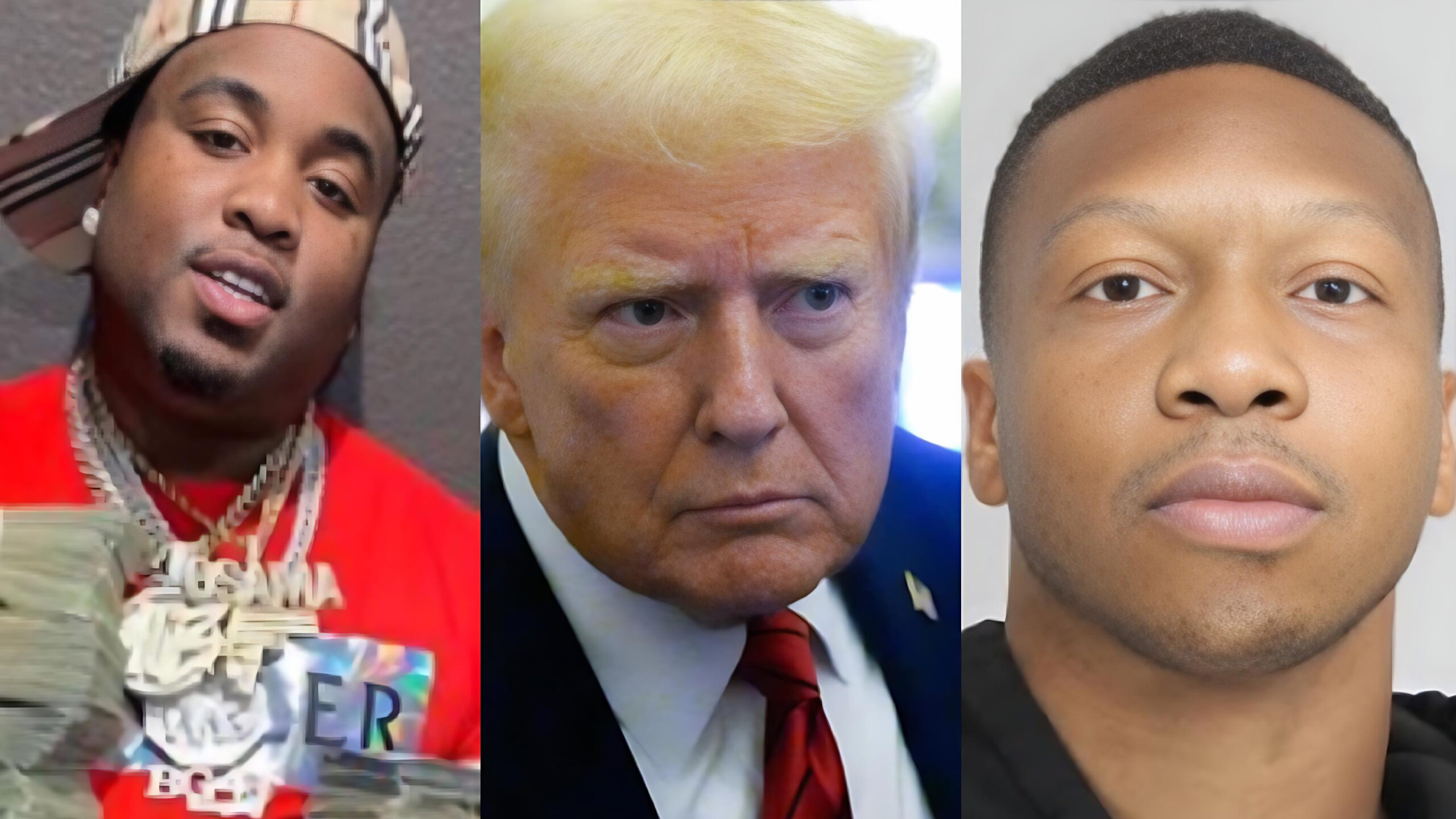
    Talk about a surprising move! Kewon White, the individual charged in the 2020 murder of Dallas rapper Mo3, has made a rather unusual request from behind bars. He’s publicly stated his hope that former President Donald Trump might be able to help him get out on bond before his trial even begins.

    A Plea for Presidential Intervention

    In a recent interview with RealLyfe Productions, White expressed his desire to enlist Trump’s assistance. He specifically mentioned wanting to pay Trump to help him get released so he can fight his case from the outside. It’s a bold strategy, to say the least, and it’s certainly got people talking online.

    White is currently awaiting trial, with a pretrial hearing set for October 9th and the trial itself expected to kick off in November. The prosecution’s case alleges that rapper Yella Beezy was involved, claiming he hired White to carry out the hit on Mo3. However, Beezy has firmly denied any involvement in the incident.

    Trump’s History with Pardons

    This isn’t the first time a rapper has sought or received clemency from Donald Trump. During his presidency, Trump famously granted pardons to artists like Lil Wayne and Kodak Black. More recently, NBA YoungBoy also received a pardon in May for felony gun charges. This pattern might be what’s encouraging White to make his plea.

    As of now, Donald Trump has not publicly commented on White’s request, and it remains unclear if he’s even aware of the details surrounding Mo3’s murder case. It’s a developing situation, and we’ll be keeping an eye on any further updates.

    What are your thoughts on Kewon White’s plea to Donald Trump? Share your opinions in the comments below!
  • Trump’s $500M Fraud Penalty Overturned by NY Appeals Court

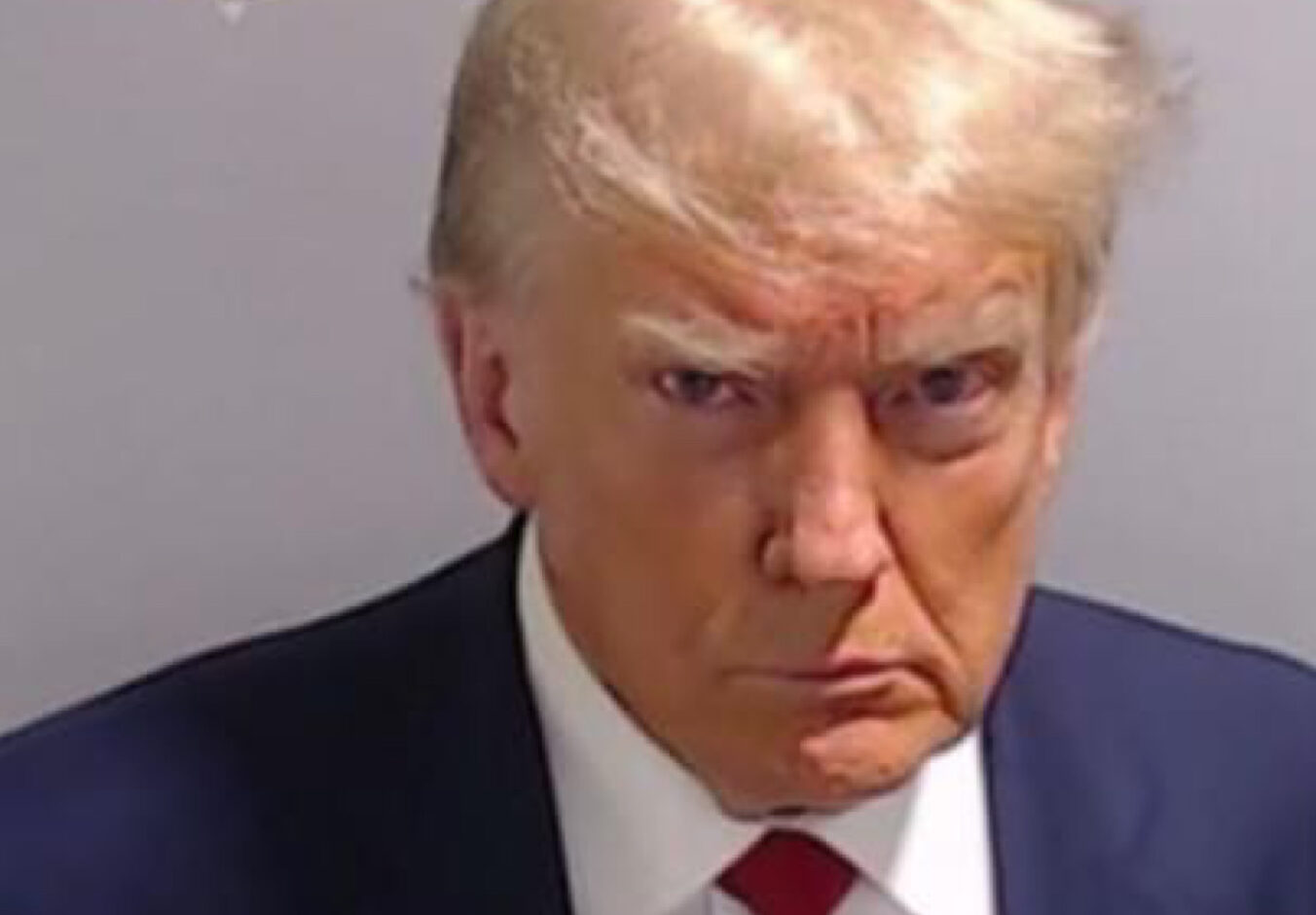
    Big news out of New York! A recent ruling from the state’s appeals court has significantly altered the financial landscape for Donald Trump. The nearly half-billion dollar penalty he faced in his civil fraud case has been overturned, offering him some much-needed financial breathing room.

    A Major Financial Win, But Not a Clean Slate

    The New York Attorney General, Letitia James, had originally secured a hefty $500 million judgment against Trump. However, the appeals court judges deemed this amount excessive, citing a violation of the Eighth Amendment’s prohibition against extreme financial penalties. This decision effectively wipes the slate clean regarding that specific massive fine.

    But here’s the crucial catch: while the penalty is gone, Trump is still held liable for fraud. The court’s decision means the legal battle isn’t over; it simply shifts the focus and continues the ongoing legal proceedings.

    Expert Reactions and Future Implications

    Legal experts have weighed in, with some calling the ruling unusual, especially given the nearly year-long wait for the decision. CNN analyst Elie Honig described it as a “huge win” for Trump and a significant setback for Attorney General James. Trump’s former lawyer, Alina Habba, also expressed her satisfaction, labeling it a “resounding victory.”

    While this appeals court decision provides Trump with a reprieve from the massive fine, the underlying fraud allegations remain. The case is expected to proceed through further appeals, meaning the legal saga is far from its conclusion.

    Does this ruling change your perception of the case, or do you think the fraud liability still overshadows this win? Let us know your thoughts in the comments below!

  • Texas Dems End Walkout Over Gerrymandering

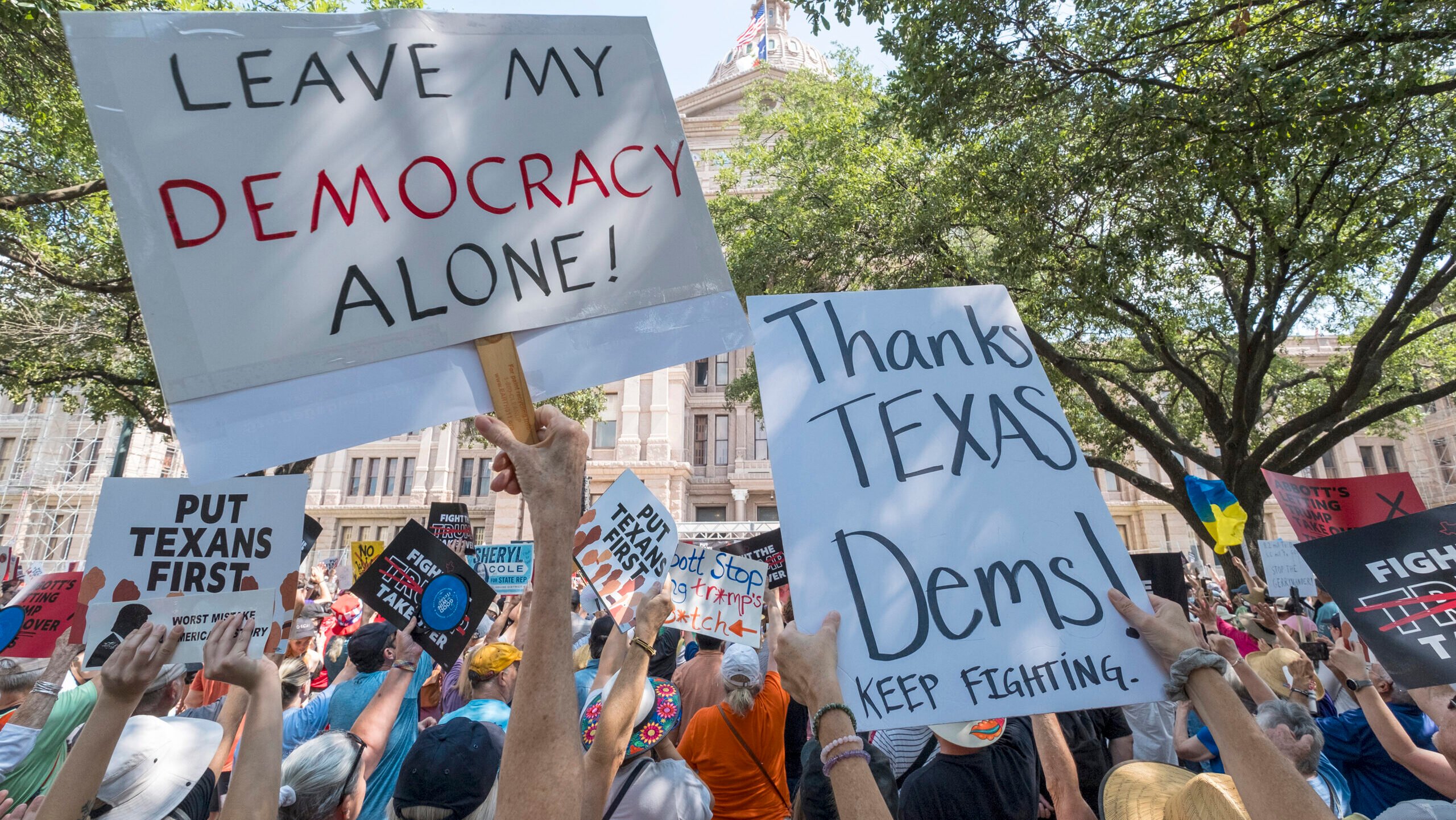
    After a two-week absence that stalled Republican efforts to redraw congressional districts, Texas Democrats have announced they will end their walkout. This move comes as California Democrats advance their own redistricting plans, intensifying a nationwide battle for control of the U.S. House of Representatives.

    A Strategic Shift in the Redistricting Fight

    The decision to return to the Texas legislature follows California’s move to redraw its own congressional maps, aiming to neutralize potential Republican gains. Both states, the most populous in the nation, are central to the ongoing fight to reshape the political landscape ahead of the 2026 midterm elections. President Donald Trump is reportedly pushing for these changes to bolster the GOP’s slim House majority and prevent a repeat of the 2018 midterms, where Democrats regained control.

    Dozens of Texas House Democrats had left the state on August 3, most heading to Illinois, to prevent the Republican majority from achieving the necessary quorum to vote on the proposed maps. These maps are designed to create five additional winnable seats for Texas Republicans. The Democrats declared their walkout a victory after the initial special session was adjourned, and they received support from Democrats nationwide opposing the Trump-led gerrymandering efforts.

    The National Redistricting Battle

    Texas Republicans are now aiming to resume pushing through their redrawn U.S. House district maps. This action, coupled with California’s redistricting proposal, signals a potentially escalating and unusually timed redistricting battle across the country. Typically, redistricting occurs at the beginning of each decade following the census, but this mid-decade push highlights the intense partisan struggle for political advantage.

    California Democrats, holding supermajorities, have unveiled a proposal that could add five U.S. House seats for their party. Governor Gavin Newsom has scheduled a special referendum for November 4 to vote on these proposed changes. With only a few dozen competitive districts nationwide, even minor adjustments in key states like Texas and California can significantly impact which party controls the House.

    What are your thoughts on the ongoing redistricting battles in Texas and California? Share your opinions in the comments below!
  • Baltimore Mayor Shares Racist Voicemail

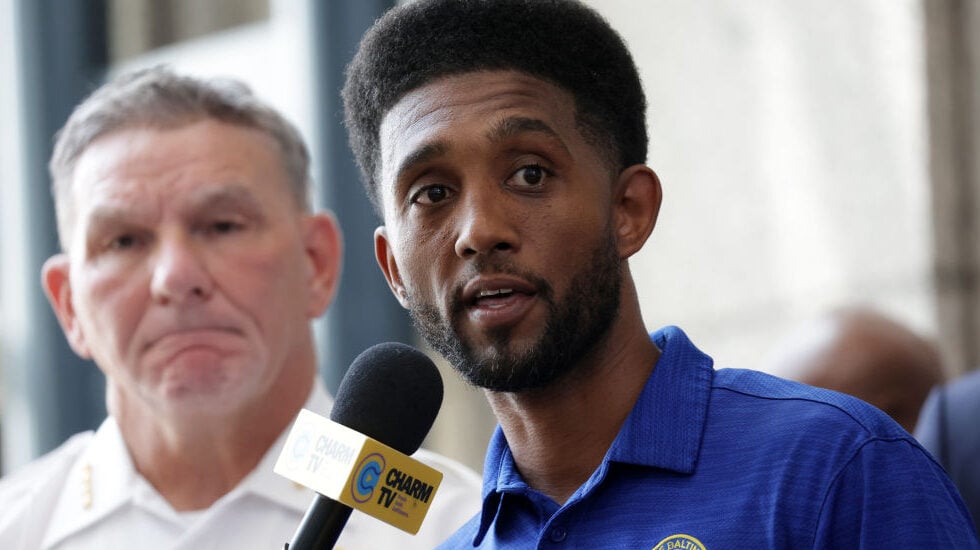
    In a powerful display of resilience, Baltimore Mayor Brandon Scott has shared a deeply disturbing racist voicemail he received, underscoring the hateful rhetoric that often targets Black leaders, particularly those in urban centers. This comes as discussions about crime in cities led by Black mayors intensify, fueled by national political discourse.

    A Voicemail Filled with Hate

    Mayor Scott posted a video on his Instagram page, wearing a shirt that read, “Blackness Today, Blackness Tomorrow,” to share the uncensored message. The voicemail, received in July, features an unidentified man spewing vile racist slurs and accusations against the 41-year-old mayor. The caller referred to Scott as a “f—king n—-r wanna be thug a– gangster” and claimed Baltimore is a “piece of worthless s–t” run by criminals.

    The caller continued with aggressive and hateful language, accusing Scott of profiting from crime and calling him a “wannabe Kingpin.” The message concluded with a barrage of slurs and a disturbing suggestion for the mayor and his associates to commit suicide. Scott noted that while this isn’t the first time he’s been called the n-word, he views such messages as a sign that he’s effectively doing his job.

    Pride in Blackness and Progress

    Scott, who recently celebrated Baltimore achieving a nearly 50-year low in homicides, pushed back against criticisms, particularly those from President Trump who had previously called the city “so far gone.” Scott emphasized his administration’s commitment to improving Baltimore for its Black residents, acknowledging the city’s history as the “birthplace of redlining” and highlighting investments in historically disinvested neighborhoods.

    He proudly stated, “We are a Black city, Blickety Blickety Black, as I say. We’re proud of that.” Scott clarified that their approach to crime reduction is “smart on crime,” which he believes yields better results than past “tough on crime” methods. He also refuted the voicemail’s suggestion that he is a criminal, stating, “I have never been a criminal, contrary to popular beliefs of these racist idiots.”

    Context of National Discourse

    The sharing of this voicemail comes amid a broader political narrative surrounding crime in urban areas, particularly those led by Black mayors. President Trump’s federal intervention in Washington D.C.’s crime situation has amplified these discussions. However, data from D.C.’s Metropolitan Police Department indicates crime there has reached a 30-year low, mirroring similar crime reduction trends in other major cities like Chicago and Los Angeles, often led by Black mayors and frequently targeted by Republican rhetoric.

    What are your thoughts on Mayor Scott’s decision to share the voicemail and his message about Baltimore’s progress? Share your views in the comments below!

  • Trump Vows to End Mail-In Ballots by 2026

    Get ready, because Donald Trump is back with a familiar message, this time setting his sights on mail-in ballots and voting machines. He’s declared his intention to lead a movement to eliminate them before the 2026 midterm elections, asserting that the entire U.S. voting system is rigged.

    Trump’s Claims About Voting Integrity

    In a fiery statement, Trump didn’t hold back, calling mail-in ballots a “scam” and highly inaccurate, expensive, and controversial voting machines “a total disaster.” He argues that America is behind other nations that have abandoned these methods due to massive fraud. Trump also tied his claims to broader cultural issues, criticizing Democrats for policies like “open borders” and “men in women’s sports.”

    “ELECTIONS CAN NEVER BE HONEST WITH MAIL IN BALLOTS/VOTING, and everybody, IN PARTICULAR THE DEMOCRATS, KNOWS THIS,” Trump stated emphatically. His message is clear: if he has his way, mail-in ballots and current voting machines will be a thing of the past.

    Potential Executive Action and Impact

    Trump isn’t just talking; he’s promising action. He plans to sign an executive order banning mail-in ballots and voting machines, advocating instead for watermarked paper ballots that he claims are unforgeable. He also asserted that states must follow federal directives on elections, stating, “They must do what the Federal Government, as represented by the President of the United States, tells them…”

    If Trump were to implement such changes, it could drastically alter how millions of Americans vote. Mail-in ballots saw a significant surge in use during the pandemic and remain a crucial voting method for seniors, individuals with disabilities, and military personnel serving abroad. Removing this option could disenfranchise many voters and likely trigger a wave of legal challenges before the 2026 elections even begin.

    What do you think about Donald Trump’s stance on mail-in ballots and voting machines? Let us know your thoughts in the comments below!

  • D.C. Restaurants See Reservation Drop After Trump’s Crackdown

    Washington D.C. is not only experiencing political shifts but also economic ones, following Donald Trump’s assertive actions to address the city’s crime rates. While the intention was to bolster public safety, the move has inadvertently led to a noticeable downturn in business for local restaurants.

    A Steep Decline in Dining

    Data from OpenTable reveals a sharp drop in restaurant reservations shortly after federal forces, including the National Guard, were deployed to patrol the streets. On the Monday of the intervention, D.C. restaurants saw a 16% decrease in seated diners compared to the previous year. This trend worsened by Wednesday, with reservations plummeting by a staggering 31%.

    Even by Saturday, despite a slight recovery, reservation numbers remained significantly down, still showing a 20% decrease from the same period last year. This indicates a clear reluctance among people to dine out in the city amidst the heightened federal presence.

    Resident Concerns and D.C. Statehood

    The federal takeover has not gone unnoticed by D.C. residents, many of whom have voiced their displeasure through protests, particularly in the northwest neighborhoods. Demonstrators have actively protested the sudden police control, expressing their opposition to decisions being made without their consent.

    This controversy has also reignited the conversation around D.C. statehood. Residents without voting representation in Congress feel that such significant decisions are being imposed upon them, highlighting a lack of autonomy and a desire for self-governance.

    What are your thoughts on how these federal actions have impacted D.C. businesses? Share your views in the comments!

  • Trump Claims D.C. is ‘Safe,’ But Data Shows Otherwise

    President Donald Trump recently declared Washington D.C. “safe again” just a week after announcing a federal crackdown on crime in the nation’s capital. Citing calls from Democrats and others who have reportedly returned to dining out in the city, Trump claimed his actions, including deploying 800 National Guard troops and federalizing the local police, have dramatically improved safety.

    Contradictory Data on D.C. Safety

    However, the narrative of a revitalized D.C. dining scene doesn’t align with the latest data. Despite the President’s claims that restaurants have become “busier” since the crackdown began on August 11, reservation statistics paint a starkly different picture. OpenTable data reveals a significant drop in diners, with reservations down 25% following the announcement.

    The numbers show a clear negative trend: reservations were 27% below 2024 levels the day after Trump’s announcement, and by Wednesday, August 13, they had fallen by 31%. Even by Monday, despite the President’s optimistic statements, reservations remained 20% lower than the previous year.

    Local Officials Disagree with Claims

    D.C. Mayor Muriel Bowser has publicly refuted Trump’s claims, stating that “the facts on the ground don’t support this.” She questioned the logic behind deploying the military to police American citizens and emphasized that the city’s violent crime rates have actually declined to a 30-year low, according to the Metropolitan Police Department.

    Democratic strategist Joel Payne criticized the President’s actions as “stunt tactics in search of a crisis” and “political theater.” Payne suggested that instead of deploying military forces, Republicans could focus on reversing budget cuts to D.C. or supporting statehood, which he believes would offer more sustainable solutions. The deployment, he argued, serves as a pretext for potential authoritarian overreach in other areas.

    Do you believe President Trump’s actions have made D.C. safer? Share your thoughts in the comments below!

  • Indiana Woman Arrested for Trump Kidnap Plot

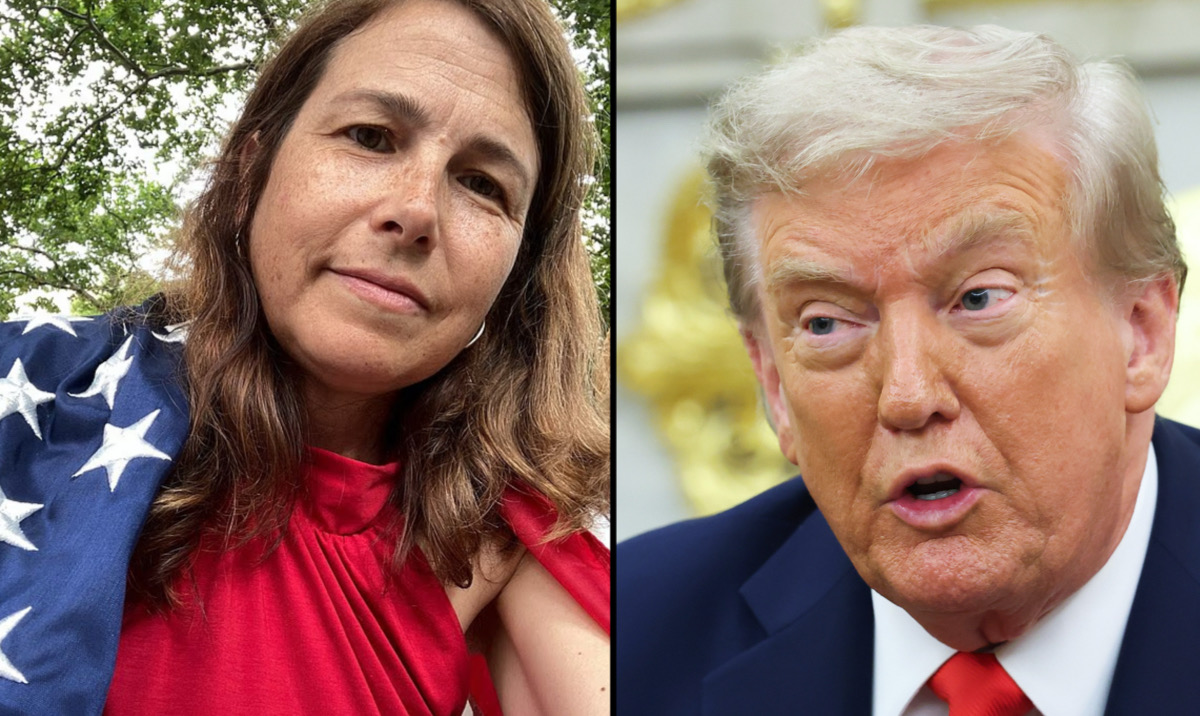
    In a shocking turn of events, a 50-year-old woman from Indiana has been arrested in Washington D.C. after allegedly traveling with the intent to kidnap and assassinate former President Donald Trump. Nathalie Rose Jones reportedly made her intentions crystal clear before making the journey.

    Threats Made Public

    According to federal investigators, Jones didn’t shy away from expressing her alleged plans. She posted threats against Trump on Facebook, even tagging the FBI. One disturbing post reportedly read: “I am willing to sacrificially kll this POTUS by disemboweling him and cutting out his trachea with Liz Cheney and all The Affirmation present.”

    Her social media history further revealed strong anti-Trump sentiments, with Jones labeling him a terrorist and his administration a dictatorship. She also accused him of causing significant loss of life during the coronavirus pandemic.

    Serious Charges Filed

    As a result of her alleged actions, Nathalie Rose Jones faces severe charges. A criminal complaint filed in U.S. District Court accuses her of threatening to kill, kidnap, or inflict bodily harm on the President of the United States. She has also been charged with transmitting threats across state lines, highlighting the seriousness of her alleged intent.

    Swift Prosecution Promised

    This case is being handled by the U.S. Secret Service, with Assistant U.S. Attorney Josh Satter leading the prosecution. U.S. Attorney Jeanine Pirro emphasized the gravity of threatening a president, stating, “Threatening the life of the President is one of the most serious crimes and one that will be met with swift and unwavering prosecution.”

    The swift action and strong words from federal authorities underscore the commitment to protecting national leaders. This incident serves as a stark reminder of the legal consequences for making threats against public officials.

    What are your thoughts on the legal ramifications of threatening public officials? Share your opinions in the comments below!
  • Tiffany Haddish Roasts Trump in Hilarious Monologue

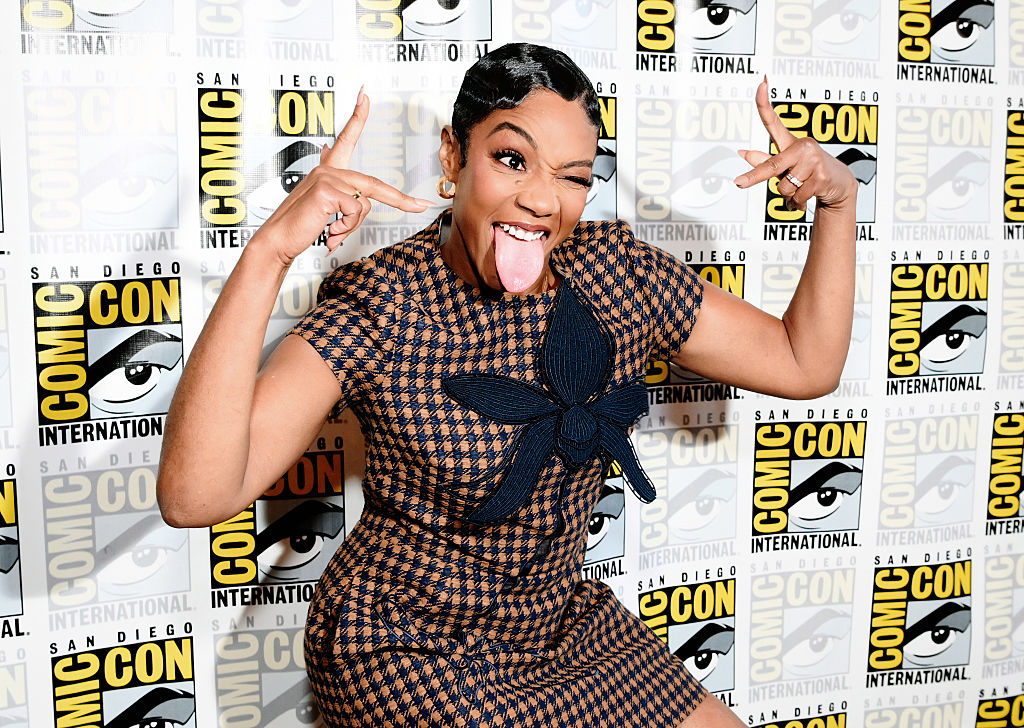
    Get ready to laugh! Tiffany Haddish, known for her infectious energy and no-holds-barred comedy, recently took the stage as a guest host on Jimmy Kimmel Live. And let’s just say, she didn’t hold back when it came to playfully roasting none other than President Donald Trump.

    Haddish Announces Fictitious Presidential Run

    During her opening monologue, Haddish announced her own, shall we say, *unique* presidential campaign for 2028. She hilariously declared her qualifications, stating, “I’m rich, I’ve been arrested a few times, and I always say crazy sh*t.” The audience erupted in applause, clearly loving her candid approach.

    With a “Haddish 2028” podium making a grand entrance, Haddish laid out her vision for the country. It seems her presidency would come with some rather unconventional, yet undeniably funny, policies.

    Campaign Promises with a Comedic Twist

    One of her standout campaign promises? Making credit scores a mandatory part of dating profiles. “If you can’t handle your business, you ain’t touching my business,” she quipped, drawing more cheers. It’s a bold statement that definitely got people talking!

    Haddish also cleverly contrasted her comedic approach with past presidencies. “We’ve had an actor as president, a reality host president, but now it’s time to elect a comedian,” she declared. “Finally, a president who’s funny on purpose, most of the time.”

    Why This Matters: Comedy as Commentary

    It’s moments like these that highlight the power of comedy in social and political commentary. Haddish, without even naming names, managed to deliver sharp observations that resonated with her audience. Her ability to blend personal anecdotes with broader societal points is what makes her such a beloved comedian.

    This guest-hosting gig not only showcased Haddish’s comedic genius but also her knack for connecting with viewers on a relatable level. It’s a reminder that sometimes, the best way to process current events is with a good laugh.

    What did you think of Tiffany Haddish’s hilarious monologue? Share your favorite moments in the comments below!

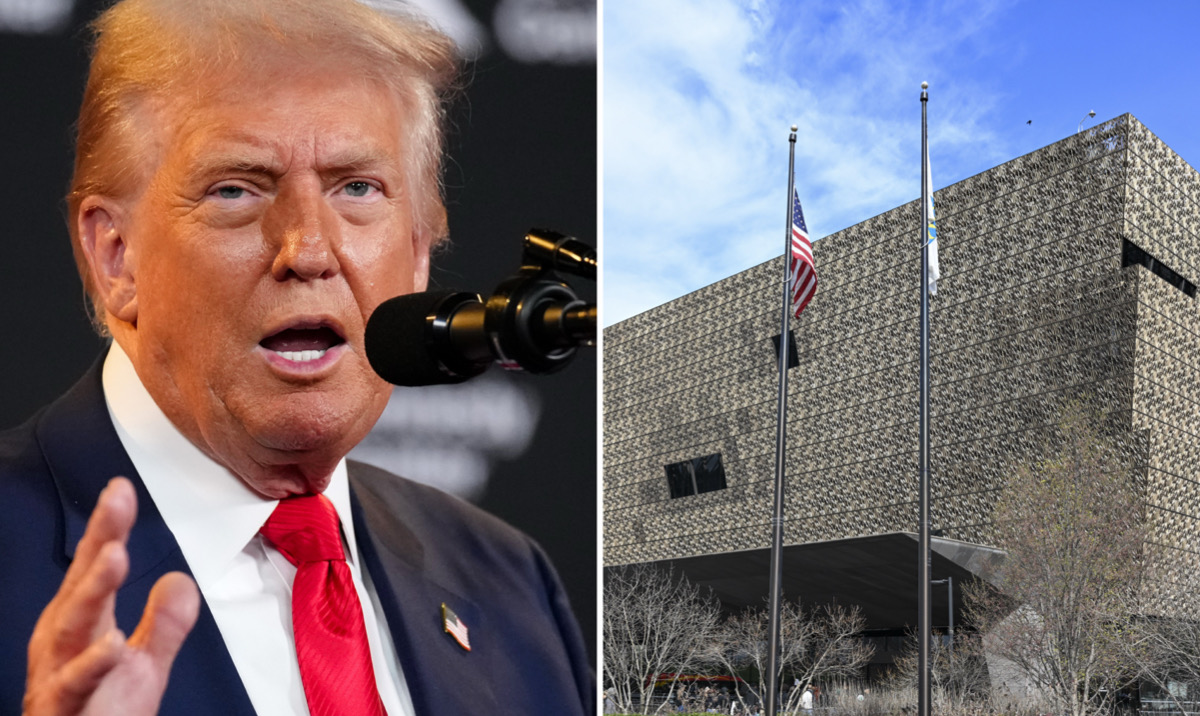
  • Trump Targets Smithsonian Over ‘Woke’ History

    Donald Trump has once again waded into the cultural wars, this time setting his sights on the Smithsonian museums. In a recent Truth Social post, the former president declared the museums “out of control” and criticized their perceived overemphasis on slavery and other negative elements of American history, stating they are a “segment of ‘WOKE.’” He has reportedly ordered his attorneys to conduct a thorough review.

    Critique of Historical Narratives

    Trump’s statement expressed frustration that the museums, in his view, focus excessively on “how horrible our Country is, how bad Slavery was, and how unaccomplished the downtrodden have been.” He contrasted this with a desire for more content celebrating the nation’s successes and future potential. “This Country cannot be WOKE, because WOKE IS BROKE,” Trump wrote, asserting that the focus should be on America being the “‘HOTTEST’ Country in the World.”

    This criticism aligns with Trump’s broader pattern of targeting institutions he labels as “woke.” His administration has previously focused on schools and universities, advocating for a curriculum that emphasizes national pride and downplays historical injustices. The call for a review of the Smithsonian’s exhibits suggests a desire to reshape how American history is presented.

    The Importance of Comprehensive History

    The Smithsonian Institution, comprising 21 museums, galleries, and the National Zoo, holds over 155 million artifacts that document the entirety of the American experience. Institutions like the National Museum of African American History and Culture play a crucial role in understanding how slavery, segregation, and systemic racism have shaped the nation. These exhibits not only highlight historical pain but also celebrate resilience, culture, and achievement.

    Critics argue that attempting to remove or downplay narratives about slavery and racial injustice from these historical accounts is not about balancing the narrative but about revisionism. Such actions risk presenting a sanitized version of history, potentially leaving future generations with an incomplete understanding of the country’s past and the progress made.

    By attacking the way museums tell history, Trump risks erasing critical historical context in favor of a more palatable, feel-good narrative. This approach could lead to a future where history is shaped by political agendas rather than factual accuracy, potentially making the nation appear fearful of its own truth.

    What are your thoughts on Donald Trump’s comments about the Smithsonian museums? Do you believe museums should focus more on national successes, or is it essential to confront difficult historical truths? Share your opinions in the comments below!