Tag: Civil Liberties

  • Marco Rubio Passport Power: New Bill Sparks Rights Fears

    Imagine this: you’re an American citizen, and suddenly, your ability to travel abroad is on the chopping block. That’s the chilling possibility raised by a new bill making its way through Congress, and it has civil liberties advocates sounding the alarm about potential impacts on fundamental rights.

    What’s This New Bill All About?

    The proposal, officially known as the Department of State Policy Provisions Act (H.R. 5300), was introduced by Rep. Brian Mast. At its core, the bill aims to grant the Secretary of State – currently Florida Senator Marco Rubio – the authority to deny or revoke U.S. passports. The condition? If a citizen is accused of providing ‘material support’ to organizations designated as foreign terrorist groups.

    On the surface, this might seem like a necessary security measure in today’s complex world. However, the devil, as they say, is in the details – or in this case, the vague language.

    Concerns Over Vague Language and Free Speech

    Civil liberties groups are deeply concerned that the bill’s broad and undefined terms could inadvertently ensnare ordinary Americans. Think about it: what exactly constitutes ‘material support’? This ambiguity could potentially put everyday citizens at risk if their political activism, advocacy efforts, or even their public statements are misinterpreted or deemed unfavorable by the government.

    The worry is amplified when considering the geopolitical landscape, particularly concerning Israel. Many fear that the bill could be weaponized against U.S. citizens who voice criticism of Israeli government policies, especially given the frequent designation of Palestinian groups as terrorist organizations. This raises serious questions about the protection of First Amendment rights.

    Unchecked Power and Constitutional Worries

    Experts are warning that this legislation could grant an unprecedented amount of unchecked power to a single government official. The idea of losing your passport – a fundamental document for international travel – over what could be construed as political speech is a significant departure from established rights.

    The possibility of losing your passport over political speech means the first amendment is done. — Baller Alert Article Analysis

    While the bill is currently just a proposal, its implications are far-reaching. It highlights a critical tension between national security and individual liberties, prompting a vital conversation about how far government power should extend in regulating citizens’ rights.

    What are your thoughts on this new bill and its potential impact on passport rights and free speech? Share your perspective in the comments below!

  • Supreme Court Allows Race in LA Immigration Patrols

    In a significant decision that’s raising alarms, the Supreme Court has sided with the Trump administration, allowing federal immigration patrols in Los Angeles to resume with fewer restrictions. This 6-3 ruling means that factors like appearance, language, and location can now be considered when immigration officers decide to stop and question individuals. While the Court stated race can’t be the *sole* reason for a stop, it can be part of the overall circumstances.

    Broader Discretion for Immigration Officers

    Justice Brett Kavanaugh, writing for the majority, explained that officers need multiple indicators to make decisions. He defended the idea that characteristics like how someone looks or the language they speak could be valid parts of these indicators. This decision effectively restores broader discretionary powers to immigration authorities, powers that had been limited by lower courts due to concerns about profiling and discrimination.

    This shift grants immigration officers more leeway in conducting their patrols, potentially leading to more frequent stops and questioning of individuals within the Los Angeles area. The implications for the city’s diverse population are significant.

    Dissenting Voices Raise Concerns of Profiling

    Justice Sonia Sotomayor penned a powerful dissent, warning that the ruling essentially gives federal officers the green light to target individuals perceived as Latino in Los Angeles. She argued, “This ruling tells communities in Los Angeles that if you look Latino, speak Spanish, and appear to work a low-wage job, you can be stopped. That is not consistent with the Fourth Amendment.”

    Justices Elena Kagan and Ketanji Brown Jackson joined Sotomayor in her dissent, echoing concerns that the Supreme Court’s decision could undermine essential protections against unreasonable searches and seizures. Their dissents highlight the deep division on the Court regarding the balance between immigration enforcement and civil liberties.

    Outrage and Celebration: Divided Reactions

    The decision has ignited a firestorm of reactions. Immigrant rights groups and civil liberties organizations in Los Angeles are decrying the ruling, arguing it opens the door for widespread racial profiling under the guise of immigration enforcement. They fear this will create a climate of fear, discouraging millions of immigrants, many of whom are Latino, from participating in public life, working, or even speaking Spanish.

    Conversely, supporters of the Trump administration and stricter immigration policies are celebrating the decision as a victory. They argue that immigration officers need this flexibility to effectively combat undocumented migration, which they view as a crisis spilling over from the southern border into cities like Los Angeles. The ruling is seen as a return to a more aggressive enforcement strategy.

    What are your thoughts on the Supreme Court’s decision regarding immigration patrols in Los Angeles? Do you believe it strikes the right balance, or does it open the door to profiling? Share your views in the comments below!

  • Chicago Mayor Limits Federal Troops with Executive Order

    Chicago Mayor Brandon Johnson has taken a firm stance against potential federal intervention, signing an executive order aimed at limiting the presence and actions of federal troops within the city. The order, titled the “Protecting Chicago Initiative,” seeks to ensure federal agents adhere to municipal policing roles and that citizens are informed of their rights should federal deployments occur.

    A United Front Against Federal Intervention

    This move comes as Mayor Johnson and Illinois Governor JB Pritzker have presented a united front in resisting federal overtures regarding crime in Chicago. Johnson expressed urgency, stating, “We have received credible reports that we have days, not weeks, before our city sees some kind of militarized activity by the federal government.” He emphasized that the city does not want to see “tanks in our streets” or families “ripped apart.”

    The executive order directs the city’s Department of Law to explore all legal avenues to resist federal actions that may overstep local authority. Naval Station Great Lakes, located near Chicago, is expected to serve as a staging or command center for federal agents, with troops anticipated to arrive by September 5th.

    Accountability Measures and Legal Questions

    The order includes specific measures to hold federal agents accountable. If federal agents deviate from guidelines similar to those followed by Chicago’s police force, Johnson plans to take legal action. This could include requiring federal agents to wear identifiable items like masks, body cameras, badges, and uniforms during engagements with citizens, and potentially withdrawing support from the Chicago Police Department for federal or military units.

    However, legal scholars like Julian Davis Mortenson from the University of Michigan raise questions about the extent to which a local government can impose its laws on federal operations. While acknowledging the order’s thoughtful nature, Mortenson notes the legal complexities of a state or city seeking to enforce municipal law on federal law enforcement activities, particularly if the federal authority is deemed valid.

    Despite these legal considerations, Mayor Johnson positions himself as a defender against what he describes as an “increasingly authoritarian and fascist federal government.” He asserted, “This executive order makes it emphatically clear this president is not going to come in and deputize our police department. We do not want to see tanks in our streets… And I don’t take orders from the federal government.”

    Broader Calls for Action

    Esiah Campos, a Lake County commissioner, echoed the sentiment, calling for state lawmakers and local mayors to ban the practice of housing ICE and Homeland Security agents who might “terrorize our people.” Campos stressed the need for action over mere statements, highlighting the personal impact of such policies on communities.

    What are your thoughts on Mayor Johnson’s executive order? Do you believe local governments should have the power to limit federal troop presence? Share your views in the comments below!

  • Obama Warns Against Trump’s Militarized Policing

    Former President Barack Obama is speaking out against what he sees as dangerous trends in law enforcement and federal intervention under the Trump administration. Specifically, Obama is warning about the militarization of police forces and the deployment of federal troops in American cities, actions he believes put the liberties of all citizens at risk.

    Concerns Over Federalization and Militarization

    Obama shared an interview with journalist Radley Balko, a recognized expert on policing and criminal justice, highlighting the potential dangers of these practices. Balko, author of “Rise of the Warrior Cop: The Militarization of America’s Police Forces,” argues that President Trump’s actions, such as using the D.C. Metropolitan Police Department during a declared “crime emergency” and deploying troops to Washington D.C. and Los Angeles, are part of a larger pattern.

    Balko suggests that these responses are often to “manufactured crises,” noting that while crime is a real issue, the current level of federal intervention may not reflect an actual emergency. He has observed trends over two decades indicating that police agencies are becoming “too militarized, too aggressive and too us versus them,” a shift visible not only in equipment but also in mindset.

    Loyalty Over Independent Oversight

    Further complicating the issue, Balko points out President Trump’s focus on expanding agencies like ICE and U.S. Customs and Border Patrol, while potentially cutting funds for more independent bodies like the FBI, ATF, and DEA. He posits this is because agencies perceived as more loyal to “Trumpism” are being prioritized. “I think this is an effort to build up the two federal policing agencies that Trump sees as most loyal and deferential to him,” Balko told The New York Times.

    This strategy raises concerns about the creation of a “personal paramilitary force” loyal only to the president, a situation that historically has not ended well for nations. Obama echoed these sentiments in his post, stating, “The erosion of basic principles like due process and the expanding use of our military on domestic soil puts the liberties of all Americans at risk, and should concern democrats and republicans alike.”

    Historical Context and Accountability

    Balko also noted that periods of expanded police militarization in U.S. history have often targeted Black, brown, and immigrant communities, frequently in response to perceived threats like the crack epidemic or post-9/11 attacks. The lack of accountability for federal agents, especially when coupled with statements like Trump’s that officers could “whatever the hell they want,” is another major concern. With limited avenues for civil liability or criminal charges against federal officers, public scrutiny and “social shaming” are presented as the primary means of seeking accountability.

    What are your thoughts on the increasing militarization of police forces and the use of federal agents in domestic matters? Share your views in the comments below.

  • Trump Joins D.C. Patrol Amid Checkpoint Crackdown

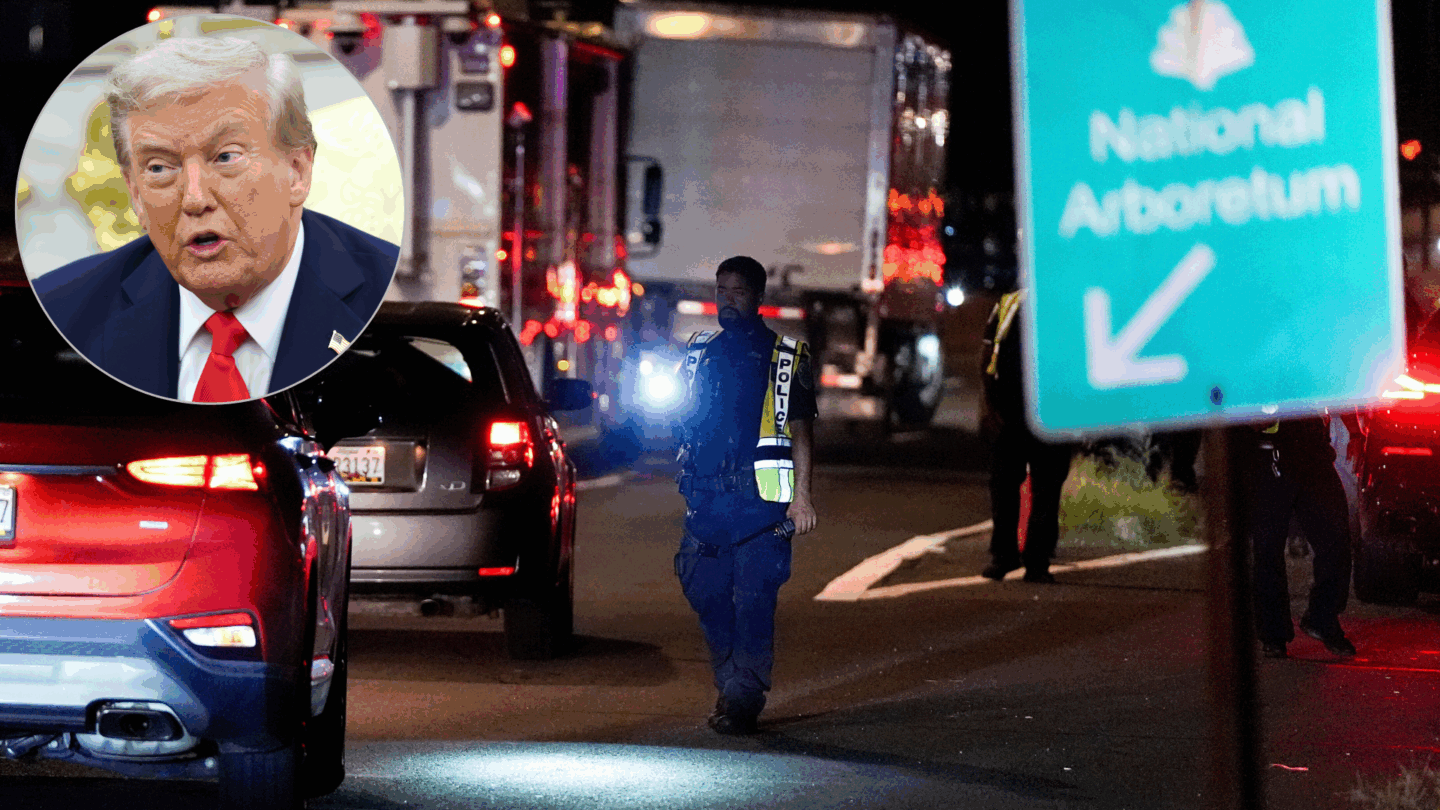
    President Donald Trump announced plans to join federal patrols in Washington D.C. this Thursday evening, marking a significant escalation in his administration’s controversial two-week crackdown. The deployment of federal agents and National Guard soldiers has led to the establishment of checkpoints throughout the city, raising concerns among residents and legal experts about immigration enforcement and civil liberties.

    Heightened Federal Presence and Resident Concerns

    Hundreds of federal agents and National Guard troops have been deployed to the capital, creating tense confrontations and leaving some residents on edge. Vice President JD Vance and Defense Secretary Pete Hegseth visited troops at Union Station to show support, while protestors chanted “free D.C.” Despite statistics indicating a decline in crime prior to Trump’s intervention, the immigration enforcement aspect of the crackdown has particularly unsettled neighborhoods. A local daycare experienced a partial closure due to staff fears about federal agents nearby, prompting administrators to advise parents to keep children home if possible. Other daycares have suspended outdoor activities due to concerns about encountering law enforcement.

    Since the surge of federal agents began on August 7th, the White House reports 630 arrests, including 251 individuals who are in the country illegally. Trump has intensified the pressure by reportedly seizing control of the D.C. police department and deploying additional National Guard troops, primarily from Republican-led states. While soldiers are largely concentrated in downtown areas like the National Mall and transit stations, federal agents are operating more broadly across the city.

    Legality and Constitutionality of Checkpoints

    D.C. Mayor Muriel Bowser acknowledged the increased frequency of traffic checkpoints, noting that the surge in federal officers allows for “different types of deployments, more frequent types of deployments, like checkpoints.” However, the legality and nature of these stops are being questioned. Martin Romero, a construction worker, described being stopped at what he initially thought was a normal traffic stop, only to find U.S. Park Police checking commercial vehicles, followed by U.S. Immigration and Customs Enforcement (ICE) agents inquiring about their origins and immigration status. Romero expressed nervousness, stating, “We just came here to work. We aren’t doing anything bad.” Two individuals in his truck were detained without explanation, and he witnessed others being taken from different vehicles.

    Legal experts weigh in on the constitutionality of such checkpoints. Jeffrey Bellin, a law professor specializing in criminal law, noted that while checkpoints for specific purposes like border control or DUI checks are upheld by the Supreme Court, they cannot be used as a “subterfuge” for general crime control. He expressed doubt that the authority to question drivers about immigration status at the border extends to Washington D.C. Anthony Michael Kreis, another law professor, suggested that the “arbitrary” and intrusive nature of these checkpoints in the capital could lead residents to feel aggrieved, fostering suspicion for valid reasons.

    This crackdown in D.C. mirrors similar enforcement actions seen in areas like Los Angeles, where immigration officers have maintained a visible presence at locations like Home Depots and car washes. The heightened enforcement has impacted daily routines, even leading a bishop in San Bernardino, California, to excuse parishioners from their weekly Mass obligation due to immigration agents detaining individuals on parish properties. While a federal judge previously blocked indiscriminate immigration stops in Southern California, authorities have indicated a continued commitment to enforcement.

    What are your thoughts on the use of checkpoints and increased federal presence in cities? Share your opinions in the comments below!