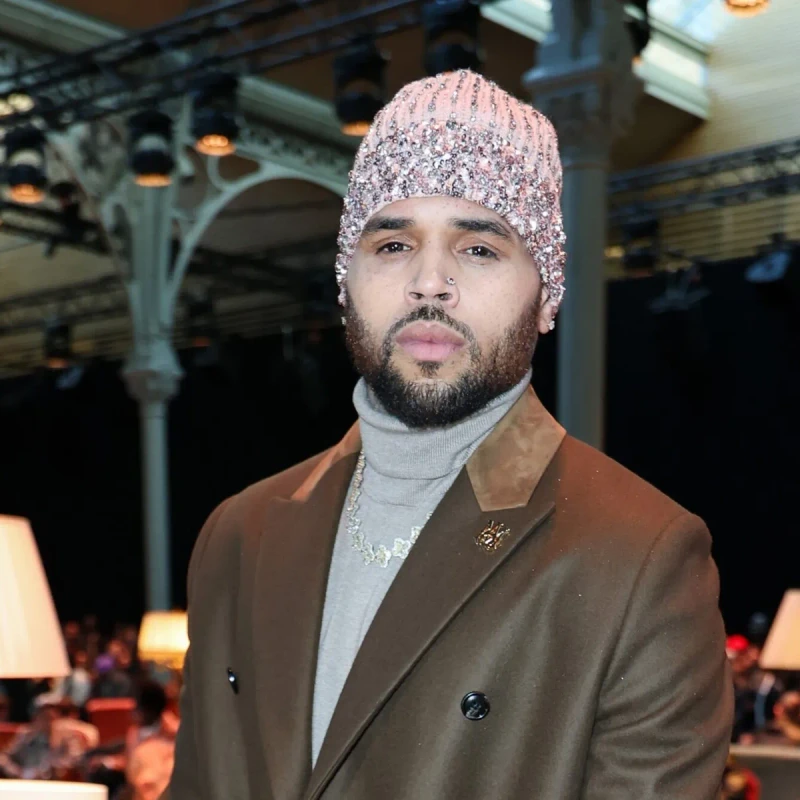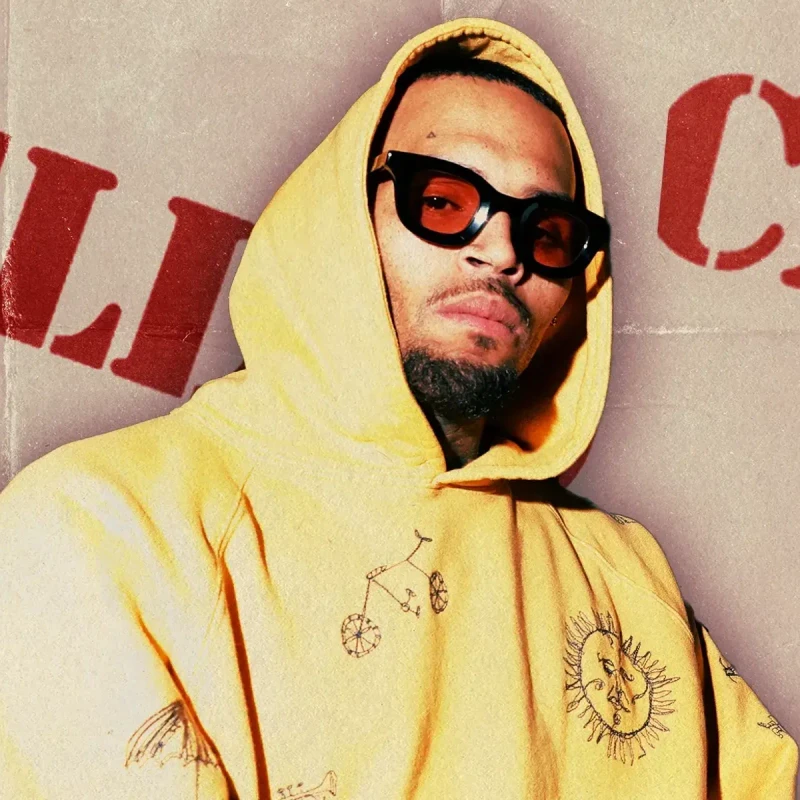
It’s a question that pops up every few years, especially when a major tour or new album drops: How is Chris Brown still so relevant? With the recent announcement of the ‘Raymond & Brown Tour’ alongside Usher, the conversation around cancel culture and accountability has reignited, dividing opinions faster than you can say ‘Breezy.’
For many, seeing Brown’s name attached to another massive arena run sparks the familiar debate. It seems no matter how much time passes, the controversies surrounding him – from the 2009 assault case involving Rihanna to restraining orders and numerous other allegations – are never far behind. Yet, his career continues to thrive.
The Unshakeable Presence in Music
Despite the persistent public scrutiny, Chris Brown’s concerts and tours consistently sell out. His social media pages are flooded with fan engagement, and even his high-priced meet-and-greets continue to be a hot commodity. His albums rack up millions of streams, and fellow artists still eagerly collaborate with him.
This enduring popularity creates a fascinating contradiction. While public outrage often surrounds him, so does immense public demand. The question isn’t just about whether he *should* be canceled, but whether he *can* be, when the industry and a significant portion of the audience seem unwilling to let him go.
A History That Won’t Fade
The dialogue surrounding Chris Brown inevitably circles back to pivotal moments. The 2009 felony assault plea after attacking Rihanna remains a defining event, permanently altering his public perception. Later, in 2017, Karrueche Tran was granted a restraining order after testifying about physical abuse and death threats, reopening discussions about how quickly public sympathy seemed to reset.
Over the years, he’s faced multiple allegations of assault and sexual misconduct, alongside lawsuits and public disputes that have cemented an image often associated with violence and instability. Even recent incidents, like legal action connected to a serious injury on his property involving his dogs, add to this complex narrative.
The Industry’s Enduring Embrace
What truly complicates the conversation is the music industry’s persistent support. Despite years of backlash and controversy, doors have remained open. The Raymond & Brown Tour with Usher isn’t an isolated event; it signifies industry confidence and a belief that audiences will still turn up in massive numbers.
Artists across genres continue to collaborate with Brown, each alignment reigniting debates about accountability. While critics might point to repetitive album structures, this rarely seems to impact his dedicated fanbase. In past eras, such sustained criticism could cripple an artist’s visibility, but Brown has largely maintained his platform.
The Unwavering Fan Base
A significant reason for Chris Brown’s commercial resilience is his loyal fan base. This support has weathered scandals, lawsuits, and years of online debate. For many, especially millennials, songs like ‘Run It!’ and ‘With You’ are deeply tied to their formative years, creating an emotional connection that’s hard to break.
His loyalists often frame him as unfairly targeted, arguing that the outrage directed at him is selective compared to other artists facing similar accusations. They actively defend him online, dismiss criticism, and often choose to separate the art from the artist, believing the backlash has become performative.
The Contradiction Continues
Adding fuel to the fire, Brown often engages directly with criticism. When backlash mounted over the Usher tour, he responded on social media, dismissing what he called ‘rage bait pages’ and ‘fake woke’ outrage. This pattern of pushing back against critics, while supporters argue for his right to move on, is a hallmark of his public persona.
Ultimately, Chris Brown occupies a unique space. He remains one of R&B’s most criticized figures, yet also one of its most commercially durable. The outrage may never fully disappear, but neither will the dedicated support. It’s a complex dynamic that continues to define his career.
What are your thoughts on Chris Brown’s career and the ongoing debate around cancel culture? Share your perspective in the comments below!