Tag: Ayanna Pressley

  • Pressley, Advocates Slam Trump’s “Attack” on Black Economy

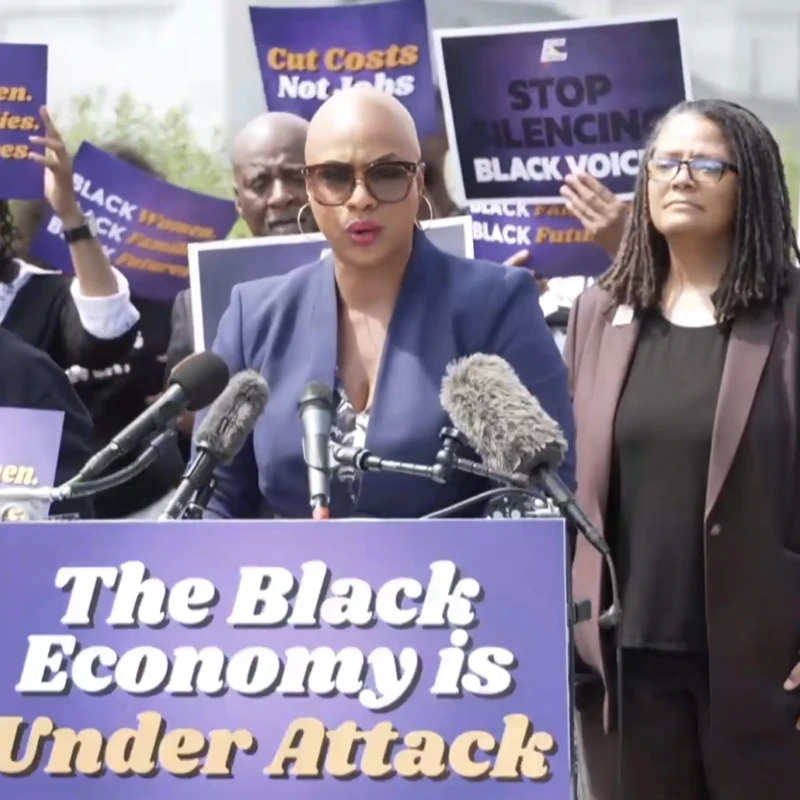
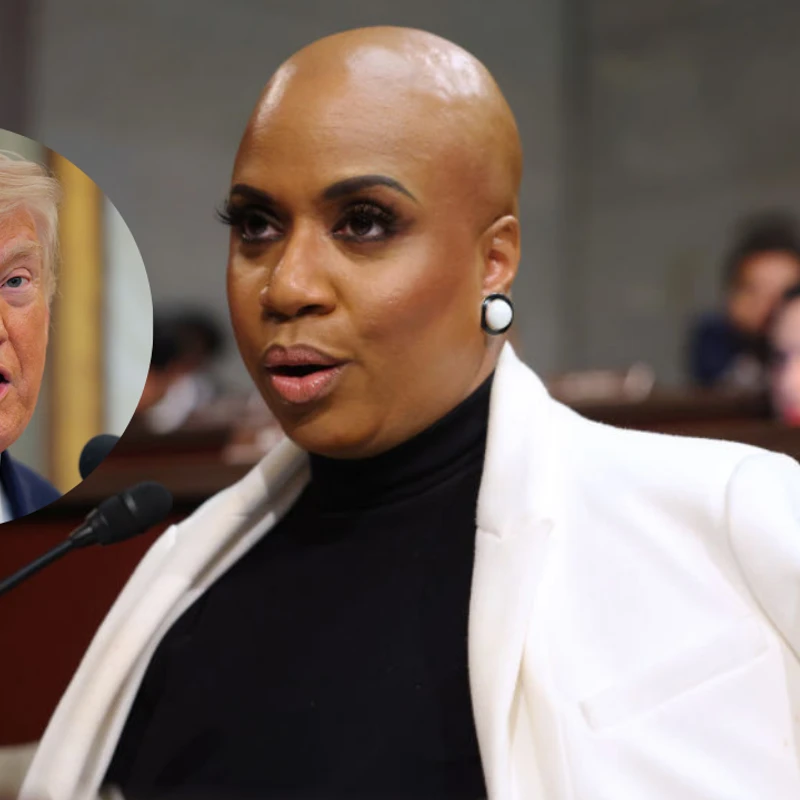
    Racial justice advocates and U.S. Rep. Ayanna Pressley are sounding the alarm, calling the Trump administration’s policies a direct “attack on the Black economy.” Descending on Capitol Hill, they highlighted rising Black unemployment rates and the disproportionate impact of the affordability crisis on Black communities, arguing that specific policies are deliberately causing harm.

    Policies Under Fire

    During a press conference hosted by Rep. Pressley (D-Mass.), coalition groups including the NAACP, Color of Change, the National Urban League, and The Joint Center for Political and Economic Studies voiced their concerns. They pointed to the administration’s significant cuts to the federal workforce, its anti-Diversity, Equity, and Inclusion (DEI) agenda, and the rollback of civil rights enforcement as key drivers of economic hardship for Black Americans.

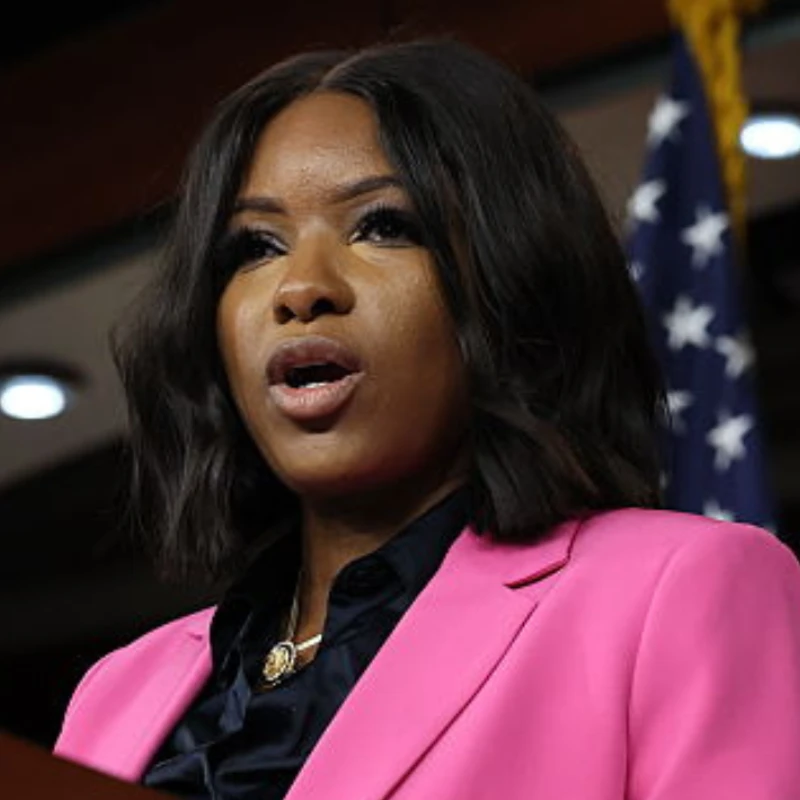
    “The state of the Black economy is under attack,” Pressley declared, emphasizing that these policies are exacerbating existing systemic economic harm and the current affordability crisis affecting everything from groceries to housing and gas prices. Participants held signs reading “Stop Silenceing Black Voices” and “Cut Costs. Not Jobs,” underscoring their message.

    Economic Realities vs. Administration Claims

    Nadine Smith, president and CEO of Color of Change, stated, “Black families across this country are being told to believe in an economy they cannot feel.” She stressed that people cannot be lied to about their financial realities, citing rising grocery bills, rent, and layoffs as evidence that the economy is not strong for many Black households. The numbers, she added, confirm the lived experiences of the community.

    Dedrick Asante-Muhammad, president of the Joint Center for Political and Economic Studies, presented findings from his organization’s report warning of a potential “Black recession.” He noted the attacks on programs designed to ensure equal opportunity and highlighted that by the end of 2025, Black unemployment had climbed to 7.5%, significantly higher than the national rate of 4.4% and white unemployment at 3.8%.

    Policy Choices and Proposed Solutions

    Asante-Muhammad also criticized Trump’s “One Big Beautiful Bill Act,” arguing it disproportionately benefits the wealthy while cutting investments in essential programs like Medicaid and nutrition assistance. He emphasized that policy choices create these outcomes and that different choices can lead to positive change, calling for policies that bridge past inequalities and foster future prosperity for all.

    When asked about priorities should Democrats regain control, Rep. Pressley advocated for massive investments in affordable housing, restoration of student debt cancellation, and rebuilding agencies that support Black-owned businesses. She also called for addressing algorithmic biases and restoring federal jobs denied to Black workers. Pressley refuted Trump’s claim that immigrants were taking “Black jobs,” asserting that the real culprits are policies enacted by figures like Trump and Elon Musk that have dismantled the federal workforce.

    Pressley further condemned the Trump DOJ’s actions against the Southern Poverty Law Center and current voting rights battles targeting majority-Black districts as attacks on Black infrastructure and the Black community as a whole. She urged people of all political affiliations, especially within the Democratic party, to “give a damn” and speak out unapologetically on issues affecting Black Americans.

    What are your thoughts on the current state of the Black economy and the policies being discussed? Share your views in the comments below.
  • Trump’s TPS Decision Could Worsen Caregiving Crisis

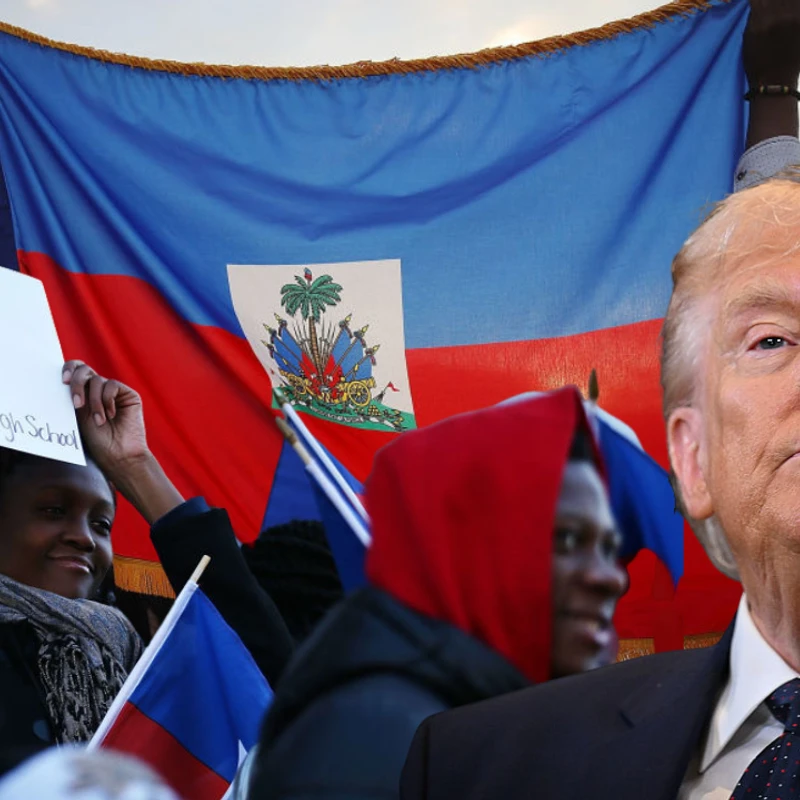
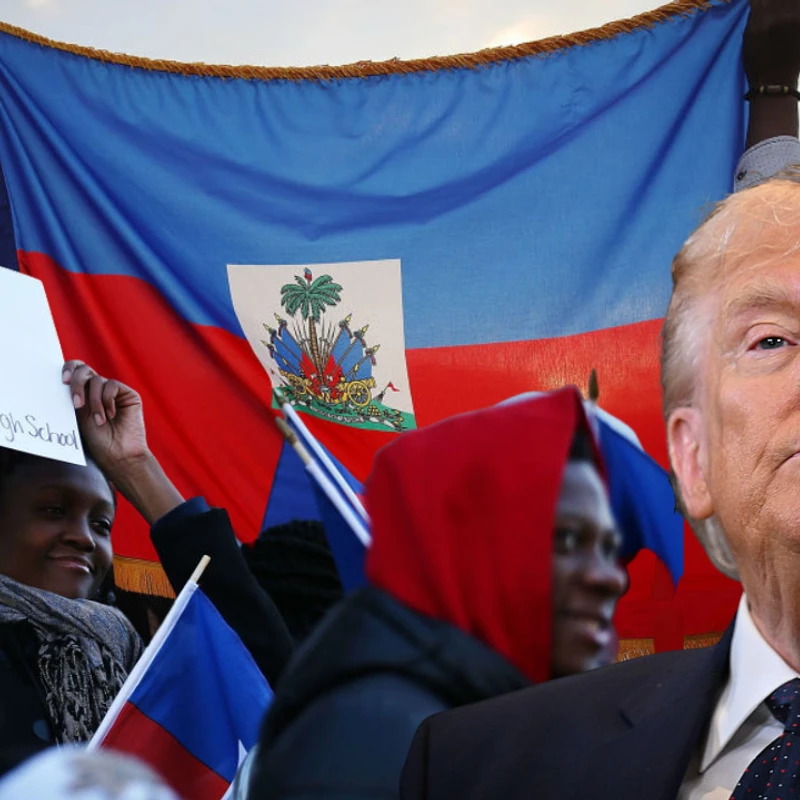
    A crucial Supreme Court case could soon determine the fate of approximately 350,000 Haitians living and working in the United States. If the court sides with the Trump administration’s decision to end Temporary Protective Status (TPS) for Haitian migrants, it could significantly worsen an already critical caregiving crisis across the nation.

    TPS: An Essential Lifeline Under Threat

    U.S. Representative Ayanna Pressley, a leading advocate for the Haitian community, emphasized the gravity of the situation. “This is a matter of life and death. This is an essential lifeline,” she told theGrio. Pressley highlighted that everyone, at some point, will need care, whether for illness, disability, or old age, underscoring the vital role TPS recipients play in providing this essential support.

    The Trump administration announced the termination of TPS for Haitians in November 2025, with the Department of Homeland Security citing that allowing them to live and work in the U.S. was “inconsistent with U.S. national interests.” Haitian migrants have held TPS status since a devastating earthquake struck Haiti in 2010, and subsequent crises, including political unrest and violence, have made returning to the country unsafe.

    Economic and Personal Impact of Deportation

    Advocates and healthcare professionals warn that deporting over a quarter-million Haitians would inflict severe harm, both economically and personally, on the United States. The healthcare industry, particularly elder care facilities, is already grappling with a shortage of workers. Forcing Haitians to leave would undoubtedly exacerbate this issue.

    Data from the Center for Economic and Policy Research indicates that a substantial portion of Haitian Americans, estimated between 21.3% and potentially as high as 40%, work in healthcare roles. These individuals serve as nurses, nursing aides, and other crucial hospital staff. Furthermore, Haitians reportedly contribute approximately $6 billion to the U.S. economy annually.

    Rising Costs and a Message to Immigrants

    Robert Liebrich, CEO of Goodwin Living, a senior living facility, explained that with an aging U.S. population and declining birth rates, the demand for long-term care is increasing. He noted that deporting a significant portion of the workforce would lead to “care inflation,” meaning higher costs for essential services. “It’s not a great idea when we’re trying to decrease costs in our country, to be taking away a workforce, a group of people that have shown themselves to be compassionate and interested to serve in this field,” Liebrich stated.

    Home care worker Athena Jones criticized the termination of TPS as an “attack on communities that are predominantly Black and brown immigrants.” She argued that the administration is sending a message that these individuals are “not wanted and that you do not belong,” impacting not just immigrants but the entire care system. Liebrich added that while President Trump may understand the need for a global workforce, ending TPS sends the wrong message, potentially deterring future immigrant workers.

    A Call for Justice and Economic Sense

    Rep. Pressley stressed that this essential labor cannot be replaced by AI and urged the Supreme Court justices and the U.S. Senate to reinstate TPS for Haitians. She pointed out that even Trump’s own Health and Human Services Secretary acknowledged the U.S. caregiving crisis, reinforcing the need for policies that are both just and economically beneficial for the country.

    What are your thoughts on the potential impact of ending TPS for Haitians? Do you believe the Supreme Court will rule in favor of reinstating the status? Share your views in the comments below.
  • Pressley: Trump ‘Traffics in Anti-Blackness’

    U.S. Representative Ayanna Pressley is calling out Donald Trump’s administration, stating that his policies and rhetoric “traffic hourly in anti-Blackness.” Speaking at a press conference on Capitol Hill, Pressley advocated for the protection of Temporary Protected Status (TPS) for Haitian and other migrants, urging for solidarity between Black communities and immigrants.

    Broken Promises and Economic Woes

    Pressley asserted that Trump has failed to keep his promises, particularly regarding his claims that immigrants were taking jobs from Black Americans. She pointed out that the Black unemployment rate has risen to 7.1%, a level not seen since the COVID-19 pandemic, even as Trump’s administration pursues strict immigration policies. “Donald Trump has not kept one word, one promise,” Pressley told theGrio.

    Instead of addressing affordability, Pressley argued, Trump is attacking civil liberties, civil rights, and the overall well-being of the nation. She highlighted the detrimental impact on the federal workforce and the potential dismantling of critical sectors like healthcare and caregiving if TPS is terminated for immigrants.

    The Impact of Anti-Blackness

    Pressley directly addressed the administration’s stance, stating, “When it comes to Black voters, listen, this is an administration that traffics hourly in anti-Blackness, and that must be named.” She refuted Trump’s narrative by explaining that it wasn’t immigrants taking jobs, but rather figures like Donald Trump and Elon Musk who, in the name of “efficiency,” pushed Black women out of the federal workforce.

    She further elaborated that Trump’s administration has dismantled, degraded, and defunded diversity, equity, and inclusion (DEI) initiatives, which has had a devastating effect on Black unemployment, particularly for Black women. Pressley emphasized that this is a crisis impacting Black families and futures.

    A Call for Solidarity

    Pressley appealed to Treasury Secretary Scott Bessent and Federal Reserve Chairman Jerome Powell to address the significant job losses among Black women. She stressed that while Black communities often bear the brunt of such policies, the harm ultimately extends to everyone. “Black unemployment for Black women is at nearly 7% and overall [national] unemployment by recent numbers I think is still maybe at 4.3, so that just shows the disparate harm,” she noted.

    As the 2026 midterm elections approach, Pressley urged Black voters to make their voices heard. She concluded by emphasizing the need for solidarity, stating, “The path forward to keep all of us safe is one of solidarity from every walk of life.”

    What are your thoughts on Rep. Pressley’s statements about Donald Trump’s policies and rhetoric? How important is Black solidarity with immigrant communities? Share your views in the comments below!

  • Congress Extends TPS for Haitians, Bucking Trump

    In a major victory for immigrant rights advocates and Haitian communities across the U.S., the House of Representatives has voted to extend Temporary Protection Status (TPS) for Haitian migrants. This bipartisan decision directly challenges President Donald Trump’s administration’s move to terminate the program, offering a potential lifeline to over 350,000 individuals.

    A Bipartisan Push for Protection

    The vote, a bipartisan 224-204 with 10 Republicans joining Democrats, signifies a strong message to the Trump administration. U.S. Rep. Ayanna Pressley (D-Mass.), who spearheaded the discharge petition effort alongside Rep. Laura Gillen (D-N.Y.), called it a “monumental victory.” She emphasized the collaborative effort, stating, “Democrats and Republicans alike came together to pass our legislation and support the safety, dignity, and humanity of Haitian TPS holders.”

    The Department of Homeland Security had previously deemed the termination of TPS for Haitians “inconsistent with U.S. national interests.” Advocates argue that forcing Haitians to return to a nation plagued by deep poverty, violence, and political instability would be inhumane. Guerline Jozef, executive director of the Haitian Bridge Alliance, expressed immense gratitude, calling it a moment where “the impossible [became] possible.”

    The Fight for TPS Holders

    Groups like the Haitian Bridge Alliance, UndocuBlack, and SEIU have been actively lobbying members of Congress. Jozef described the discharge petition process as an “uphill battle,” but credited the “commitment and fierce advocacy” of Rep. Pressley and her staff for swaying Republican members, particularly those whose districts have significant Haitian American populations.

    Jozef, who was present on Capitol Hill during the vote, shared the emotional weight of the moment, especially as it coincided with her birthday. “I felt it was necessary for me to be there, standing in the gap for over 350,000 Haitian TPS holders and their families,” she told theGrio.

    What Happens Next?

    The bill now moves to the U.S. Senate, where its fate remains uncertain. Advocates are urging the public to contact their senators and encourage them to “stand on the right side of history” by voting yes. “We understand that this is a hard fight, but we are clear-eyed,” Jozef stated, underscoring the ongoing commitment to this cause.

    This congressional action clearly pushes back against the Trump administration’s policies, which have often targeted immigrants from majority Black and brown nations. Trump’s use of an isolated, tragic crime to generalize an entire community was widely condemned. Jozef noted, “We understand that the majority, if not all, of the policies coming from the White House are deeply centered in anti-Black racism, especially anti-Haitian prejudice… But this is a clear message to him and his administration… the people have spoken.”

    Legal Challenges and Future Outlook

    Supporters highlight the significant contributions of Haitian immigrants, particularly in healthcare, and their economic impact through taxes. If the bill successfully passes the Senate and reaches President Trump’s desk, his response remains unclear given his previous stance. However, a pending federal case challenging the termination of TPS for Haitians is currently before the U.S. Supreme Court. Both lower courts ruled the termination unlawful, and the Supreme Court’s decision could provide a crucial safeguard if legislative efforts falter.

    For now, Haitian immigrants are celebrating this legislative victory as a vital lifeline, allowing them to continue living and working in the United States, a country many now call home. As Jozef put it, “This work today tells them that their voices have been heard… that their lives really matter, and that we will continue to fight for them.”

    What are your thoughts on Congress extending TPS for Haitians? Do you believe the Senate will pass the bill? Share your opinions in the comments below!

  • Lawmakers Criticize Trump’s Venezuela Operation

    Following President Trump’s announcement of a military operation in Venezuela, which resulted in the capture of President Nicolás Maduro and his wife, lawmakers have voiced strong reactions. While Republicans largely supported the action, characterizing Maduro as a “narco terrorist,” several prominent Black Democrats have raised serious concerns about the administration’s motives and methods.

    Concerns Over Oil Interests and Constitutional Authority

    President Trump stated that the United States would “run” Venezuela, with U.S. oil companies making significant investments. This assertion immediately drew criticism from Democrats like Texas Rep. Jasmine Crockett. Crockett, a vocal critic of the Trump administration, questioned the President’s authority to “run” a foreign country, especially when domestic issues remain. She expressed her skepticism on X, stating, “We are going to run the country?!! Asking for Americans: Can you run the one you were elected to run?! Clearly, the President has decided that Congress is nothing more than a pesky accessory. This is ABOUT OIL!!!”

    Violations of Constitution and International Law

    Rep. Ayanna Pressley (D-MA) echoed Crockett’s sentiments, condemning the operation as a violation of both the U.S. Constitution and international law. “Trump’s bombing of Venezuela, kidnapping of Maduro & attempt to run the country are brazen violations of our Constitution & int’l law,” Pressley wrote on X. She warned that the action could endanger U.S. lives, destabilize the region, and incur significant costs, urging Congress to hold Trump accountable and stop the “endless war.”

    Questions of Justification and Accountability

    Other Democrats, including Sen. Raphael Warnock (D-GA) and Rep. Hakeem Jeffries (D-NY), labeled Maduro a “dictator” but questioned the administration’s justification for intervention, particularly the lack of clear evidence and Congressional approval. Senator Warnock released a statement calling the operation “another broken promise by an unfocused President who is more concerned with foreign oil and regime change than solving Americans’ most pressing economic challenges.” He demanded answers from the Trump Administration, asking, “Americans want to know who is actually fighting for them?” and “The Trump Administration owes the American people answers justifying this attack and explaining how the United States will ‘run’ Venezuela.”

    Impact on Travel and Regional Stability

    The military operation has already had repercussions, causing significant travel disruptions in the Caribbean. Major airlines like American, JetBlue, and Delta canceled or diverted numerous flights to destinations such as Aruba, the Dominican Republic, and Puerto Rico due to restricted airspace. This highlights the immediate impact of such geopolitical actions on international travel and regional stability.

    What are your thoughts on the Trump administration’s military operation in Venezuela? Do you agree with the lawmakers’ criticisms regarding oil interests and constitutional authority? Share your views in the comments below!

  • 5 Stylish Black Women in Politics

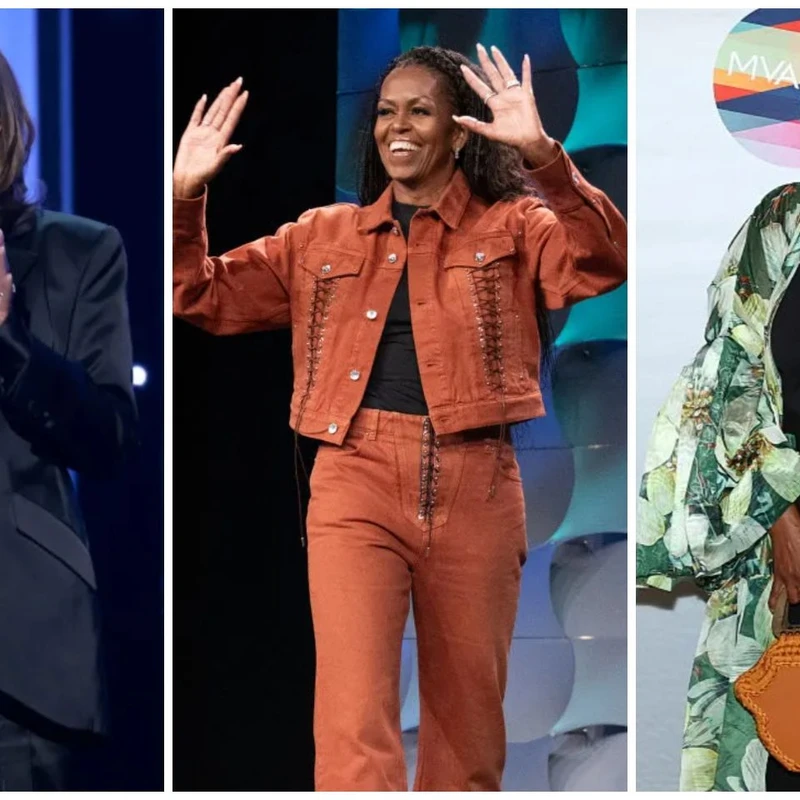
    In the often serious world of politics, style can sometimes take a backseat. But for many Black women in the public eye, fashion is a powerful form of self-expression that complements their professional achievements. These women prove that you can be a political powerhouse and a style icon simultaneously, turning heads whether they’re giving speeches, on press tours, or even gracing the occasional red carpet.

    Michelle Obama: The Enduring Style Blueprint

    It’s impossible to talk about stylish Black women in politics without mentioning Michelle Obama. From the moment her husband began his presidential campaign, she set a new standard for First Ladies with her fashion-forward yet classic style. Throughout two terms in the White House, she was frequently hailed as the best-dressed First Lady since Jackie Kennedy Onassis, effortlessly blending sophistication with bold colors and silhouettes.

    Even after leaving the White House, Obama continues to embrace her personal style with even more freedom, proving that her fashion influence is timeless. She remains the ultimate blueprint for top-tier political style.

    Kamala Harris: Bold Colors in Tailored Pantsuits

    As Vice President, Kamala Harris has adopted the popular pantsuit as her signature political attire, but she brings a unique flair to it. Unlike the often boxy styles of the past, Harris favors expertly tailored pieces. Her true fashion sensibility shines through her love for color. Whether it’s rich jewel tones or vibrant, bold shades, she masterfully incorporates color into conservative silhouettes, proving that professional can also be incredibly chic.

    Jasmine Crockett: Challenging Traditional Norms

    U.S. Representative Jasmine Crockett is a leader in the modern Democratic Party and isn’t afraid to break fashion rules. Often viewed as ‘boring and stuffy,’ political fashion gets a much-needed update with Crockett. She makes it clear that she’s the ‘fashion girlie’ of Capitol Hill, proving that one can be professional, appropriate, and undeniably stylish. Crockett confidently wears clothing that highlights her curves, challenging outdated notions and demonstrating that advocating for rights doesn’t mean sacrificing personal style.

    Ayanna Pressley: Bold Prints and Purposeful Style

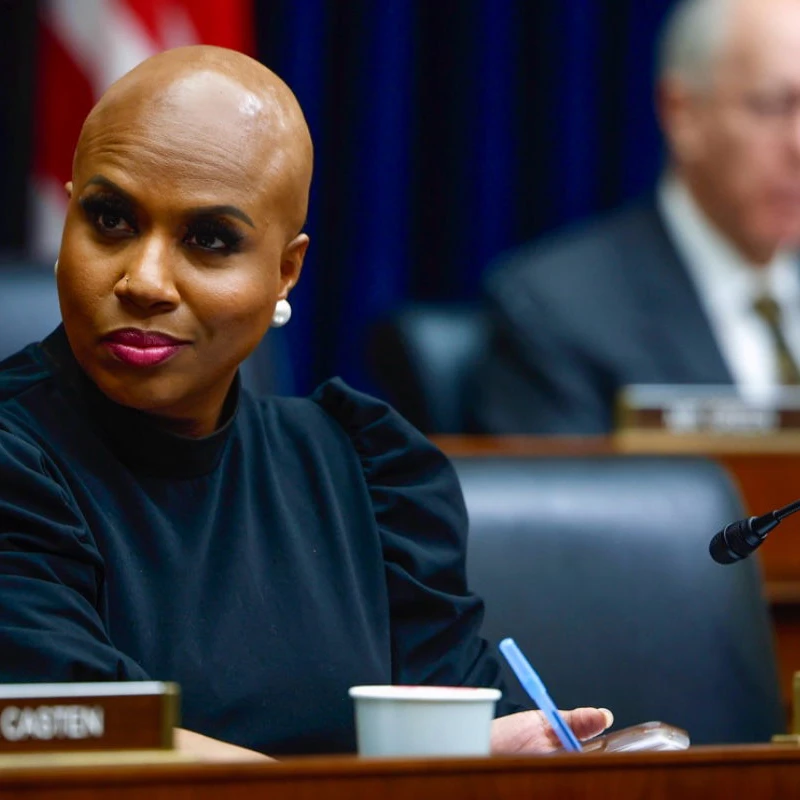
    Democratic U.S. Rep. Ayanna Pressley always makes a statement. Known for bringing fun, bold prints and vibrant colors into the political sphere, her fashion journey took an even more powerful turn after she shared her alopecia diagnosis and embraced shaving her head. This act of courage propelled her to push fashion boundaries with renewed purpose. Her style commands attention, showcasing a refusal to adhere to old guidelines. Pressley loves bright colors, tailored pieces, figure-enhancing dresses, and always finishes her looks with striking accessories, letting her fashion speak volumes.

    The Future of Political Fashion

    These five women are not just influential figures in politics; they are also trendsetters who demonstrate the power of personal style. They show that professionalism and individuality can coexist beautifully, paving the way for future generations to express themselves authentically through their fashion choices in the political arena.

    Who are your favorite stylish Black women in politics? Let us know in the comments below!

  • Rep. Pressley Urges Fed Action on Black Women’s Unemployment

    Following the release of the September jobs report, Congresswoman Ayanna Pressley is sounding the alarm on the disproportionately high unemployment rate affecting Black women. The report, delayed due to the government shutdown, revealed a troubling statistic: Black women face an unemployment rate of 7.5%, significantly higher than the national average.

    A Crisis for Black Women in the Workforce

    Pressley, a member of the House Financial Services Committee, is urging the Federal Reserve to take immediate action. She described the unemployment numbers as “damning” and directly linked the crisis to policies under the Trump administration. “Under Donald J. Trump, Black women continue to face a crisis of disproportionately high unemployment,” Pressley stated, citing “reckless mass firings,” the affordability crisis, and attacks on diversity, equity, inclusion, and accessibility (DEIA) initiatives as contributing factors.

    She emphasized the vital role Black women play in both families and the economy. “As the primary breadwinners for many households, Black women are the backbones of our families and our economy,” Pressley asserted. “Their systematic pushout not only has dangerous consequences for Black women, Black families, Black futures. It is also a glaring red flag for the entire U.S. economy.”

    Economic Slowdown and Layoffs

    The September jobs report, released late after the government shutdown, showed a modest gain of 119,000 jobs. However, experts caution that the numbers indicate a broader slowdown in the labor market. The unemployment rate ticked up to 4.4% from 4.3%, and wage growth decelerated. This economic uncertainty is compounded by major companies like Amazon, General Motors, IBM, and Microsoft announcing tens of thousands of layoffs.

    Experts from the Center for American Progress point to factors such as uncertainty surrounding President Trump’s tariff policies, significant cuts to federal government services, and reductions in healthcare and social programs as contributors to this hiring slowdown and subsequent layoffs.

    A Call for Federal Reserve Intervention

    In a letter addressed to Federal Reserve Chairman Jerome Powell, Pressley formally requested immediate action. She reminded Powell of the Fed’s “statutory mandate to promote maximum employment,” stressing that this must apply to everyone, regardless of race or gender. The congresswoman highlighted that in August 2025, 6.7% of Black women faced unemployment, a rate considerably higher than the national average of 4.3%.

    Pressley concluded by stating, “This disparity should not go overlooked as unemployment of Black women is a key metric of the health of the U.S. economy.” She also noted that Black women are disproportionately represented in higher education, are the fastest-growing group of entrepreneurs, and often serve as the primary breadwinners for their families, underscoring the economic impact of their employment challenges.

    What actions do you think the Federal Reserve should take to address the unemployment rate among Black women? Share your ideas in the comments below!

  • 13 Trailblazing Black Women in Politics

    The recent victory of Mary Sheffield as the first female mayor of Detroit marks another significant milestone in the ongoing journey of Black women in American politics. This historic win places her among a distinguished lineage of trailblazers, from icons like Shirley Chisholm and Barbara Jordan to contemporary leaders who continue to break barriers and redefine the political landscape.

    Mary Sheffield: A New Era for Detroit

    Mary Sheffield’s election as Detroit’s first female mayor is a testament to her dedication and extensive political career. Having served on the Detroit City Council since 2013 and making history as the youngest council president in 2022, Sheffield’s platform focuses on improving community relations, expanding access to jobs and healthcare, and revitalizing neighborhoods. Her victory speech emphasized unity and a shared belief in a brighter future for Detroit.

    Pioneers Who Paved the Way

    Sheffield’s achievement stands on the shoulders of giants. These 13 women have profoundly shaped American democracy through their courage, resilience, and unwavering commitment to justice and equality:

    1. **1. Shirley Chisholm:** The first Black woman elected to Congress (1968) and a fearless advocate for social justice. Her 1972 presidential campaign broke significant ground.
    2. **2. Barbara Jordan:** The first Black woman elected to the U.S. House from the South (1972), known for her powerful voice during the Watergate hearings.
    3. **3. Carol Moseley Braun:** The first Black woman elected to the U.S. Senate (1992), championing equality and environmental protection.
    4. **4. Maxine Waters:** A formidable and outspoken advocate for economic and racial justice, she made history as the first woman and African American to chair the House Financial Services Committee.
    5. **5. Donna Brazile:** A legendary political strategist who became the first Black woman to manage a U.S. presidential campaign (Al Gore, 2000).
    6. **6. Stacey Abrams:** A renowned voting rights champion who transformed political mobilization in Georgia and became the first Black woman nominated for governor by a major party in the state.
    7. **7. Kamala Harris:** The first Black and South Asian woman elected Vice President of the United States (2020), shattering barriers at the highest levels of government.
    8. **8. Marilyn Mosby:** Became the youngest chief prosecutor of a major U.S. city (Baltimore) in 2015, leading efforts in criminal justice reform.
    9. **9. Keisha Lance Bottoms:** The 60th mayor of Atlanta (2018), known for her compassionate leadership during the pandemic and racial justice movement.
    10. **10. Ayanna Pressley:** The first Black woman elected to Congress from Massachusetts (2018), a bold advocate for racial justice and health equity.
    11. **11. Cori Bush:** The first Black woman to represent Missouri in Congress (2020), bringing an activist and nurse’s perspective to housing and social justice issues.
    12. **12. Karen Bass:** The first woman and second Black mayor of Los Angeles (2022), focusing on housing, safety, and government trust.
    13. **13. Letitia James:** The first Black woman elected New York Attorney General (2018), known for her fearless pursuit of justice and accountability, including lawsuits against Donald Trump.

    These trailblazers have not only achieved personal milestones but have also created pathways for greater representation and equity in politics. Their legislative achievements, advocacy, and sheer determination have left an indelible mark on American history, inspiring countless others to engage in the political process and strive for leadership roles.

    Which of these Black women in politics inspires you the most? Share your thoughts and any other influential figures you believe should be recognized in the comments below!

  • ‘Me Too.’ Launches Star-Studded Disruptors Council

    The powerful ‘Me Too.’ movement, co-founded by Tarana Burke, is amplifying its mission to combat sexual violence with the launch of its new Disruptors Council. This initiative brings together a formidable group of celebrity advocates and influential figures, including actresses Viola Davis and Gabrielle Union, and Congresswoman Ayanna Pressley, to challenge the systems that perpetuate sexual violence and leave survivors unheard.

    A Collective Force for Change

    The Disruptors Council is comprised of game-changers dedicated to promoting the work and initiatives of ‘Me Too.’ International. Their collective goal is to foster cultural shifts that create a more equitable and safer world for everyone, by dismantling restrictive gender norms and oppressive systems. The council aims to amplify policy work and encourage mainstream conversations about sexual violence prevention.

    Tarana Burke emphasized the critical timing of this initiative, stating in a press release, “We’re at a pivotal moment. Recent high-profile cases have once again made clear just how prevalent sexual violence still is.” She added, “The Disruptors Council represents what we’ve always believed: that real change happens when we work together to address the systems that allow sexual violence to persist, not just respond to its effects. Sexual violence is solvable when we bring this conversation into mainstream culture and treat prevention as a shared responsibility.”

    Influential Voices Join the Cause

    The council’s membership extends beyond Hollywood stars and politicians. It also includes Cliff Albright, co-founder and executive director of Black Voters Matter Fund, media personalities Bevy Smith and Jessie Woo, actress Michelle Buteau, and others committed to disrupting the status quo. Viola Davis, a survivor herself and daughter of a survivor, expressed her commitment: “I raise my hand as a survivor and the daughter of a survivor. I raise my hand to be seen and to break the silence and invisibility of sexual assault…to destroy the stigma, the shame, and reclaim our worth. I’m proud to be a disruptor.”

    Gabrielle Union echoed this sentiment, stating, “I speak up because change starts with raising our voices and standing for what’s right. I disrupt by challenging the status quo in ways that create opportunity, understanding, and progress for everyone.”

    Advancing Justice for Survivors

    Through the collective efforts of the Disruptors Council, ‘Me Too.’ aims to further its mission of achieving justice for survivors and encouraging a broader societal commitment to speaking out against violence. The initiative underscores the belief that by working together and challenging harmful norms, significant progress can be made in creating a safer and more equitable world.

    What are your thoughts on the ‘Me Too.’ movement’s new Disruptors Council? How can we collectively work towards ending sexual violence? Share your perspectives in the comments below!

  • Pressley to Powell: Address Black Women’s Unemployment

    Are you keeping an eye on the job market? Because if you are, you might have noticed some concerning trends, especially for Black women. Congresswoman Ayanna Pressley is sounding the alarm, urging Federal Reserve Chair Jerome Powell to take immediate action as the unemployment rate for Black women continues to climb at a disproportionate rate.

    The Alarming Numbers

    In a letter sent on September 8, 2025, Pressley highlighted that in August, a staggering 6.7% of Black women were unemployed. To put that in perspective, it’s significantly higher than the national average of 4.3%, according to the Bureau of Labor Statistics. This isn’t just a blip; it’s a continuation of a worrying trend.

    As AFROTECH™ reported previously, Black women have faced elevated unemployment rates for months. The numbers have steadily increased, from 5.1% in March to a peak of 6.2% in May, before a slight dip in June. Pressley emphasizes that this disparity is a critical indicator of the overall health of the U.S. economy.

    Why This Matters

    Pressley points out that Black women are not only highly represented in higher education and entrepreneurship but also disproportionately serve as the primary breadwinners for their families. When this key demographic faces significant job losses, it sends shockwaves through households and the broader economy.

    She warns that with overall job openings and hires decreasing since July 2024, the current economic outlook should be viewed as a serious red flag for the entire country. This isn’t just about individual job losses; it’s about economic stability for many families.

    Contributing Factors

    Several factors are contributing to this crisis, according to Pressley. She cites mass federal workforce layoffs and ongoing attacks on diversity, equity, and inclusion (DEI) initiatives, particularly those escalated under the Trump administration. Black women are overrepresented in the federal workforce, making them particularly vulnerable to these cuts.

    The numbers are stark: between February and March, Black women experienced the largest job loss since mid-2020. Over the past year, their representation in federal jobs has declined by an estimated 33%, a much steeper drop than the overall federal workforce. This suggests a targeted impact on this demographic.

    A Call for Federal Reserve Action

    Pressley argues that these policies are harming the economy by removing the valuable contributions of Black women. She insists that the Federal Reserve must adjust its approach to ensure a fair economy, especially in light of what she calls “fiscally irresponsible policies from the White House.”

    She has formally requested a detailed plan from Chair Powell by September 30, 2025, outlining how the Fed intends to address the rising unemployment rate among Black women. It’s a clear demand for accountability and proactive measures.

    What do you think the Federal Reserve should do to address the rising unemployment rate among Black women? Share your thoughts in the comments below!