Tag: anti-DEI agenda

  • Solidcore CEO: DEI & Profit Go Hand-in-Hand

    In a time when many companies are stepping back from Diversity, Equity, and Inclusion (DEI) initiatives, Solidcore’s Black CEO, Bryan Myers, is doubling down. He firmly believes that fostering an inclusive environment isn’t just the right thing to do – it’s a smart business strategy that drives profitability. Myers is on a mission to prove that you don’t have to choose between doing good and doing well.

    Building a Welcoming Fitness Community

    Solidcore has surged in popularity, becoming a go-to spot for intense workouts that build lean muscle and foster a sense of community. With over 160 studios nationwide and plans for further expansion, Myers is focused on making Solidcore a leader not just in fitness, but in diversity. He understands that boutique fitness studios haven’t always felt accessible to everyone, often carrying an air of exclusivity.

    Myers aims to change that perception. “The way to be ‘in’ and the thing that we celebrate publicly is the work that you put in,” he explained. This philosophy opens the door to welcoming individuals who might typically feel excluded from the boutique fitness scene, especially reformer Pilates. If you’re willing to put in the effort, Solidcore wants you.

    DEI as a Business Strategy, Not Just PR

    The rise of the anti-DEI movement has led some companies to abandon their inclusion efforts, often citing profit concerns. Myers, however, sees DEI as integral to Solidcore’s success. He argues that many companies backpedaled on DEI because it was never truly integrated into their business model, but rather treated as a public relations tactic.

    For Myers, it’s about building a strong business. “When people think about what reformer brand is the de facto landing spot for Black women, I want it to be Solidcore,” he stated. This vision positions DEI as a core component of the company’s identity and growth strategy, not an optional add-on.

    Challenging the Status Quo

    Myers is challenging the common misconception that prioritizing inclusivity means sacrificing profitability. “There’s this underlying belief that we have to sacrifice our profitability in order to do DEI,” he said. “The weight of the responsibility that I feel as a leader is to show others that you don’t have to pick a lane. You can actually do both profitable business and prioritize inclusivity.”

    You don’t have to pick a lane. You can actually do both profitable business and prioritize inclusivity. — Bryan Myers, CEO of Solidcore

    As Solidcore continues to expand, Myers’ commitment to DEI remains unwavering. He’s setting a new standard in the fitness industry, demonstrating that a company can thrive by embracing diversity and ensuring that all individuals feel valued and welcomed.

    What are your thoughts on companies prioritizing DEI alongside profits? Let us know in the comments!
  • Trump Admin Accused of Racial Bias in Board Firings

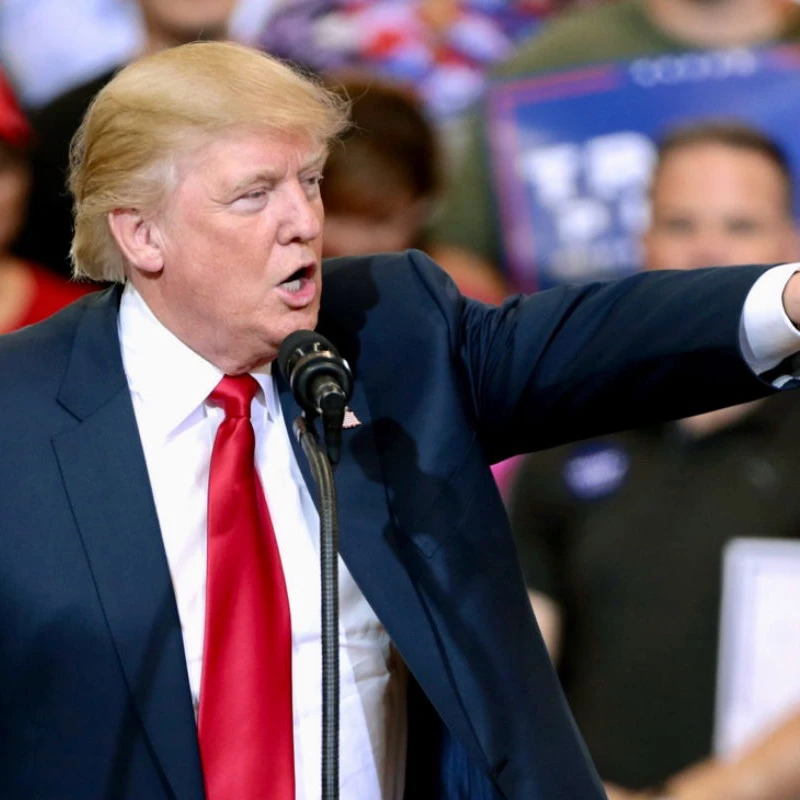
    A new wave of legal action is targeting the Trump administration, with lawsuits alleging a pattern of discrimination against Black leaders within key transportation agencies. Democracy Forward, a nonpartisan legal organization, has filed suits on behalf of two Black men who were terminated from the National Transportation Safety Board (NTSB) and the U.S. Surface Transportation Board (STB).

    Allegations of Targeted Firings

    The lawsuits focus on Robert Primus (STB) and Alvin Brown (NTSB), who were the sole Black board members overseeing their respective agencies when they were dismissed in May and August. Both men had previously filed suits challenging their terminations, arguing that the White House lacked the required “good cause” for their dismissals. The new legal filings, dated December 4th, accuse the administration of racial discrimination.

    The lawsuit filed on behalf of Alvin Brown specifically states, “Mr. Brown’s firing fits within a pattern of the Trump Administration disproportionately removing Black government officials, and particularly presidentially appointed and Senate-confirmed Board members of independent multimember agencies.” Data cited in the suit indicates that approximately 75% of Black federal officials leading multimember agencies were removed under the Trump administration, compared to about 27% of their white counterparts.

    Context of the Terminations

    The firings occurred under notable circumstances. When Alvin Brown was dismissed from the NTSB, an agency that investigates major transportation accidents, insiders reportedly couldn’t recall any previous terminations from the board. Meanwhile, Robert Primus lost his position on the STB shortly after Union Pacific proposed an $85 billion acquisition of Norfolk Southern Railway, a deal the board is set to review.

    Primus had been the only STB member to oppose Canadian Pacific’s acquisition of Kansas City Southern Railway, citing concerns about competition, while Trump reportedly supported the acquisition. These details add weight to the claims that the firings were not performance-based.

    Administration’s Defense

    In response to the allegations, the White House has maintained that President Trump acted within his legal authority. They claim the terminations were based on the officials’ performance, not racial bias. While the administration has not formally responded to Primus’ lawsuit, they have requested a judge to dismiss Brown’s case.

    What are your thoughts on these lawsuits alleging discrimination? Do you believe the Trump administration’s actions were racially motivated? Share your perspective in the comments below!