Tag: Africa

  • Virginia Dedicates $9M African Landing Memorial

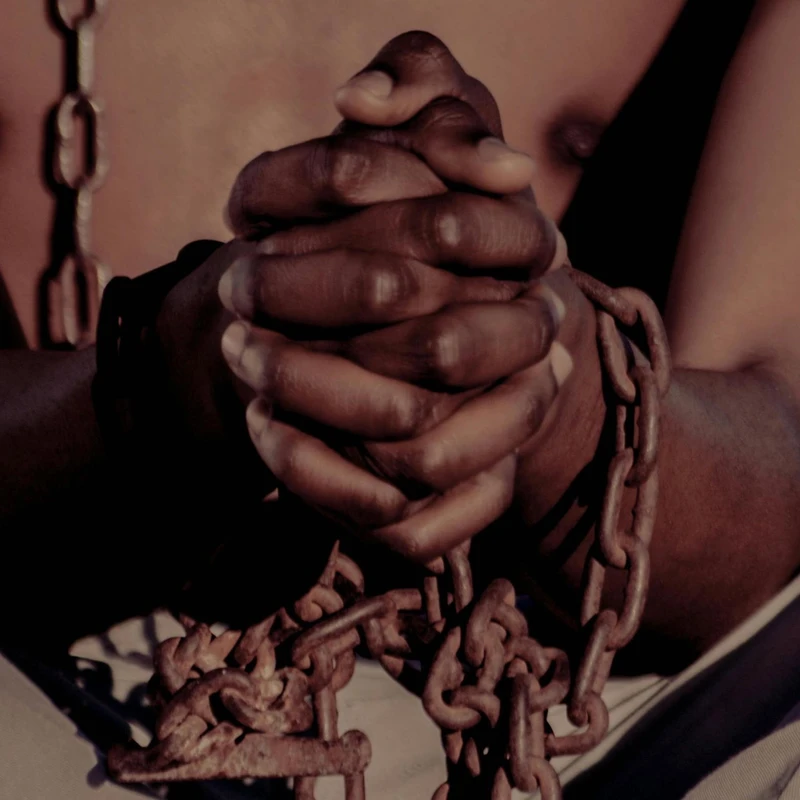
    In a significant act of remembrance, community members and state leaders gathered in Hampton, Virginia, to dedicate the African Landing Memorial Plaza. This new memorial marks the precise location where the first documented enslaved Africans arrived in Virginia over 400 years ago, a somber yet crucial moment in the nation’s history.

    Honoring the First Arrivals

    The memorial site commemorates the arrival of Africans brought to Virginia in 1619. These individuals were taken from Luanda, Angola, and transported across the Atlantic aboard the ship São João Bautista. The memorial serves as a powerful reminder of the violence that shaped the nation’s past and continues to influence its present, deepening our understanding of slavery’s profound and lasting effects.

    Fort Monroe Authority CEO Scott Martin spoke at the dedication event on April 24th, emphasizing the importance of storytelling: “It’s often said that you need story more than food to survive… The descendants are with us today, the story is with us today… and when you sit out here at sunrise or sunset, you watch the land speak to you.”

    A $9 Million Project Rooted in History

    The African Landing Memorial Plaza, inspired by the Sankofa symbol—representing the philosophy of learning from the past to build a successful future—cost $9 million to construct. This pedestrian-only plaza incorporates design elements that reflect its historical significance. Wanda Tucker, who traces her lineage to Isabella and Antony, among the first documented enslaved Africans in Virginia, shared her deep emotional connection to the site.

    “Very rarely am I speechless, but this one feels so deep,” Tucker said. “There’s a history here as to how Angolans first arrived and all the 400-plus years of history, construction of American history, that we have brought since the beginning. I don’t want that history to be missed in any way.”

    Commitment to Preservation and Education

    Governor Abigail Spanberger pledged the Commonwealth of Virginia’s commitment to protecting and stewarding the memorial. “The Commonwealth of Virginia will protect and steward this memorial, and we will make sure it is here for the generations who will stand on this ground and learn its stories,” she stated. “It is up to us, all of us, to tell these stories with the honesty and grace they deserve.”

    The dedication is just the beginning. Plans are in motion for the installation of statues later this summer, along with other features that will further enrich the visitor experience. Fort Monroe Authority Executive Director Scott Martin described the memorial as “almost like a book of essays with this memorial, much like the African experience in America over 400 years.”

    What does this memorial mean to you? How important is it to acknowledge and learn from difficult historical events? Share your thoughts in the comments below!
  • Ethiopia Builds Africa’s Largest Airport: A $12.5B Vision

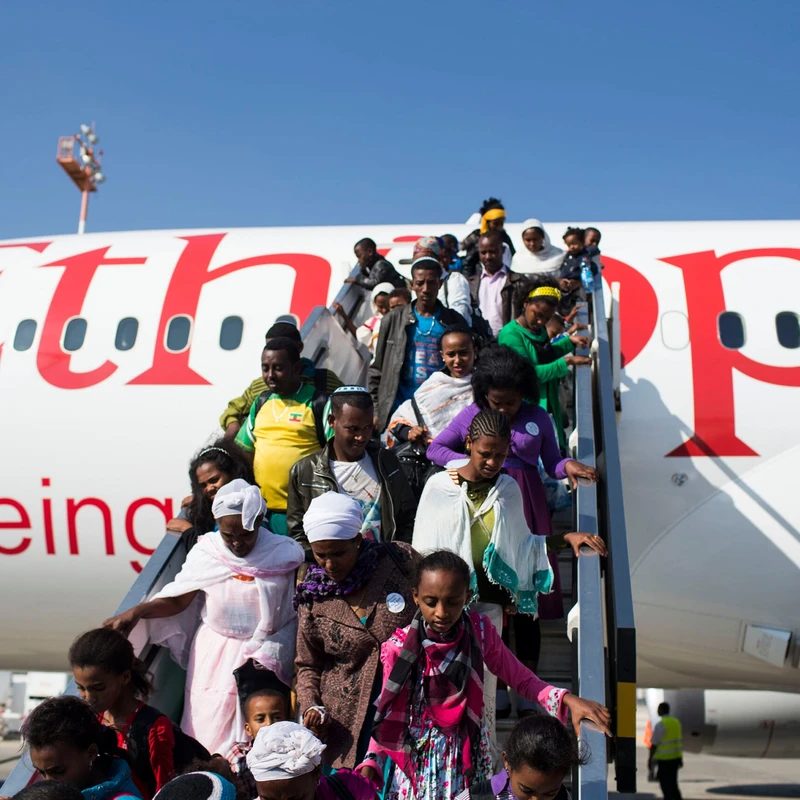
    Get ready for a game-changer in African aviation! Ethiopia has officially kicked off construction on a colossal new airport, a $12.5 billion project poised to become the continent’s largest and a major hub for regional travel, trade, and connectivity by 2030.

    A New Gateway to Africa

    Dubbed Bishoftu International Airport, this ambitious undertaking is located about 30 miles southeast of the capital, Addis Ababa. Construction began in January 2026, and Prime Minister Abiy Ahmed has hailed it as the most significant aviation infrastructure development in Africa’s history. The vision is grand, aiming to reshape how people and goods move across the continent.

    The initial phase, slated for completion by 2030, will boast two runways and an impressive capacity to handle up to 60 million passengers annually. But the ambition doesn’t stop there; long-term plans aim to expand this capacity to a staggering 110 million passengers, potentially surpassing even Hartsfield-Jackson Atlanta International Airport.

    Driving Regional Connectivity

    Spearheading this massive project is Ethiopian Airlines, already a powerhouse as Africa’s largest airline by fleet size and revenue. CEO Mesfin Tasew confirmed the airline will directly fund about 30% of the cost. The remaining $8 billion is currently under negotiation with international partners, including potential backing from the United States, China, and Italy.

    This new hub is designed to tackle a persistent challenge in African travel: the need to transit through non-African cities like London or Dubai to reach other destinations on the continent. By significantly boosting capacity beyond the current Bole International Airport, the Bishoftu airport aims to foster stronger regional ties and support the goals of the African Continental Free Trade Area.

    Sustainable Design Meets Community Concerns

    The architectural vision comes from the renowned Zaha Hadid Architects, known for their innovative and futuristic airport designs. The terminal is set to be a stunning reflection of Ethiopia’s natural beauty, featuring abundant natural light, internal gardens, and eco-friendly elements like solar energy and advanced water management systems.

    However, such a large-scale development isn’t without its challenges. Reports indicate that over 15,000 people have been displaced to make way for the construction. While Ethiopian Airlines has committed $350 million to resettlement and infrastructure improvements, some affected residents have voiced concerns regarding compensation and relocation support. Experts emphasize that the airport’s ultimate success will hinge on broader factors, including supporting infrastructure, policy alignment, and robust regional cooperation.

    What are your thoughts on Ethiopia’s ambitious airport project? Do you think it will truly transform African aviation? Share your opinions in the comments below!

  • Togo Pushes UN for Accurate Africa Map

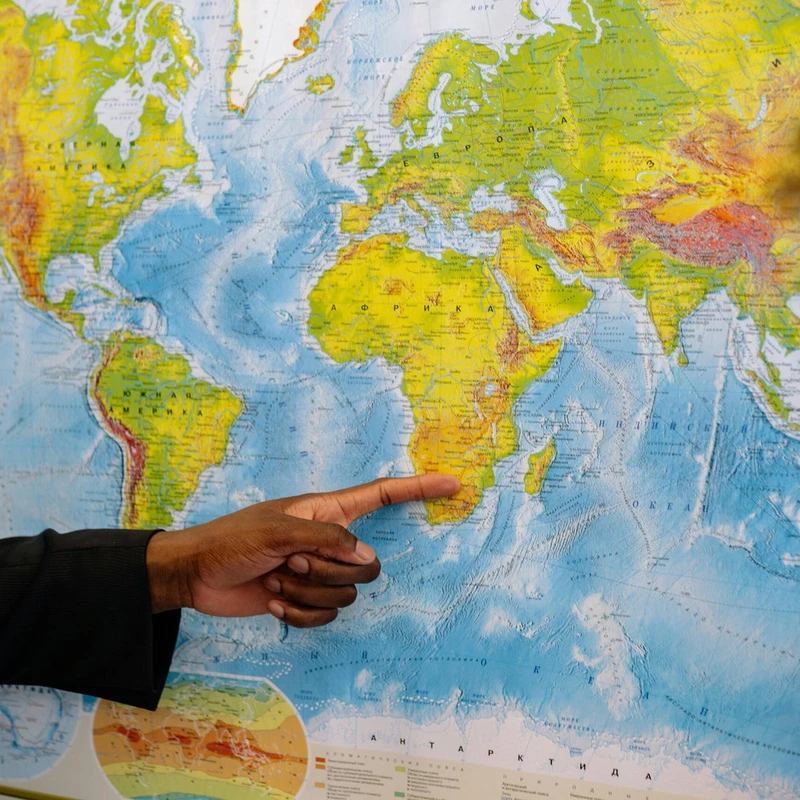
    Have you ever looked at a world map and felt like something was off about the size of Africa? You’re not alone. The West African nation of Togo is formally petitioning the United Nations to adopt world maps that accurately reflect the continent’s true land area, arguing that current projections are misleading and diminish Africa’s global significance.

    Challenging the Mercator Projection

    Togo’s Minister of Foreign Affairs, Robert Dussey, confirmed that a resolution will be presented for a vote at the UN General Assembly in September 2026. The initiative aims to steer international organizations, governments, and educational institutions away from the 16th-century Mercator projection. Instead, they are advocating for alternatives like the Equal Earth projection.

    Dussey emphasized that this isn’t just about preference; it’s about scientific accuracy. The current visual representation of the globe is geographically false, and it’s time for the international community to embrace scientific truth. This effort is part of a broader movement known as the “Correct the Map” campaign.

    The Psychological and Political Impact

    The distortions caused by maps like the Mercator projection are more than just academic errors; they have significant psychological and political consequences. Moky Makura, executive director of Africa No Filter, described the continued use of the Mercator map as a long-standing misinformation campaign that has marginalized Africa’s identity and shaped global perceptions in media, policy, and education.

    “Accurate representation is not just about maps — it is about agency, progress, and ensuring the world sees Africa as it truly is,” Makura stated. The African Union’s 55 member states have already adopted a resolution to stop using the Mercator projection within their own borders, tasking Togo with leading the charge for a global standard.

    Understanding the Distortion

    The Mercator projection, originally designed for nautical navigation in 1569, preserves the shapes of countries but drastically distorts their sizes, especially as they move farther from the equator. This results in regions like Greenland and North America appearing much larger than they are relative to Africa. For instance, Africa covers about 30 million square kilometers and is roughly 14 times the size of Greenland, yet they often look similar in size on standard maps.

    The upcoming UN vote is being viewed by African diplomats as a crucial test of the world’s commitment to equity and decolonization. The response to Togo’s proposal could reveal much about the true intentions of global powers regarding African representation on the world stage.

    What do you think about the push for more accurate world maps? Share your thoughts on Africa’s representation in the comments below!

  • Priscilla Ojo & Juma Jux Shine at ‘Arinzo’ Premiere

    Talk about a power couple making a statement! The premiere of ‘The Return of Arinzo’ was graced by the presence of Nigerian influencer Priscilla Ojo and her husband, Tanzanian music sensation Juma Jux. Their arrival wasn’t just an appearance; it was a fashion moment that had everyone talking, perfectly blending love, style, and star power.

    Priscilla Ojo, known to her millions of followers as @its.priscy, is a rising star in her own right. As a Nigerian actress, model, and influencer, and the daughter of Nollywood icon Iyabo Ojo, she’s carved out a significant niche in the fashion and entertainment world. Beside her stood Juma Jux, a celebrated Tanzanian R&B and Afropop artist whose music resonates across East Africa and beyond. Married in 2025, this cross-cultural duo has rapidly become one of the continent’s most captivating celebrity pairings.

    A Coordinated Red Carpet Masterpiece

    For this special night, Priscilla opted for pure sculptural glamour. She stunned in a white off-the-shoulder gown that featured a beautifully corseted bodice, dramatic exaggerated hips, and a softly draped neckline. The look was further enhanced by a striking wide-brim hat and a layered pearl choker, giving it a sophisticated, almost bridal touch.

    Her accessories were just as on point, with a unique spherical embellished clutch and sleek metallic pointed-toe heels adding the perfect finishing touches. The ensemble masterfully balanced structure with a distinctly feminine appeal. It was a look that celebrated form and elegance.

    Juma Jux’s Complementary Style

    Juma Jux perfectly complemented Priscilla’s ensemble with his own sophisticated, neutral-toned outfit. He donned a long camel overcoat layered over a partially unbuttoned shirt, which offered a glimpse of his layered necklaces. This added a touch of relaxed cool to his tailored look.

    His pinstriped trousers and sharp pointed boots provided a tailored contrast, while stacked bracelets and stylish tinted sunglasses added a contemporary edge. Together, their outfits created a cohesive visual narrative, with Priscilla’s look defined by its structured femininity and Juma’s by its relaxed tailoring and tonal harmony.

    Fashion Influence Across the Continent

    This coordinated appearance at the ‘Arinzo’ premiere is a testament to Priscilla and Juma’s growing influence. They’re not just making waves in music and film circles, but also significantly impacting the fashion landscape across Africa. Their shared style moments continue to capture attention and inspire fans continent-wide.

    What do you think of Priscilla Ojo and Juma Jux’s coordinated premiere style? Share your thoughts in the comments below!

  • Lagos Influencers Shine in Hermes & Bvlgari

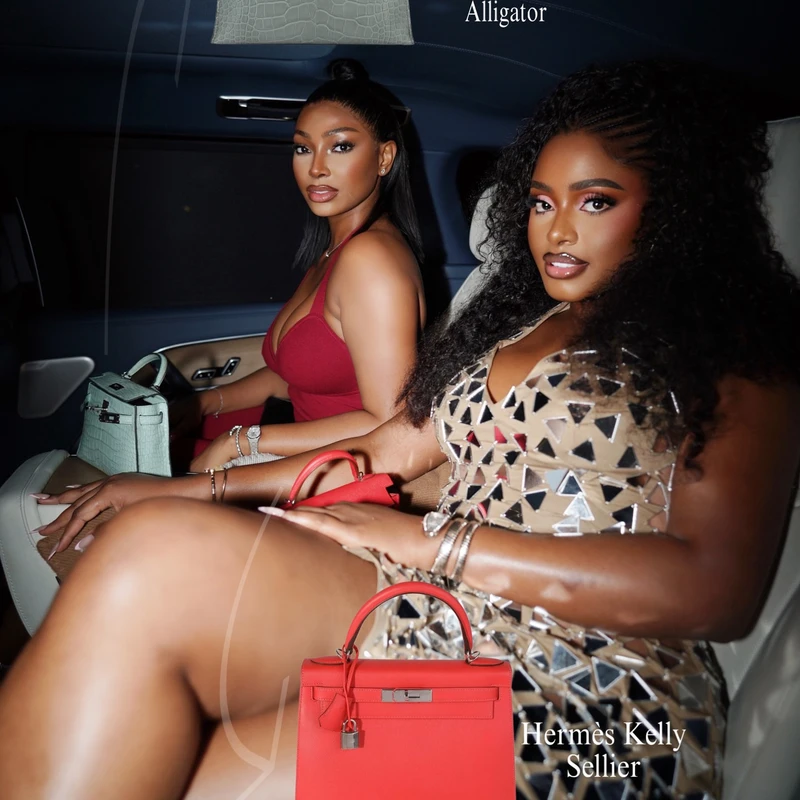
    Get ready for a serious dose of luxury straight from Lagos, Nigeria! The city’s vibrant fashion scene is constantly making waves, and Ama Reginald and Sophia Egbueje are leading the charge. Spotted by the renowned Lagos Paparazzi, these two influencers and socialites are giving us major style envy with their impeccable taste in designer bags, dazzling jewelry, and statement timepieces.

    Lagos: A Global Fashion Capital

    Ama Reginald, known for her engaging lifestyle, beauty, and fashion content, and Sophia Egbueje, a prominent model and social figure associated with high-end luxury, are at the forefront of a new generation of Nigerian influencers. They’re not just shaping digital fashion culture across Africa; they’re blending global luxury brands with a distinctly African flair, proving Lagos is a major player on the international fashion stage.

    Their style is a masterclass in high-impact accessorizing. It’s about making bold choices that turn heads and tell a story. This fusion of luxury and local influence is what makes the Lagos aesthetic so captivating and globally recognized.

    A Showcase of Coveted Designer Pieces

    In one stunning look, Ama Reginald was seen with a vibrant red Hermès Kelly Sellier 20 bag in Epsom leather. This iconic bag was perfectly complemented by Bvlgari Serpenti watches and sparkling diamond bracelets, creating a look that’s both classic and incredibly chic.

    Sophia Egbueje opted for another covetable piece: a rare Hermès Mini Kelly 20 in a beautiful Vert d’Eau alligator finish. Her jewelry game was equally strong, featuring Bvlgari Viper diamond bracelets and a delicate Messika Move Uno bracelet crafted from 18-karat white gold. To top it all off, she sported an Audemars Piguet Royal Oak Mini Frosted White Gold watch, valued at an impressive $90,000!

    The Power of Accessories

    These looks highlight how the right accessories can elevate an entire outfit. The choice of a Hermès Kelly bag, the sparkle of Bvlgari diamonds, and the precision of a luxury timepiece like Audemars Piguet aren’t just status symbols; they are statements of personal style and an appreciation for craftsmanship. It’s this attention to detail that defines the luxury fashion scene in Lagos and beyond.

    What do you think of Ama Reginald and Sophia Egbueje’s luxury looks? Which piece is your favorite? Share your thoughts in the comments below!
  • Trump’s ‘Garbage’ Remark Sparks Outrage from Somali Immigrant

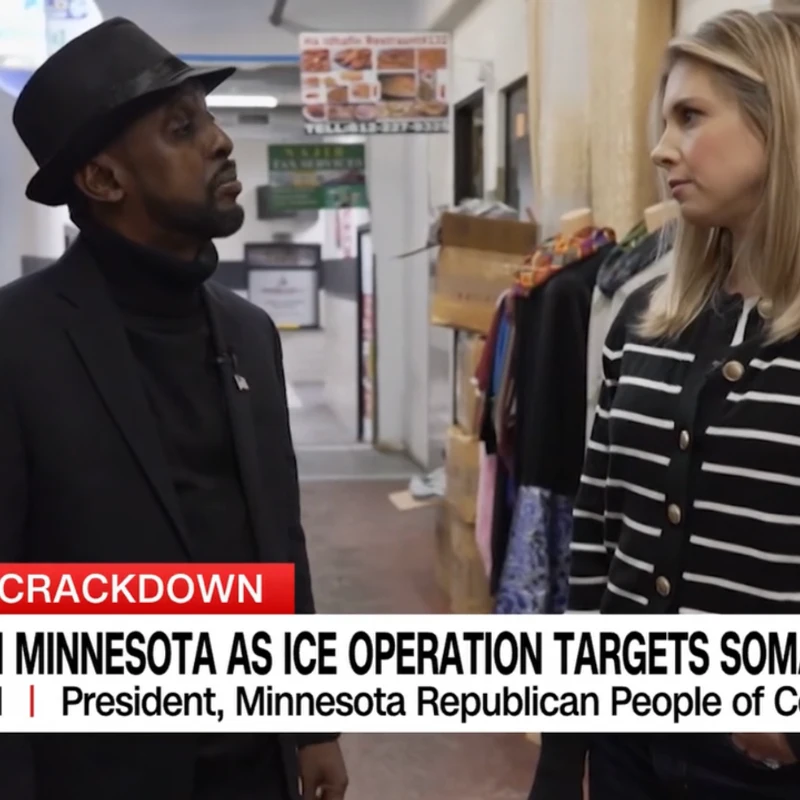
    Words can have a powerful impact, and sometimes, they sting even more when they come from someone you’ve supported. That’s the reality for Mohamed Ahmed, a Somali immigrant in Minnesota who voted for President Donald Trump in the 2024 election. He’s now speaking out, deeply hurt and angered by the president’s recent personal attack on his community.

    A Personal Rebuttal to ‘Garbage’

    During a recent Cabinet meeting at the White House, President Trump reportedly referred to Somalis in Minnesota, including Democratic U.S. Rep. Ilhan Omar, as “garbage.” He went on to say, “We’re going to go the wrong way if we keep taking in garbage into our country.” This statement clearly struck a nerve with Mohamed Ahmed, who holds a leadership position within the Minnesota Republican People of Color.

    Ahmed, who has been a Republican for over 25 years, shared his profound disappointment with CNN. “Mr President, we campaigned for you. We have hope in you. We see hope in you. Please differentiate between good, bad and evil,” he pleaded. His most poignant response? “I got five children. My children are not garbage!” It’s a powerful reminder that behind political rhetoric are real people and families.

    Condemnation from Leaders and Community

    Congresswoman Ilhan Omar, herself a former Somali refugee, didn’t hold back, calling Trump’s remarks “vile.” She suggested the president’s comments were a tactic to deflect from criticisms regarding his handling of the economy and other controversies. Omar believes Trump frequently uses “racism, xenophobia, bigotry, and Islamophobia.”

    Minnesota Governor Tim Walz also condemned the president’s language, labeling the “garbage” remarks as “horrific slurs.” He highlighted that the Minnesotans being targeted are doctors, teachers, entrepreneurs, and children, not just abstract figures. Walz argued that Trump resorts to such language when he’s “failing on every front.”

    A Call for Empathy and Distinction

    Mohamed Ahmed’s heartfelt plea underscores a critical point: the need for leaders to distinguish between individuals and to avoid broad, dehumanizing labels. His experience as a long-time Republican voter who feels betrayed by the president’s words highlights the complex emotions and divisions that such rhetoric can create within communities and political parties.

    What are your thoughts on President Trump’s remarks and Mohamed Ahmed’s response? Do you believe political leaders should be held to a higher standard of language? Share your views in the comments below!

  • Trump-Brokered Peace Deal: Boon for Leaders, Not Citizens?

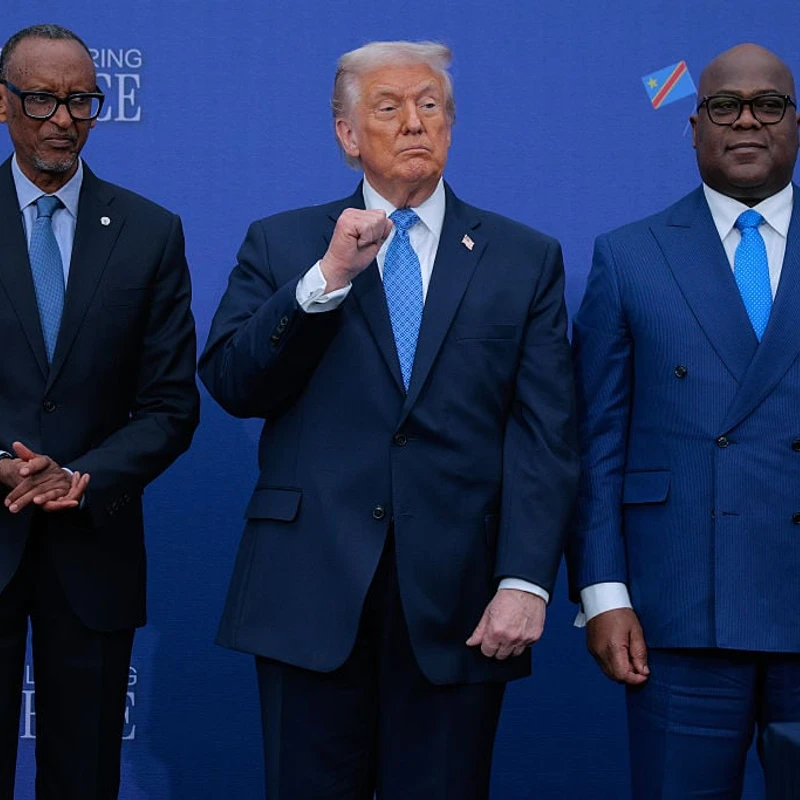
    A significant peace deal has been signed between the Democratic Republic of Congo (DRC) and Rwanda, brokered by President Donald Trump. Hailed as a “momentous occasion” and “a great day for Africa,” the Washington Accords aim to end decades of conflict in eastern DRC. However, beneath the surface of this landmark agreement lie concerns that the benefits might not reach the people most affected.

    The Washington Accords: What’s Included?

    The deal, officially named the Washington Accords, includes several key provisions. These aim to foster stability and cooperation, such as the disengagement and disarmament of armed groups, joint security coordination, facilitating the return of refugees, and enabling humanitarian aid. A crucial component is the implementation of a regional economic integration framework.

    This economic framework is designed to attract investment, create jobs, and connect the region to international trade routes like the Lobito Corridor. The Trump administration believes this will help businesses and people thrive, while also linking the region’s mineral sector to U.S. industry. Trump himself expressed optimism, noting the “very valuable things” in the African nations that could lead to “a lot of money and a lot of success.”

    Enriching Governments and Allies, Not Citizens?

    Despite the optimistic outlook, policy and intelligence experts are raising red flags. They suggest that while the deal could significantly enrich the governments of Rwanda and the DRC, as well as U.S. companies and businessmen close to Trump, the average citizens may not see the benefits. Many in the region live under authoritarian rule and face economic instability.

    Companies like KoBold Metals, backed by billionaires such as Bill Gates and Jeff Bezos, are already planning substantial investments in the Congo’s vast natural resources, utilizing AI to pinpoint untapped mineral deposits. Texas hedge fund manager Gentry Beach, who has ties to Trump’s past campaigns, is reportedly interested in accessing Congo’s Rubaya mine. Even Erik Prince, founder of Blackwater, is said to be providing security for mineral mines in the region.

    We’re talking about the country that people say is the Saudi Arabia of the electric vehicle industry, but 70 million people still live on less than $2.15 a day. — Maurice Carney, Executive Director of Friends of the Congo

    Maurice Carney, executive director of Friends of the Congo, echoed these concerns, stating that while the framework benefits governments and businessmen, the Congolese and Rwandan people likely won’t see the advantages. He highlighted the stark contrast between the nation’s mineral wealth and the extreme poverty faced by its citizens, attributing this disparity to governance issues where governments may not be negotiating in the people’s best interest.

    Concerns Over Authoritarian Rule and Racism

    Joseph Tolton, executive director of Interconnected Justice, pointed out that leaders in both Rwanda and the DRC, like Presidents Tshisekedi and Kagame, are often seen as dictators who prioritize self-interest. He noted that other African leaders supporting the deal, such as Uganda’s President Yoweri Museveni and Kenya’s President William Ruto, also face accusations of authoritarian tendencies. Tolton suggested these leaders align with those they perceive as powerful, including Trump, who has a history of supporting dictators.

    Furthermore, critics point to Trump’s past remarks about African nations, including calling them “shithole” countries, as evidence of a racist outlook. Tolton finds it “unconscionable” that African leaders would overlook such overt racism. He argues that the deal’s focus on enriching leaders and foreign investors comes at the expense of addressing the profound economic needs of their people, who lack avenues for their voices to be heard or to protest.

    What are your thoughts on this peace deal? Do you believe it will truly benefit the people of Rwanda and the DRC, or primarily enrich leaders and foreign investors? Share your perspective in the comments below!

  • 16 Terrifying Black Horror Movie Characters

    We’ve all seen the horror movie trope where the Black character is the first to meet their demise. But what about the times when Black characters aren’t the victims, but the terrifying villains, monsters, or demons themselves? From vengeful spirits to blood-thirsty vampires, Black actors have delivered some of cinema’s most chilling portrayals. Let’s dive into 16 of the scariest Black horror movie characters that have haunted our screens.

    The Pioneers of Black Horror

    The blaxploitation era gave us some of the earliest and most iconic Black horror figures. These films often used horror tropes to explore themes of racism, revenge, and the Black experience in America.

    1. **1. Blacula (1972):** William Marshall is the grandfather of Black movie monsters. This film kicked off the blaxploitation horror trend, telling the story of an African prince turned vampire by Dracula himself. He awakens centuries later in 1970s LA, seeking a reincarnation of his wife.
    2. **2. Blackenstein (1973):** A campy take on Frankenstein, this film features a Vietnam veteran who becomes a monstrous creature after a botched surgery. It tried to capitalize on Blacula’s success but didn’t quite hit the same mark.
    3. **3. Ganja & Hess (1973):** Starring Duane Jones (from ‘Night of the Living Dead’), this critically acclaimed film follows an archeologist who becomes a vampire after being stabbed with an ancient dagger. His wife, Ganja, also succumbs to vampirism. The film uniquely focuses on addiction.
    4. **4. Abby (The Blackorxist) (1974):** Often called a campy rip-off of ‘The Exorcist,’ this movie features a possessed marriage counselor who becomes a demon of sexuality after her father-in-law unleashes it in Africa. It faced legal battles and was pulled from theaters, making it a rare find.

    Revenge, Possession, and Vampire Strippers

    The late 70s and 80s continued to explore darker themes, with characters seeking revenge, battling demons, and even encountering vampire-infested strip clubs.

    1. **5. Sugar Hill (1974):** A woman seeks revenge on gangsters who murdered her boyfriend, enlisting the help of a voodoo queen and an army of zombies.
    2. **6. Dr. Black, Mr. Hyde (1976):** A scientist creates a formula that unleashes a monstrous, albino personality, turning him into a vampire and a killer.
    3. **7. J.D.’s Revenge (1976):** A law student becomes possessed by the ghost of a 1940s gangster seeking revenge on those who murdered him.
    4. **8. Demons (1985):** Italian horror flick featuring Geretta Geretta as a terrifying prostitute named Rosemary who transforms into a demon, trapping moviegoers in a theater with vicious creatures.
    5. **9. Vamp (1986):** Three friends visit a strip club only to discover the strippers, led by Queen Katrina (Grace Jones), are vampires. They must escape the vampire-infested club.

    Demonic Temptation and Cult Classics

    The 90s brought us more complex villains and cult classics that continue to resonate with audiences today.

    1. **10. Def by Temptation (1990):** A seductive temptress (Cynthia Bond) is revealed to be a demonic vampire preying on Black men. A minister, actor, and cop team up to stop her.
    2. **11. Candyman (1992):** Tony Todd’s portrayal of the hook-handed spirit is both terrifying and tragic. A sympathetic villain, Candyman’s ghost haunts those who dare to summon him, a powerful commentary on racial injustice.
    3. **12. Tales from the Hood (1995):** This anthology film features a funeral director trapping drug dealers and recounting four chilling tales exploring racism, police brutality, and supernatural revenge.

    Modern Monsters and Vampire Royalty

    The turn of the millennium saw new takes on horror, from comedic vampire tales to supernatural thrillers and the first-ever vampire queen.

    1. **13. Vampire in Brooklyn (1995):** Eddie Murphy stars as Maximillian, a Caribbean vampire who comes to Brooklyn to find his dhampir daughter and terrorizes the city.
    2. **14. Bones (2001):** Snoop Dogg plays Jimmy Bones, a murdered numbers runner whose spirit haunts his former brownstone, seeking revenge on those who wronged him.
    3. **15. Crazy as Hell (2002):** Eriq La Salle plays a man who calls himself “Satan” at a mental hospital, driving a doctor to question his own sanity.
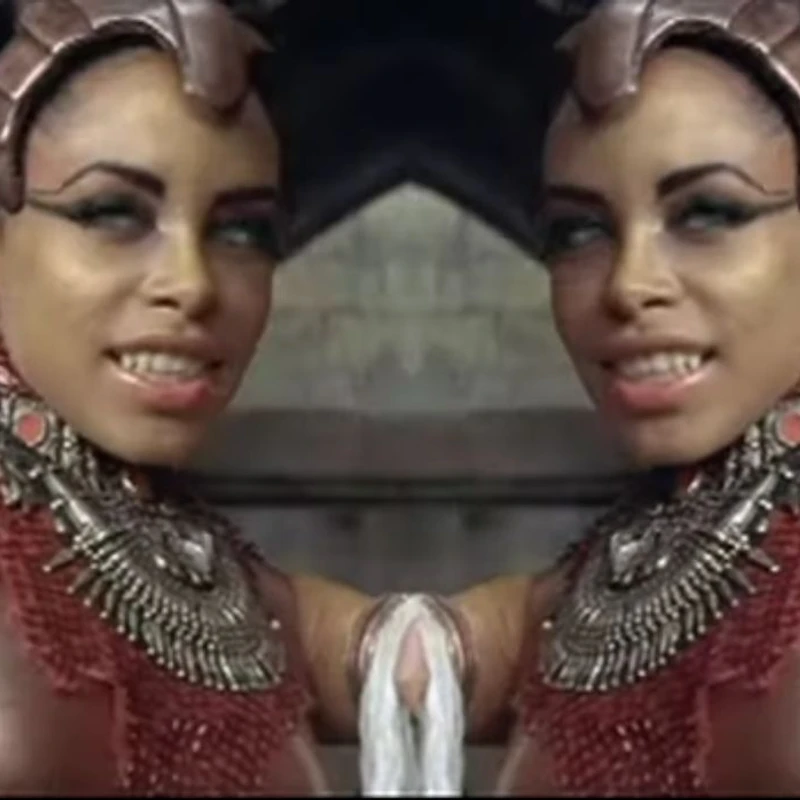
    4. **16. Queen of the Damned (2002):** Aaliyah delivers a powerful performance as Queen Akasha, the world’s first vampire, awakened by music and seeking to rule over vampires and humans alike.

    Which of these Black horror characters gave you nightmares? Did we miss any of your favorites? Let us know in the comments below!

  • UAE Invests $1B in Africa AI for Development

    Get ready for a major tech boost across Africa! The United Arab Emirates (UAE) has announced a significant $1 billion investment aimed at expanding artificial intelligence (AI) infrastructure and services throughout the continent. This ambitious initiative, dubbed ‘AI for Development,’ is set to make waves in key sectors.

    Boosting Africa’s Tech Landscape

    Unveiled by UAE Minister of State Saeed Bin Mubarak Al Hajeri during the G20 summit in Johannesburg on November 22nd, the initiative focuses on supporting critical areas like education, healthcare, and climate-adaptation technology. This move signals a deepening commitment from Abu Dhabi to strengthen its relationships with African governments and businesses.

    The UAE’s engagement with Africa is nothing new, with bilateral trade reaching approximately $107 billion in 2024 and investments totaling over $118 billion between 2020 and 2024. This latest investment is poised to build data center capacity, deploy AI in healthcare systems, and establish vital training programs for local talent.

    Why Africa is Strategic for the UAE

    Minister Al Hajeri highlighted the long-standing, people-to-people relationship between the UAE and Africa, spanning over 53 years. “Investors in Africa are out of choice, and we are actually welcome,” he stated. “We find that our investment in Africa is welcomed. We see value in both. It’s good for Africa, and it’s good for us.”

    He emphasized AI’s role not just as a future industry but as a fundamental pillar for humanity’s progress. The UAE is committed to accelerating innovation, enhancing productivity, and driving global economic advancements with a focus on responsible and inclusive AI development.

    African Leaders Welcome the Initiative

    African officials have warmly received the investment. Ghana’s ICT minister called it a “game-changing opportunity,” while South Africa’s minister of higher education believes it can help bridge the continent’s tech-skills gap. Priority areas for the initiative include AI for rural healthcare, climate-resilient urban planning, and AI-powered educational tools.

    The UAE plans to collaborate with governments, foundations, and private sector firms to develop local infrastructure. This multi-year, phased deployment aims to foster sustainable growth and accelerate digital transformation across Africa.

    What are your thoughts on this significant investment in Africa’s AI future? Share your insights in the comments below!

  • Kenya Discovers $5 Billion Gold Deposit

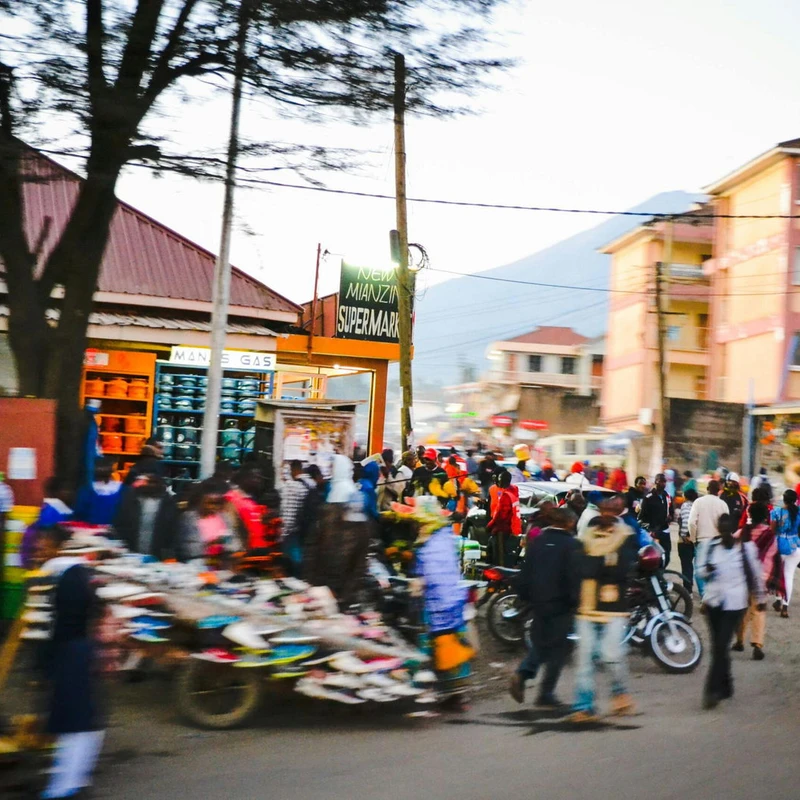
    Kenya is celebrating a monumental discovery that could significantly boost its economy: extensive underground gold deposits have been unearthed in Kakamega County. Valued at an estimated $5.29 billion, this find is being hailed as a historic milestone for the nation’s mineral sector.

    A Historic Gold Find

    British mining company Shanta Gold Limited confirmed the discovery of approximately 1.27 million ounces of gold at its Isulu-Bushiangala underground project. An Environmental Impact Assessment report details plans for a large-scale underground mine spanning about 337 acres, utilizing advanced Long Hole Open Stoping technology to minimize surface impact.

    Mining and mineral processing engineer Brian Mwangi Njoroge expressed optimism, stating, “This discovery confirms what many in the field have long suspected, that western Kenya holds world-class gold potential.” He added that with the right infrastructure and regulations, Kenya could transition to full-scale production rapidly.

    Economic Potential and Challenges

    Economists anticipate that this gold mine could diversify Kenya’s economy, which currently relies heavily on agriculture and tourism. The project is expected to attract global investors and create hundreds of local jobs, contributing significantly to economic growth through taxes, royalties, and revenue. Shanta Gold Limited noted in a statement that the discovery is likely to “transfer into the local and regional economic growth.”

    However, the project also presents potential challenges. Critics raise concerns about the displacement of residents and possible environmental damage. The company estimates that around 337 acres of mostly privately owned land will be needed, potentially displacing approximately 800 households. Shanta Gold has proposed resettlement sites and offered financial compensation options to affected families.

    Moving Towards Production

    The construction phase for the mine is projected to cost between $170 million and $200 million USD. The successful implementation of this project could mark a new era for Kenya’s resource sector, balancing economic development with the needs of its citizens and the environment.

    What are your thoughts on the potential impact of this gold discovery on Kenya’s economy and its residents? Share your views in the comments below!