Category: Political Commentary

  • Crockett’s ‘STOP TRUMP Act’ Targets Jan. 6 Payouts

    Texas Congresswoman Jasmine Crockett is making a bold move to protect taxpayer dollars with her newly introduced ‘STOP TRUMP Act.’ This legislation aims to prevent federal funds from being used for settlements or payouts connected to alleged government ‘weaponization,’ particularly those that could benefit former President Donald Trump and individuals involved in the January 6th Capitol attack.

    What is the ‘STOP TRUMP Act’?

    Officially named the ‘Stop Taxpayer funded Reimbursement for Unlawful Misconduct by Presidents Act,’ the bill seeks to block federal money, including funds from the Federal Judgment Fund, from being used for settlements, compensation programs, or reimbursements tied to claims of political targeting or misconduct by a president, their family, appointees, or affiliated entities. It specifically calls out January 6th participants.

    Crockett argues that in a time when working families are struggling financially, it’s unconscionable for taxpayers to foot the bill for what she describes as ‘political revenge tours’ or ‘slush funds’ for political loyalists and extremists. The legislation also aims to prevent the Department of Justice from representing cases where a president could personally or politically benefit from litigation outcomes.

    Addressing Concerns During House Hearing

    Crockett elaborated on her concerns during a heated House Judiciary Committee hearing focused on extremist organizations. She drew a stark contrast between the potential for taxpayer-funded payouts to groups linked to January 6th, such as the Proud Boys and neo-Nazis, and the ongoing national conversation about reparations for Black Americans. She criticized the idea of using public funds to potentially reward individuals associated with white supremacist ideologies.

    During the hearing, Crockett repeatedly referred to the alleged anti-weaponization fund as a ‘slush fund,’ emphasizing her belief that taxpayer money should not financially support extremist movements or individuals. Her argument highlighted broader issues of race, political power, and historical inequities within the American system.

    What Happens Next?

    The ‘STOP TRUMP Act’ now enters the standard congressional process, where it will undergo committee review. Lawmakers will deliberate on the proposal to determine its future advancement. If passed, the legislation would also include provisions for repayment, requiring anyone who unlawfully receives funds to return them, with the Treasury Department empowered to recover these through various offsets.

    Violating any agreements related to these funds could also render them legally void and unenforceable in federal court. Crockett’s initiative underscores a significant debate about accountability and the responsible use of public funds in politically charged times.

    What are your thoughts on Congresswoman Crockett’s ‘STOP TRUMP Act’? Do you believe taxpayer money should be used for these types of settlements? Share your views in the comments below!
  • Christine Job: From Atlanta to Spain, Building ‘Flourish in the Foreign’

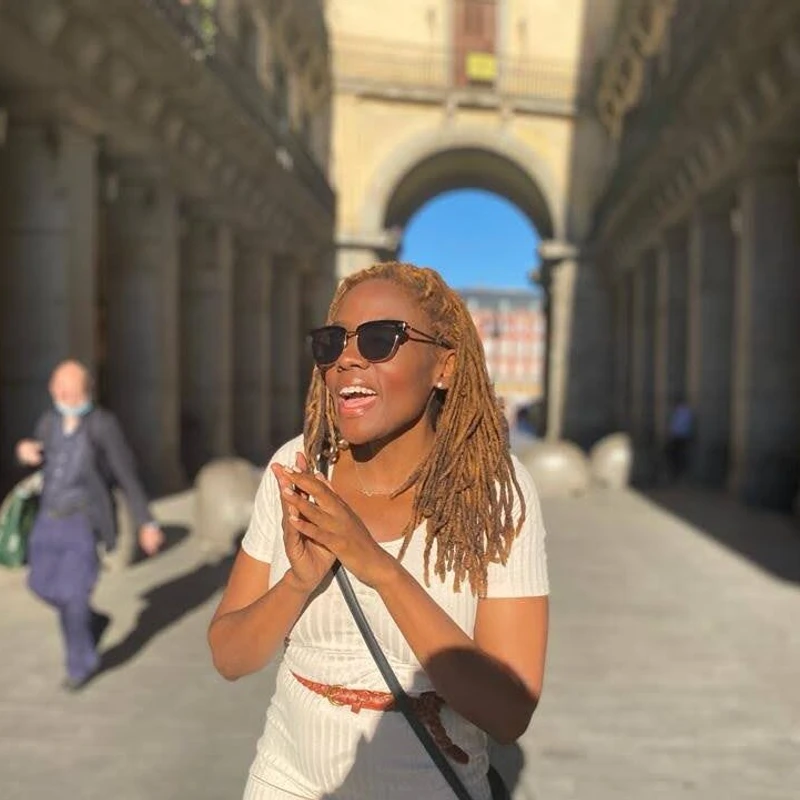
    Imagine leaving everything familiar behind – your career, your home, your country – to chase a different way of life. That’s exactly what Christine Job did when she left Atlanta for Spain. But instead of just finding personal fulfillment, she built ‘Flourish in the Foreign,’ an award-winning podcast and multimedia platform that has become a vital archive for Black women living abroad.

    More Than Just a Travel Podcast

    Launched in 2020, ‘Flourish in the Foreign’ isn’t about curated Instagram feeds or superficial travel tips. Christine’s vision was to create a space for deeply personal stories, capturing the real experiences of Black women navigating life in countries like Portugal, Ghana, Japan, Mexico, and the Netherlands. With over 150 interviews to date, the platform has become an invaluable resource, even earning the Best International Podcast award at the 2021 Black Podcasting Awards.

    Christine’s own journey abroad started long before the podcast. Growing up between Texas and California, with a stint in Germany due to her father’s military service, she developed an early comfort with international travel. This foundation led her to study abroad in Valencia, Spain, during her time at the University of Georgia. After earning her law degree, she chose the entrepreneurial path over a traditional corporate law career, but found herself facing burnout early on.

    The Camino de Santiago: A Turning Point

    A pivotal moment arrived in 2014 when Christine walked nearly 500 miles across northern Spain on the Camino de Santiago pilgrimage route. This intense, solitary journey forced a profound self-reflection. ‘Somewhere along that road, I got honest,’ she shared with BLACK ENTERPRISE. This experience was the catalyst for her permanent move to Spain in 2017, a decision that was initially planned for just two years but has now stretched into nearly a decade.

    Now based in Valencia, Christine has established a consulting practice and continues to expand her research archive, focusing on the often-untold challenges of migration. She emphasizes that while moving abroad can offer a ‘genuine, physiological sense of release’ from chronic stress and systemic issues faced in the U.S., ‘relief is not liberation.’ True liberation, she notes, requires structural and internal changes that can’t simply be outsourced to a new geography.

    Navigating Migration: Realities vs. Romanticism

    Christine observes that many highly educated Black women she interviews feel a sense of dissatisfaction or exhaustion despite achieving conventional success markers like degrees and homeownership in the U.S. This fuels a growing curiosity about alternative ways of living. However, she is careful not to romanticize migration, stressing that it is ‘disruptive,’ ‘hard,’ and ‘full of sacrifice.’

    Financially, she points out that U.S. salaries are typically higher, but the lower cost of living in places like Spain allows a professional income to support a higher quality of life. This includes access to healthcare without constant financial calculation and more valuable time – a form of capital often undervalued in American culture. She advises thorough research, including visa options and financial strategies that decouple income from location, turning it into an intellectual exercise.

    Cultural Adjustment and Belonging

    Culturally, Christine found it more beneficial to study Spain as its own system rather than trying to replicate her American life. She also cautions against the misconception that shared melanin guarantees belonging. ‘The African diaspora is not monolithic,’ she stresses, explaining that moving to a place with an established Black community doesn’t automatically grant entry due to differing histories, class dynamics, and cultural nuances.

    Looking ahead, Christine is expanding her work. She’s undertaking a doctoral program in Migration Studies, focusing on the voluntary migration of Black American women. She’s also developing a book that aims to correct the narrative surrounding Black women leaving America and what their stories reveal about power, belonging, and liberation. Her current projects, including the Substack publication ‘Love Letters from Elsewhere,’ are building a significant body of work – an archive, scholarship, and literature.

    What are your thoughts on Christine Job’s journey and the ‘Flourish in the Foreign’ platform? Have you ever considered moving abroad? Share your experiences and opinions in the comments below!

  • Hillary Clinton Warns of Attacks on Women’s Voices

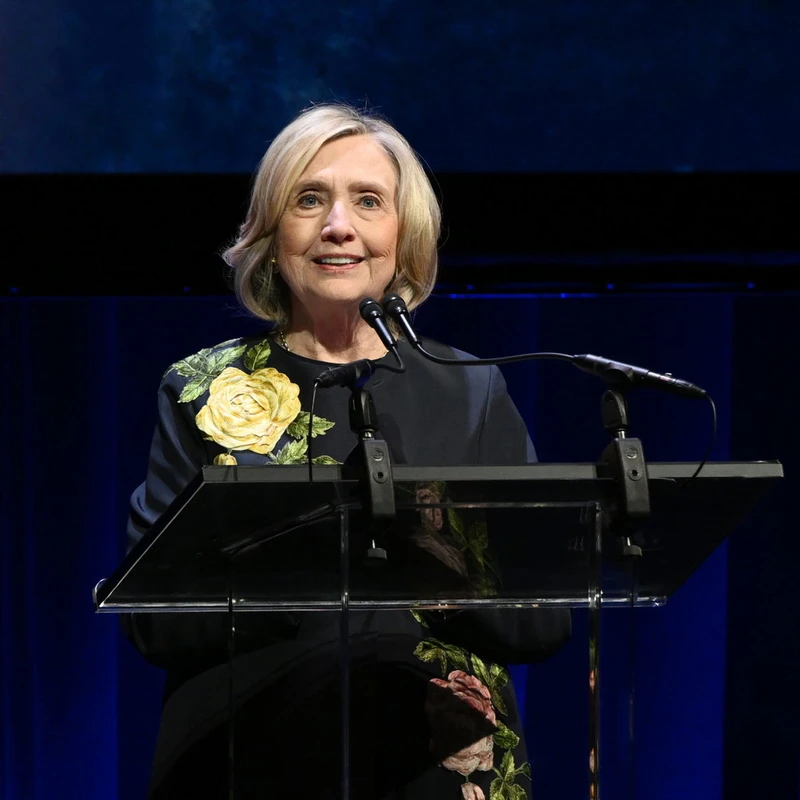
    Former U.S. Secretary of State Hillary Clinton delivered a powerful closing speech at the 24th Annual Global Leadership Awards, hosted by Vital Voices Global Partnership. She didn’t hold back when discussing what she described as escalating ‘attacks’ on women’s equality, rights, and their full participation in society, warning that these assaults pose a significant threat to democracies worldwide.

    Honoring Changemakers at the Global Leadership Awards

    The event, held at the Perelman Performing Arts Center in New York City on April 23, celebrated women leaders who are making a profound impact. These honorees are tackling critical global challenges, including climate change, economic inequality, digital safety, and advocating for women’s rights. The ceremony featured inspiring speakers like marketing executive Bozoma Saint John, fashion designer Diane von Furstenberg, actresses Sophia Bush and Michelle Rodriguez, and CNN anchor Abby Phillip.

    Huma Abedin, a former top aide to Clinton and an author, highlighted the importance of recognizing these often unsung heroes. “There are [people] who have not heard of many of these honorees, but they’re doing incredible things in their communities,” Abedin noted. “To see what they’re doing and what they’ve successfully done in their communities is inspiring to all of these young women, and we need that now more than ever.”

    Trailblazers and Icons Recognized

    The 2026 honorees included Dame Donna Langley, who received the Trailblazer Award for her leadership in entertainment. Langley spoke about the persistence needed for change, stating, “Pushing forward when progress is stalled, and discouragement creeps in, is when the work matters most.” Susie Wolff was presented with the Icon Award by Sophia Bush, who emphasized Wolff’s role in paving the way for women in sports and leadership. Wolff underscored the need for investment and opportunity in women’s sports, saying, “When we get the people with power backing us, when we get the investments, we’ve shown what’s possible.”

    Further recognition was given to Tracy Chou and Seyi Akiwowo for their crucial work in combating online harm and enhancing digital safety. Activist Shirin Musa and conservationist Farwiza Farhan were also among the distinguished recipients, celebrated for their transformative global efforts.

    A Call to Resist Repression

    Throughout the evening, the urgency of protecting women’s rights and amplifying women’s leadership was a recurring theme. In her closing remarks, Clinton reflected on Vital Voices’ nearly three-decade mission. She issued a stark warning: “The attacks on women’s voices, women’s rights, women’s opportunity, our full participation in society, have weakened democracies and strengthened the hand of authoritarians.” She emphasized that this is not accidental but a deliberate strategy.

    The attacks on women’s voices, women’s rights, women’s opportunity, our full participation in society, have weakened democracies and strengthened the hand of authoritarians. This is not by accident. This is by design. — Hillary Clinton

    Clinton concluded by framing the evening’s honorees as integral to the “resistance to that growing repression.” She expressed her admiration for their resilience and determination in refusing to accept the status quo or efforts to reverse progress, finding their actions consistently inspiring.

    What are your thoughts on Hillary Clinton’s message about the attacks on women’s voices? Share your perspective in the comments below!

  • Trump Claims Credit for Existing Retirement Law

    During a recent lengthy address, Donald Trump announced a new initiative aimed at helping Americans without employer-sponsored retirement plans. He proposed that his administration would match contributions up to $1,000 annually for these workers, framing it as a solution for the “often-forgotten American workers.”

    However, a closer look reveals that the policy Trump presented as a new proposal is actually already part of existing law. The $1,000 federal match he described is a key provision within the SECURE 2.0 Act, a bipartisan retirement reform package that was signed into law by President Joe Biden back on December 29, 2022.

    The Saver’s Match Explained

    This significant legislation, included in a broader government funding bill, introduced several measures designed to expand access to retirement savings, particularly for lower- and middle-income individuals. The specific provision Trump highlighted, often called the Saver’s Match, replaces an older tax credit with a direct federal contribution.

    Starting in 2027, eligible individuals will be able to have up to $1,000 deposited directly into their retirement accounts. This policy aims to address the long-standing issue that millions of American workers lack access to employer-sponsored retirement plans, impacting their long-term financial security.

    Policy vs. Presentation

    What makes this situation notable is the contrast between the policy’s substance and how it was presented. While the retirement match aligns with the SECURE 2.0 Act, Trump introduced it without acknowledging its legislative origins or its already established rollout timeline. This gap between messaging and policy reality is now a focal point in discussions about economic policy and credit for bipartisan achievements.

    Lawmakers from both parties have worked for years to close the retirement savings gap through various incentives and access expansions. The SECURE 2.0 Act represents a significant bipartisan effort to tackle this issue, and its provisions, like the Saver’s Match, are already set to make a difference.

    The Broader Conversation

    As political narratives continue to shape discussions around economic policy, the way initiatives are presented versus their actual legislative history becomes increasingly important. Understanding the facts behind policy proposals ensures a clearer picture of governmental actions and their bipartisan roots.

    What are your thoughts on politicians taking credit for existing policies? How important is it to you that bipartisan efforts are acknowledged? Share your views in the comments below!
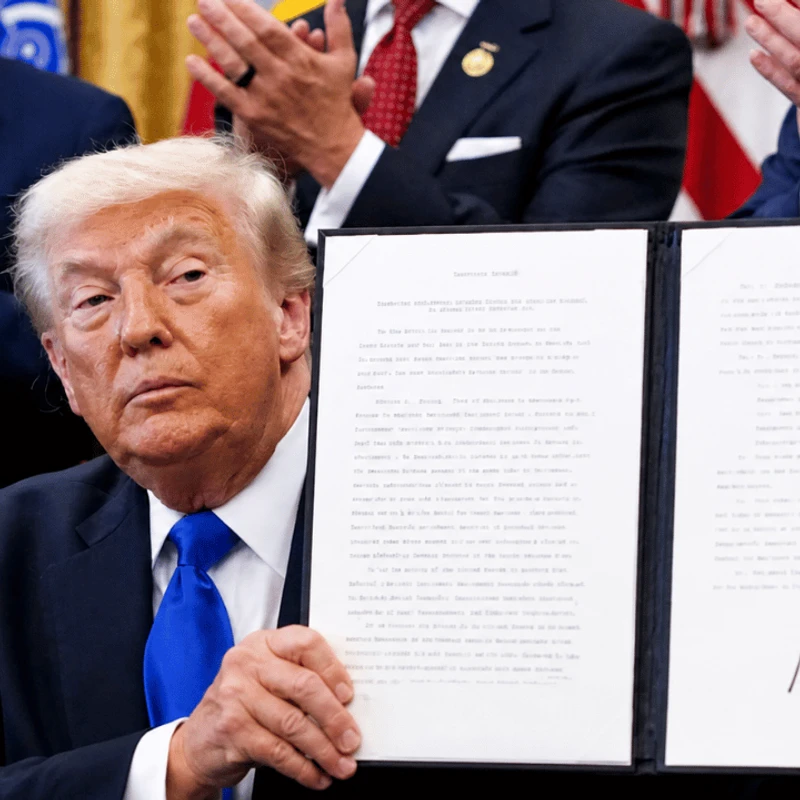
  • Trump’s Face on Passports: A ‘Troubling Trend’?

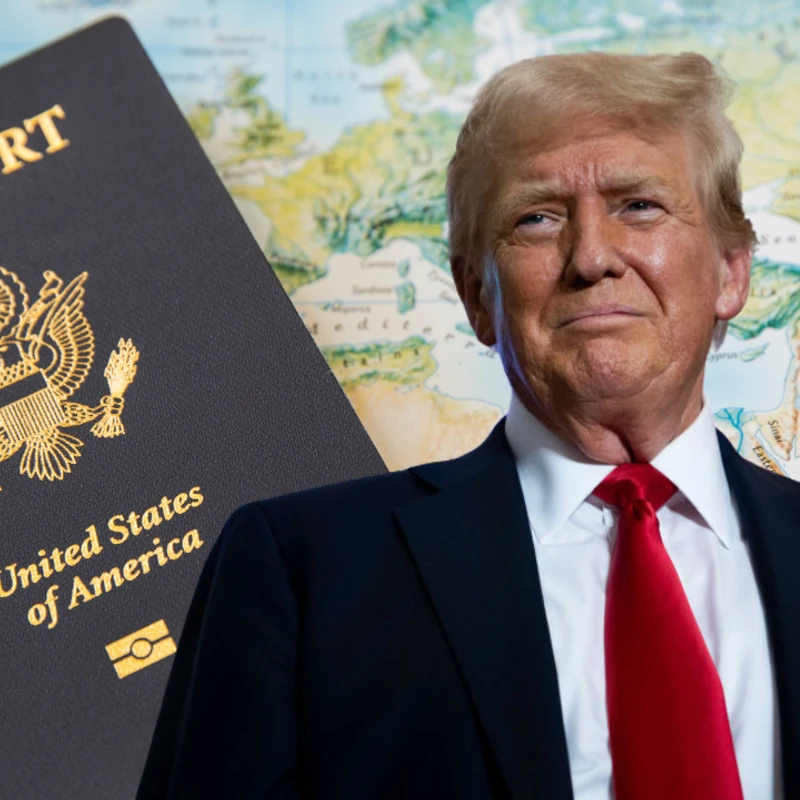
    In a move that’s raising eyebrows and sparking debate, the U.S. Department of State has announced plans to feature President Donald Trump’s image on a limited-edition U.S. passport. This commemorative passport is set to be released in July to mark the semiquincentennial of the United States, celebrating 250 years of American history.

    A Passport Design with a Presidential Portrait

    The special passport will include a portrait of Trump, alongside images of the Founding Fathers and the Declaration of Independence, all rendered in his signature gold color. State Department spokesperson Tommy Pigott stated that these passports will maintain the same high security features that make U.S. passports globally recognized as secure documents. The administration claims these will be available while supplies last and won’t incur extra fees.

    However, the decision to place a living president’s image on a national symbol of identity has drawn sharp criticism from former officials and policy experts. They argue this move deviates significantly from democratic principles and sets a concerning precedent.

    Critics Slam the Move as ‘Monarchical’

    Desirée Cormier Smith, a former Special Representative for Racial Equity and Justice at the State Department, told TheGrio that the passport design is fundamentally at odds with the idea of a government ‘for the people, by the people.’ She described the move as ‘more consistent with a monarchy – or worse a cult – that idolizes its leader.’

    Echoing these concerns, Dr. Nola Haynes, a foreign policy advisor and professor at Georgetown University, called the passport design ’emblematic of a troubling trend towards the elevation of individual leaders to almost regal status.’ She emphasized that while the State Department has the authority to design passports, scrutinizing the implications is crucial. By featuring his image on a symbol of national identity, Trump is perceived as positioning himself as someone deserving of veneration, rather than just a public servant.

    A Pattern of Personal Branding on Public Property

    This passport decision isn’t an isolated incident. Since returning to the White House, President Trump has been noted for his efforts to place his likeness and name on various federal properties and programs. This includes renaming institutions like the Kennedy Center and the U.S. Institute of Peace, displaying his portrait on government buildings, and creating programs like TrumpRx and Trump savings accounts.

    Furthermore, a Trump-appointed panel approved plans for a new commemorative gold coin featuring his image, breaking a long-standing tradition of not featuring living presidents on U.S. currency. Even renovations to the White House, including the Rose Garden and plans for a new ballroom, have been seen as reflecting his personal aesthetic.

    Potential Backlash and International Perception

    Dr. Haynes also suggested that these passports might not achieve their intended effect of inspiring international travel to the U.S. She believes it could backfire, as the global community may not view Trump in the same light as his supporters. The move raises questions about the normalization of authoritarian impulses and the importance of remaining vigilant against attempts to centralize power and cultivate a cult of personality.

    • Limited-edition U.S. passports will feature Donald Trump’s image for America’s 250th anniversary.
    • Critics argue this is a ‘troubling trend’ towards idolizing leaders.
    • Former officials compare the move to monarchies or cults.
    • This follows a pattern of Trump branding federal properties and programs.
    • Experts question the international perception and potential backlash.

    What are your thoughts on President Trump’s image appearing on U.S. passports? Do you see this as a celebration or a concerning trend? Share your views in the comments below!
  • Hakeem Jeffries Slams Trump Press Secretary Over WHCD Shooting Blame

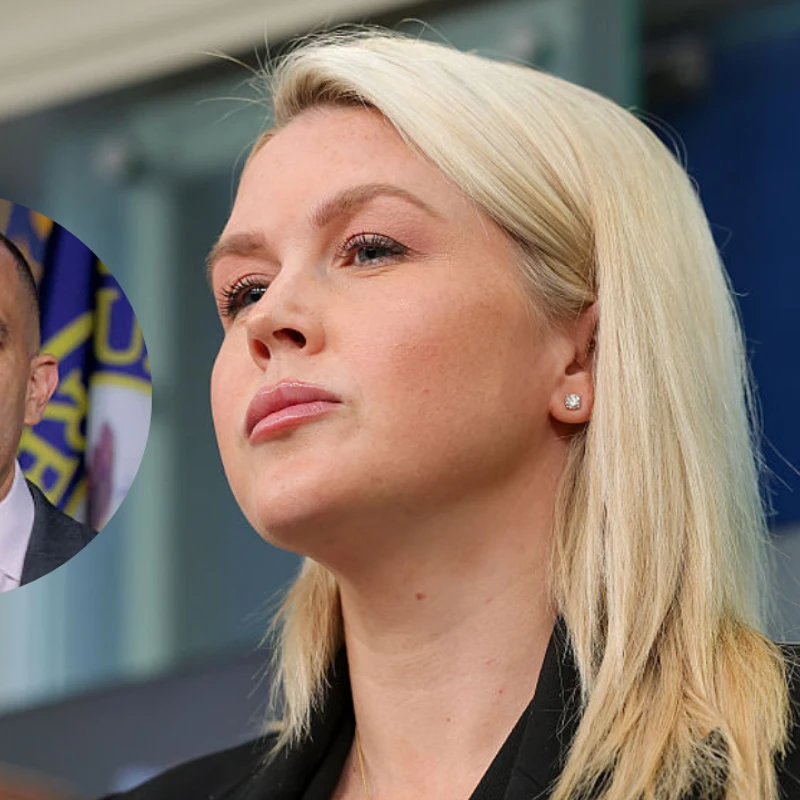
    Tensions are high in Washington, and a recent incident at the White House Correspondents’ Dinner has sparked a fiery exchange between top political figures. After White House Press Secretary Karoline Leavitt pointed fingers at Democrats for the shooting that occurred during the event, U.S. Rep. Hakeem Jeffries didn’t hold back his response.

    Accusations Fly After Shooting Incident

    The controversy began when Leavitt, speaking for the Trump administration, suggested that the rhetoric used by Democrats, including House Democratic leader Hakeem Jeffries, inspired individuals to commit acts of violence. She specifically cited statements made by Jeffries and other prominent Democrats, claiming these ‘despicable statements’ have led ‘mentally perturbed individuals’ to act.

    Leavitt quoted Jeffries saying, ‘We are in an era of maximum warfare everywhere all the time,’ and also referenced remarks from figures like Governor Josh Shapiro and Senators Alex Padilla and Elizabeth Warren, framing their criticisms of the Trump administration as dangerous. She implied that this language was directly linked to the attempted assassination of Donald Trump, for which 31-year-old Cole Tomas Allen was charged.

    Jeffries Delivers a Scathing Rebuttal

    Jeffries, who is in line to potentially become the first Black Speaker of the House if Democrats regain the majority, swiftly responded to Leavitt’s accusations. During a press conference, he didn’t mince words, calling the White House Press Secretary a ‘disgrace’ and a ‘stone-cold liar.’

    He accused Leavitt of reading ‘talking points’ that were critical of Democrats’ statements, which he claimed were taken out of context. Jeffries highlighted what he saw as a hypocrisy from the Trump White House, noting their silence on the rhetoric from ‘MAGA extremists.’ He pointed to the January 6th Capitol attack, where police officers were brutally beaten, and mentioned that some rioters have reoffended, with one even threatening his life.

    Rhetoric, Insurrection, and Civility

    Jeffries further emphasized the seriousness of political violence by referencing the arson attack on Pennsylvania Governor Josh Shapiro’s home while his family was present. He directly challenged Leavitt’s call for civility, stating, ‘This so-called White House press secretary wants to lecture America and lecture us about civility. Get lost. Clean up your own house before you have anything to say to us about the language that we use.’

    Democratic strategist Antjuan Seawright echoed Jeffries’ sentiments, telling TheGrio that Leavitt suffers from ‘stage four liar-betes’ and is a major source of misinformation. He characterized her and other Trump officials as ‘pathological liars’ driven by a desire to please Donald Trump.

    What are your thoughts on the exchange between Rep. Hakeem Jeffries and Press Secretary Karoline Leavitt? Share your views in the comments below!
  • Trump’s Outburst Over ‘Rapist’ Accusation Explained

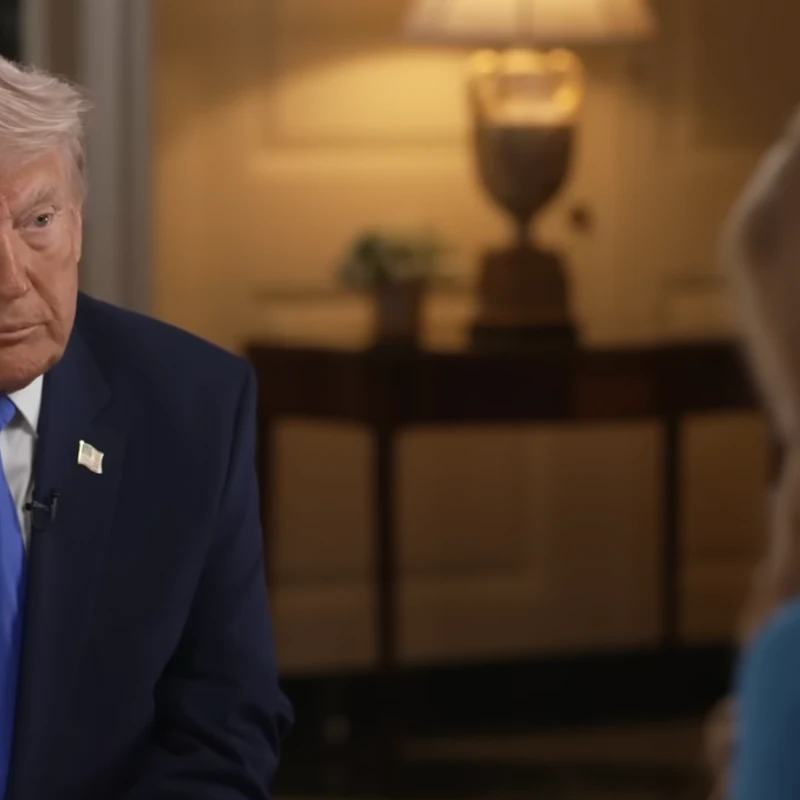
    During a recent ’60 Minutes’ interview, President Donald Trump had a notably strong reaction when confronted with excerpts from a manifesto written by the suspect in a shooting incident near the White House Correspondents’ Dinner. The suspect, identified as 31-year-old Cole Tomas Allen, faces charges including attempted assassination and firearm violations.

    Confronted with Disturbing Accusations

    Host Norah O’Donnell read passages from Allen’s writings, which included statements like, “Administration officials, they are targets,” and, “I am no longer willing to permit a pedophile, rapist, and traitor to coat my hands with his crimes.” Although the manifesto’s references might have been aimed broadly at administration officials, Trump immediately took them personally.

    Trump, who has previously been found liable for sexual abuse and has faced scrutiny over his past associations, reacted sharply to O’Donnell’s questions. He lashed out at the interviewer and the media, vehemently denying the accusations. “Well, I was waiting for you to read that because I knew you would because you’re you’re horrible people. Horrible people,” Trump stated.

    Denials and Deflections

    When pressed about whether the suspect was referring to him, Trump responded, “I’m not a rapist. I didn’t rape anybody.” He continued, “I’m not a pedophile. You read that crap from some sick person. I got associated with stuff that has nothing to do with me. I was totally exonerated.” He also attempted to deflect by mentioning others, stating, “Your friends on the other side of the plate are the ones that were involved with, let’s say, Epstein or other things.”

    Democratic strategist Antjuan Seawright commented on Trump’s intense reaction, telling theGrio, “Anger is a way to overcompensate, and also it’s a way to distract from the real issues.” Seawright added that Trump’s outburst indicated he was more interested in deflecting than addressing the substance of the interview.

    A Pattern of Controversy and Deflection

    This isn’t the first time Trump has faced accusations related to sexual misconduct. He has been accused by multiple women, including E. Jean Carroll, who successfully sued him for sexual abuse. His past friendship with convicted sex trafficker Jeffrey Epstein has also repeatedly resurfaced, often prompting angry responses from Trump, who has urged the press to move on from the topic.

    The Epstein controversy has also been linked to conspiracy theories, including the ‘deep state’ pedophile narrative that Trump embraced during his 2016 presidential campaign. Seawright emphasized the importance of media accountability, stating that Trump’s aggressive stance towards the media highlights why they must “hold him accountable.”

    • President Trump reacted intensely to accusations in a suspect’s manifesto during a ’60 Minutes’ interview.
    • The manifesto contained references to ‘pedophile,’ ‘rapist,’ and ‘traitor.’
    • Trump vehemently denied the accusations and deflected blame.
    • Experts suggest his anger is a tactic for overcompensation and distraction.
    • This incident adds to a history of controversies surrounding Trump’s alleged misconduct and his relationship with the media.

    What are your thoughts on President Trump’s reaction to these accusations? Do you believe his anger is a form of deflection? Share your views in the comments below!
  • Trump Suggests Renaming ICE to ‘NICE’

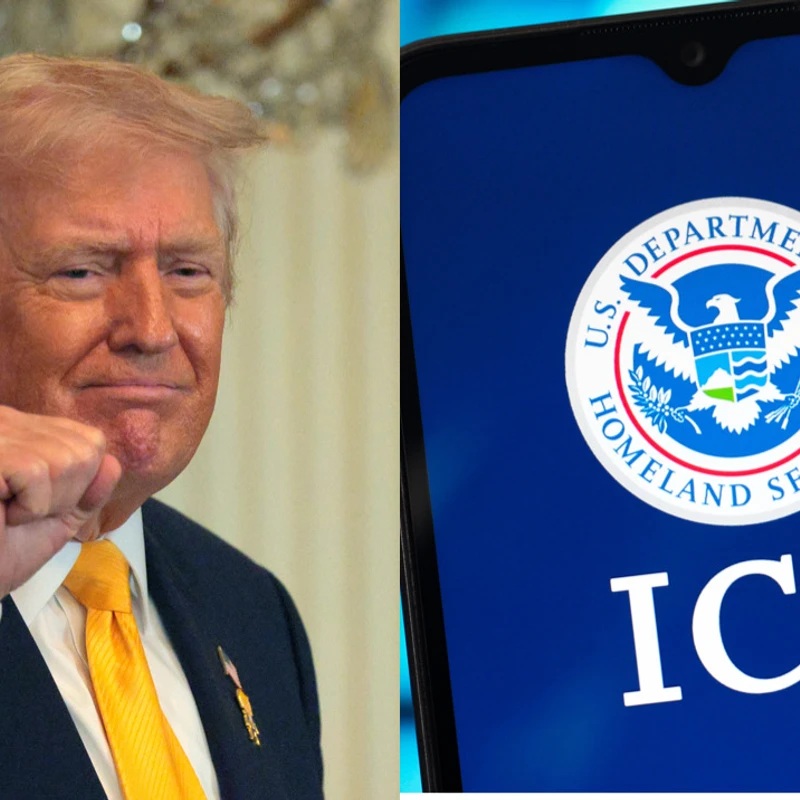
    In the midst of ongoing discussions about immigration policies and accountability, Donald Trump has weighed in with a rather unconventional suggestion. He recently amplified a social media post proposing to rename U.S. Immigration and Customs Enforcement (ICE) to “NICE” – short for National Immigration and Customs Enforcement.

    A ‘Great Idea’?

    The idea, which originated on X, suggested that rebranding ICE to NICE would force media outlets to use the positive term “NICE agents” daily. Instead of dismissing it, Trump enthusiastically endorsed the concept, responding with “GREAT IDEA!!! DO IT. President DJT.”

    Reactions and Criticisms

    This proposal has drawn significant criticism, as many feel it sidesteps the core issues surrounding ICE. For numerous immigrant communities and advocates, ICE is associated with controversial policies and actions, such as family separations at the border, harsh detention center conditions, and aggressive raids. These experiences have led to ICE symbolizing fear and uncertainty, rather than safety.

    Critics argue that simply changing the name does little to address the systemic concerns and the real-life impact of the agency’s operations. Many Democrats and advocacy groups believe the focus should be on implementing more humane immigration policies, including pathways to citizenship and reducing reliance on detention and deportation, rather than on branding.

    A Branding Gimmick vs. Real Reform

    While Trump and his administration have historically emphasized border security and stricter enforcement, this suggestion is seen by many as a superficial branding tactic rather than a genuine solution to complex immigration challenges. The debate highlights a fundamental divide in how immigration enforcement should be approached – whether through stricter measures or more human-centered reforms.

    What are your thoughts on renaming ICE to ‘NICE’? Do you think a name change addresses the real issues? Share your perspective in the comments below!

  • Rotisserie Chicken Could Be SNAP Eligible

    Imagine grabbing a hot, ready-to-eat rotisserie chicken with your SNAP benefits. That possibility is closer than you think, thanks to a new bipartisan bill making its way through Congress. The “Hot Rotisserie Chicken Act,” championed by Senators John Fetterman (D-PA) and Jim Justice (R-WV), aims to update the rules for the Supplemental Nutrition Assistance Program (SNAP).

    The ‘Hot Rotisserie Chicken Act’

    Currently, SNAP recipients can purchase cooked rotisserie chicken, but only if it’s cooled. This new legislation seeks to amend the 2008 Food and Nutrition Act to include “hot rotisserie chicken” by modifying the definition of food eligible for purchase. The core idea is to allow SNAP recipients to buy hot, prepared meals.

    Senator Fetterman highlighted “affordability” as the key driver for this change, citing Costco’s popular $4.99 rotisserie chicken as a prime example. “It’s one of my family’s favorites, and I’m proud to join this bill with Senator Justice for all to try,” Fetterman stated. “SNAP funds would be well spent to feed our nation’s families who need it.”

    Bipartisan Support for Convenience and Nutrition

    The bill has garnered support from other lawmakers, including Senator Michael Bennett (D-CO) and Senator Shelley Moore Capito (R-WV). Senator Justice emphasized the practicality of the change, stating, “It’s plain common sense: a hot rotisserie chicken is a healthy, easy meal for busy families. Folks on SNAP should be able to grab one on the go.” This sentiment is echoed by critics who argue the decades-old ban on hot meals is outdated and limits access to nutritious options for families already struggling.

    Aligning with Dietary Guidelines

    Similar legislative efforts support making rotisserie chicken more accessible. Representative Rick Crawford (R-Ark.) has pushed for its inclusion in the Dietary Guidelines for Americans, noting its popularity, availability, and alignment with promoting nutrient-dense protein. Even Arkansas Governor Sarah Huckabee Sanders has supported extending SNAP to cover hot rotisserie chicken through a waiver.

    This initiative is part of a larger debate surrounding SNAP eligibility, with nearly 42 million Americans relying on the program. While some push for broader access to convenient, healthy options, others, like HHS Secretary Robert F. Kennedy Jr., urge states to exclude junk food from SNAP purchases. The “Hot Rotisserie Chicken Act” represents a move towards increasing food options for families facing economic challenges.

    What are your thoughts on making hot rotisserie chicken eligible for SNAP benefits? Do you think this is a positive step towards food affordability and accessibility? Share your opinions in the comments below!

  • Trump Calls White House Stunts ‘Tacky’

    Well, this is a bit of a surprise! Donald Trump recently admitted that some of the White House’s public relations stunts, including a widely publicized DoorDash delivery to the Oval Office, were, in his words, ‘a little tacky’ and ’embarrassing.’ While he acknowledged the awkwardness, he quickly pivoted, asserting that these unconventional tactics have ultimately helped him secure landslide election victories.

    The ‘DoorDash Grandma’ Incident

    The specific event Trump was referring to happened earlier this week. Sharon Simmons, a grandmother from Arkansas, delivered McDonald’s meals directly to the Oval Office. This staged event was meant to highlight the first anniversary of the administration’s “No Tax on Tips” policy. Simmons shared that the policy allowed her to save an extra $11,000, which she used for her husband’s cancer treatments.

    However, Trump wasn’t exactly thrilled with the execution. Speaking at a discussion in Las Vegas on April 16, he described the moment: ‘I met a wonderful woman named Sharon Simmons… a grandmother driving DoorDash,’ he recounted. ‘She delivered McDonald’s to the Oval Office. It was a little bit of a—you know, I mean, to be honest, it was a little tacky.’

    Criticism and Controversy

    The ‘DoorDash Grandma’ moment, intended to humanize the ‘One Big Beautiful Bill,’ faced significant backlash. Economic analysts and media outlets pointed out that Simmons’ situation—a gig worker struggling to cover her husband’s Stage 3 cancer treatments—was less a story of ‘flexibility’ and more a ‘cautionary tale’ about elders facing financial hardship.

    Adding fuel to the fire, online investigators questioned whether Simmons was a paid actress or a ‘MAGA plant.’ The White House, however, maintained that she was a legitimate gig worker chosen to represent the benefits of the tax policy. This controversy highlighted the fine line between promoting policy and potentially exploiting personal circumstances for political gain.

    PR Tactics and Election Wins

    Despite admitting the ‘tacky’ nature of some stunts, Trump concluded his remarks by emphasizing their effectiveness. He asserted that while his team’s public relations strategies might be unconventional, they have been instrumental in helping him achieve significant electoral success, winning ‘by landslides.’ This suggests a belief that even controversial tactics can serve a strategic purpose in political campaigning.

    The admission offers a rare glimpse into the former president’s perspective on his administration’s communication strategies. It raises questions about the balance between authenticity, policy promotion, and the potential for staged events to backfire or be perceived as disingenuous. As the political landscape continues to evolve, the effectiveness and ethics of such PR tactics remain a subject of ongoing debate.

    What do you think about the use of staged events in politics? Do you agree with Trump that ‘tacky’ stunts can still lead to election wins? Let us know your thoughts in the comments!