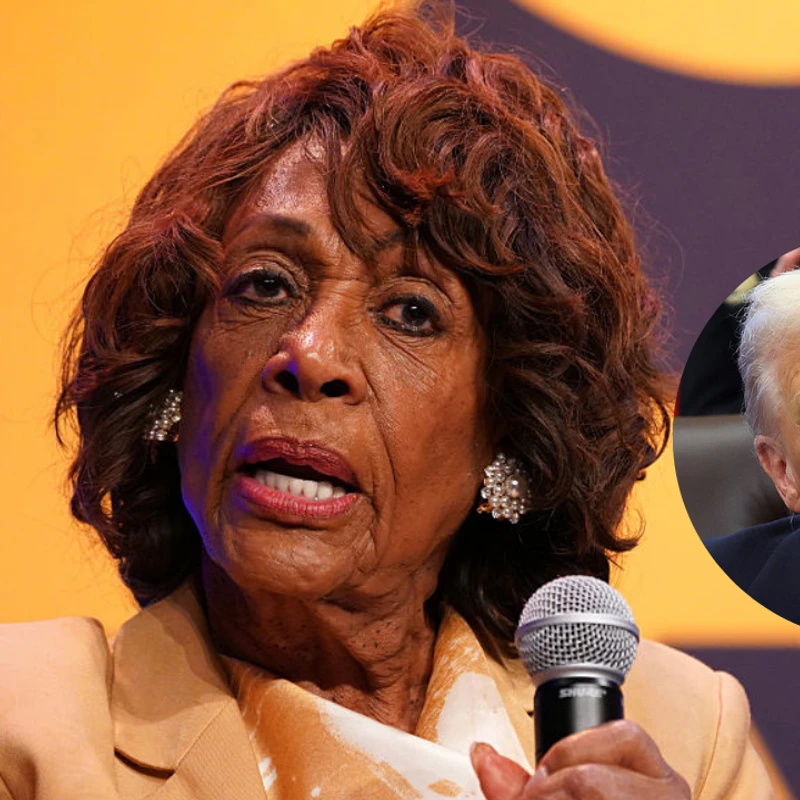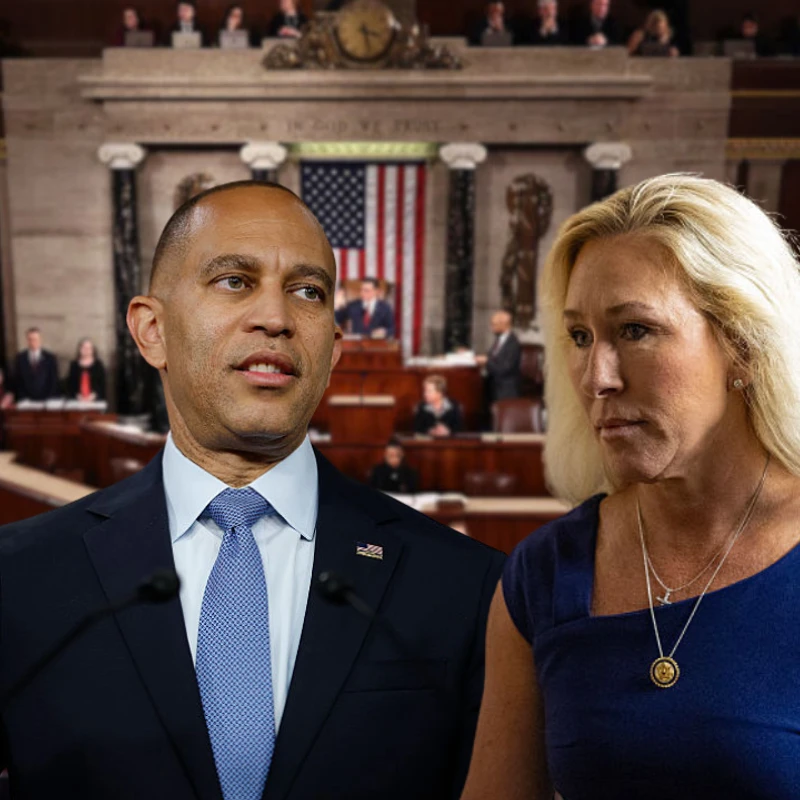
Could a wave of Republican resignations before the 2026 midterm elections lead to Democrats seizing control of the U.S. House of Representatives? Following U.S. Rep. Marjorie Taylor Greene’s announcement to resign from the House effective January 5th, reports suggest several other Republicans might follow suit due to growing dissatisfaction with their roles on Capitol Hill. This potential exodus could dramatically alter the political landscape.
A Slim Majority at Risk
Currently, the Republican party holds a narrow 219-213 majority in the U.S. House. Greene’s departure will immediately shrink this lead to 218, with a special election in Georgia needed to fill her seat. If other Republicans follow through on rumored resignations before the November 3, 2026, midterm elections, the GOP’s already slim majority could effectively vanish.
Furthermore, Democrats stand to gain seats through special elections already scheduled in Texas’s 18th Congressional District (January 31, 2026), New Jersey’s 11th Congressional District (April 16, 2026), and Tennessee’s 7th Congressional District (Tuesday). CNN reports that Democrats have been outperforming their 2024 margins in these U.S. House special elections by an average of 16 points, indicating a potential shift in voter sentiment.
Hakeem Jeffries and a Potential Democratic Majority
Should Democrats manage to secure a majority, even a slim one, House Minority Leader Hakeem Jeffries could be poised to become the next Speaker of the House. This would mark a historic moment, as he would be the first Black Speaker in U.S. history. Democratic strategist Antjuan Seawright, an advisor to Jeffries, noted the difference between political numbers and the overall mood in Washington.
Seawright told TheGrio, “Republicans are figuring out they’re going to have to get on board or sink very quickly. And I think they also realize that means jumping ship when it comes to Trumpism and the extreme policy agenda or lack of agenda, when it comes to Donald Trump.” He believes that a Democratic majority under Jeffries would allow for an agenda focused on the concerns of everyday Americans, particularly regarding affordability.
Governing vs. Campaigning
Seawright praised Jeffries’ understanding of the difference between campaigning and governing, highlighting his ability to address issues from an implementation standpoint. He suggested Jeffries’ approach, which includes understanding those who may disagree with him, would earn him respect across the aisle and the Capitol. The Democratic Party’s focus on issues like healthcare costs is framed not as liberal talking points, but as addressing the core concerns Americans expected the Republican majority to tackle.
Do you think Republican resignations could realistically lead to Democrats taking control of the House before 2026? What impact do you think Hakeem Jeffries would have as Speaker? Share your thoughts in the comments below!