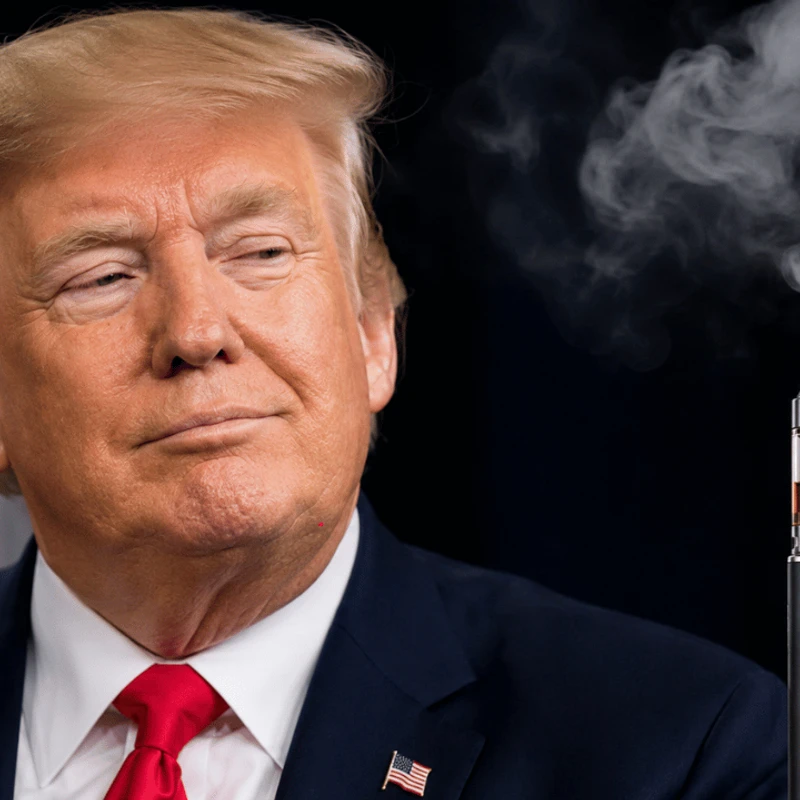
The Trump administration’s approach to vaping regulation is drawing sharp criticism, with the FDA now allowing previously illegal flavored e-cigarette products to remain on the market. This move comes after the administration vowed to “save vaping,” a promise that health advocates fear could undermine years of work to protect young people from nicotine addiction.
A Shift in Regulatory Stance
Electronic cigarettes first appeared in the U.S. around 2007, initially promoted as a less harmful alternative to traditional cigarettes. However, by the mid-2010s, a youth vaping epidemic had taken hold, fueled by flavored products with catchy names and attractive designs. For nearly a decade, regulators worked to establish a premarket authorization system, requiring companies to prove their products were safe for public health before hitting store shelves.
Now, those established safeguards appear to be weakening. In a short period, the Trump administration has authorized marketing for four flavored vaping products and issued new FDA guidance that permits unauthorized vapes to continue being sold. These products are, by definition, illegal to sell without official approval under current law. The FDA seems to be reframing its substantial application backlog not as an urgent crisis, but as a reason to step back from enforcement.
Concerns Over Political Interference
Critics argue that the timing of these policy shifts is no accident. The tobacco industry reportedly invested over $10 million into Trump’s 2024 reelection campaign, with RAI Services Co. (a subsidiary of Reynolds American) being a major corporate donor. This financial backing, coupled with Trump’s explicit promise to “save vaping,” raises serious questions about the influence of industry interests on public health policy.
Brian King, former director of the FDA’s Center for Tobacco Products, expressed alarm, stating, “We’ve reached a period of regulatory reckoning.” He noted a perceived increase in responsiveness to authorizing tobacco products, especially flavored ones, and a diminished ability to resist political pressure, calling such interference “the death knell of evidence-based regulation.”
Potential Public Health Consequences
The potential consequences for public health could be severe. Former CTP Director Mitch Zeller described the new guidance as a “get out of jail free card for illegal products,” a significant concession to the industry that contradicts existing law. Health advocates are particularly worried about the reversal of a positive trend: youth vaping rates had been declining, dropping from 2.13 million middle and high school students in 2023 to 1.63 million in 2024, according to FDA data.
Ranjana Caple, director of federal advocacy for the American Lung Association, voiced concerns: “The timing of this guidance raises serious concerns about priorities and commitment to protecting kids.” She added that the agency seems to be “waving the white flag rather than restoring order to the marketplace.” The administration’s policy shift also led to the resignation of Rich Danker, chief spokesperson for HHS Secretary RFK Jr., who cited concerns over marketing approval for cigarette flavors appealing to children.
What are your thoughts on the FDA’s new vaping guidance under the Trump administration? Do you believe these changes prioritize public health or industry interests? Share your views in the comments below!