Category: Black Excellence and Health Awareness

  • 9 Black Stars Defying Autism Stereotypes

    As conversations about autism become more prominent, it’s crucial to amplify diverse voices within the neurodivergent community. For too long, the experiences of Black individuals on the autism spectrum have been underrepresented or misunderstood. On World Autism Awareness Day, we’re celebrating nine incredible Black celebrities who are bravely sharing their journeys, proving that autism is not a barrier to success but a part of their unique brilliance.

    Challenging Stereotypes and Expanding Representation

    Recent public discourse has sometimes been clouded by misinformation about autism, but these public figures are stepping forward to share their authentic stories. Their visibility helps to dismantle stereotypes, broaden our understanding of autism, and showcase the incredible achievements possible for individuals on the spectrum. From the music charts to the sports arena, these stars are redefining what it means to thrive.

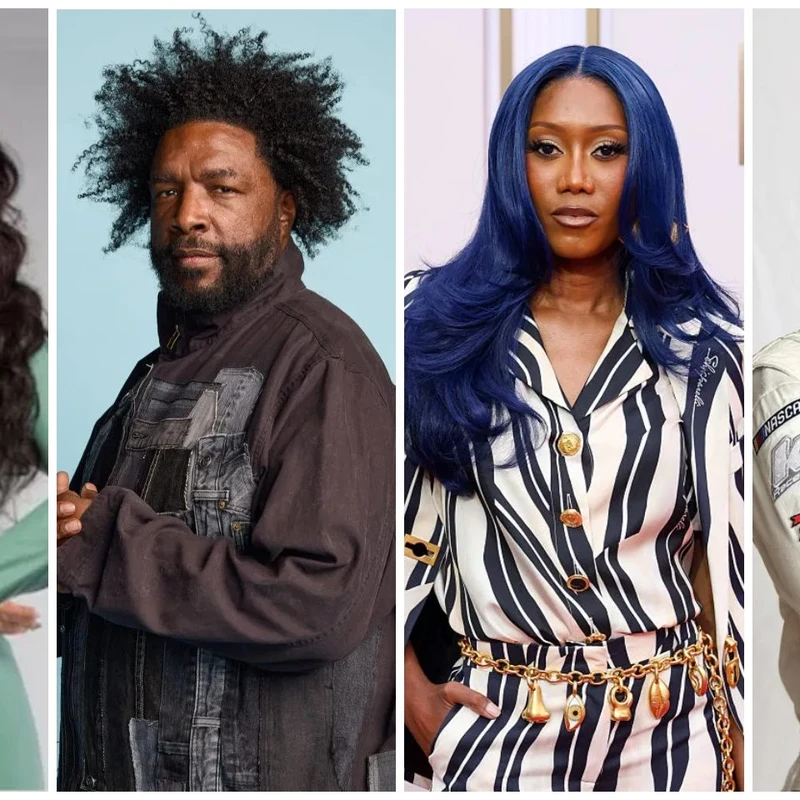
    1. Chrisette Michele, 42

    The Grammy-winning R&B singer shared her autism diagnosis in 2023, describing it as both “jarring” and “liberating.” Growing up, her mother noticed learning disabilities, and a recent neurologist diagnosis provided words to explain lifelong challenges. Michele’s openness validates her hard work and offers hope to others.

    2. Morgan Harper Nichols, 35

    Artist, poet, and author Morgan Harper Nichols received her diagnosis at 31. She advocates for unlearning the need to mask autistic traits, especially as a parent. Nichols emphasizes the importance of self-acceptance, stating she won’t pressure herself to be someone she’s not just to fit in.

    3. Tylan Grant, 23

    This trans actor made history as one of the first Black actors to portray an autistic character on television, while also being autistic himself since age 7. Grant relates to his character Brooke Hathaway, particularly regarding sensory sensitivities and the daily experience of navigating a loud, busy world.

    4. Armani Williams, 25

    As the first openly autistic NASCAR driver, Armani Williams is breaking barriers in a predominantly white sport. Diagnosed at age 2 but informed in middle school, he chose to go public to offer hope and inspiration. Williams uses his platform to raise awareness, inclusion, and acceptance for the autism community.

    5. Questlove, 54

    The iconic co-founder and bandleader of The Roots shared his autism status in his 2013 memoir. His parents noted his unusually calm and quiet nature as a baby, observing his fascination with simply watching records spin for hours. Questlove’s journey highlights how autism can manifest in diverse ways.

    6. Breanna Clark, 30

    Paralympic athlete Breanna Clark, diagnosed with autism and an intellectual impairment at age 4, is a testament to overcoming perceived limitations. She has won two gold medals at the Paralympic Games (Rio 2016 and Tokyo 2020), defying negative prognoses and inspiring her mother, who calls her achievements “fulfilling.”

    7. John Howard, 42

    MMA fighter John Howard discovered his autism diagnosis after a neurological exam in 2016. Initially confused, he learned to view his diagnosis as a strength. Howard believes his unique way of processing information makes him a better fighter, turning a perceived disadvantage into a powerful weapon.

    8. Muni Long, 36

    The R&B singer, also known for her battle with lupus, revealed her autism diagnosis in 2023. Long believes that repressing her authentic self, which she identifies as autistic, contributed to her autoimmune disease. She’s now embracing her true self to heal and find freedom.

    9. Amanda Seales, 44

    Comedian and actress Amanda Seales announced her autism diagnosis, noting the challenges in identifying it in Black women due to racism and societal perceptions. She explains that neurodivergence means functioning differently, and her unique presentation has sometimes been misinterpreted.

    These nine individuals are powerful examples of how autism does not define limitations but rather contributes to unique strengths and perspectives. Their courage in sharing their stories is invaluable in fostering a more inclusive and understanding world for everyone on the autism spectrum.

    Who else inspires you in the neurodivergent community? Share your thoughts and who you admire in the comments below!
  • AI Camera: Diabetes Detection Made Easy

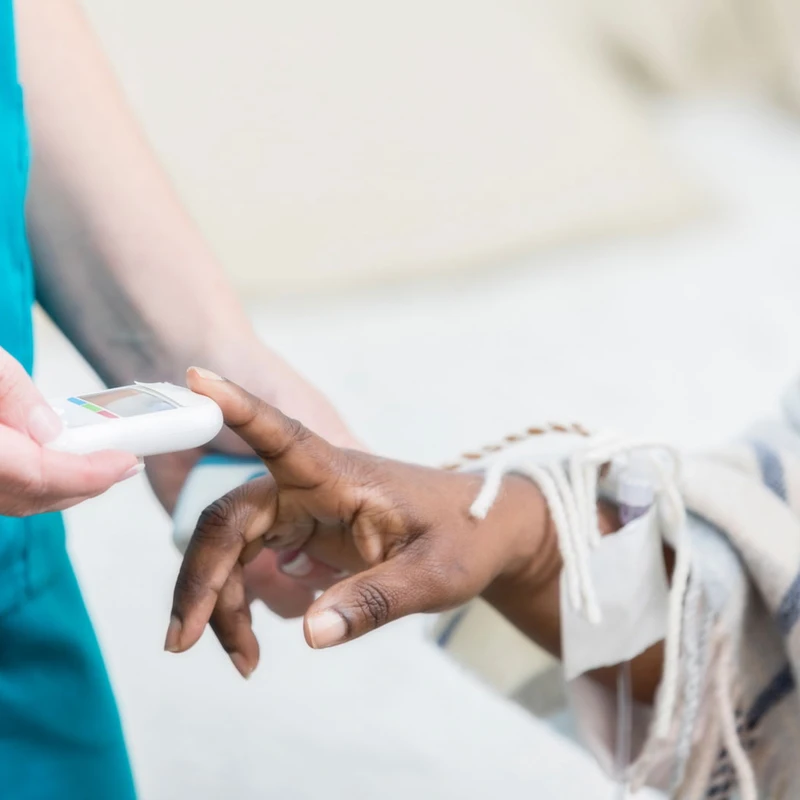
    Imagine getting a crucial health screening done in minutes, right at your local clinic, without needing a specialist appointment. That’s the future of diabetes detection, thanks to incredible advancements in AI-powered camera technology. These innovative devices are making it easier and faster than ever to spot early signs of diabetic retinopathy, a leading cause of blindness in working-age adults.

    Bridging the Gap in Eye Care

    For too long, detecting diabetic eye disease has involved lengthy waits for ophthalmology appointments, a process that often creates significant barriers, especially for those in low-income or rural communities. This new AI Fundus Camera is changing the game by bringing high-resolution retinal imaging and sophisticated AI algorithms directly to primary care offices and even local pharmacies.

    The process is remarkably quick. In as little as 30 seconds, these cameras can capture detailed images of your retina. The AI then analyzes these scans, flagging potential issues and determining if a follow-up with a specialist is needed. This means faster intervention and a much better chance of preventing irreversible vision loss.

    Why This Matters for Early Intervention

    Dr. Sumit Sharma, a vitreoretinal surgeon at the Cole Eye Institute, highlights the convenience factor. “Improving the convenience of screenings means we may catch more disease in more patients, and also catch it earlier, even while asymptomatic,” he noted. This accessibility is key, as many patients who develop severe disease often face the greatest challenges in accessing regular medical care.

    By integrating these screenings into routine visits, the AI camera system removes significant logistical hurdles. This proactive approach is already showing impressive results, with one manufacturer reporting a 40% increase in screening compliance among high-risk populations. It’s a powerful step forward in making essential health diagnostics more equitable and effective.

    The Power of Autonomous AI

    What’s truly revolutionary is the autonomous nature of the AI software. Specialized eye doctors don’t need to be on-site to interpret the images immediately. The AI provides an instant result – either a referral is warranted or it’s not – allowing for immediate next steps if necessary. This efficiency is a game-changer for healthcare accessibility.

    What are your thoughts on AI transforming healthcare accessibility? Share your insights in the comments below!

  • Solidcore CEO: DEI & Profit Go Hand-in-Hand

    In a time when many companies are stepping back from Diversity, Equity, and Inclusion (DEI) initiatives, Solidcore’s Black CEO, Bryan Myers, is doubling down. He firmly believes that fostering an inclusive environment isn’t just the right thing to do – it’s a smart business strategy that drives profitability. Myers is on a mission to prove that you don’t have to choose between doing good and doing well.

    Building a Welcoming Fitness Community

    Solidcore has surged in popularity, becoming a go-to spot for intense workouts that build lean muscle and foster a sense of community. With over 160 studios nationwide and plans for further expansion, Myers is focused on making Solidcore a leader not just in fitness, but in diversity. He understands that boutique fitness studios haven’t always felt accessible to everyone, often carrying an air of exclusivity.

    Myers aims to change that perception. “The way to be ‘in’ and the thing that we celebrate publicly is the work that you put in,” he explained. This philosophy opens the door to welcoming individuals who might typically feel excluded from the boutique fitness scene, especially reformer Pilates. If you’re willing to put in the effort, Solidcore wants you.

    DEI as a Business Strategy, Not Just PR

    The rise of the anti-DEI movement has led some companies to abandon their inclusion efforts, often citing profit concerns. Myers, however, sees DEI as integral to Solidcore’s success. He argues that many companies backpedaled on DEI because it was never truly integrated into their business model, but rather treated as a public relations tactic.

    For Myers, it’s about building a strong business. “When people think about what reformer brand is the de facto landing spot for Black women, I want it to be Solidcore,” he stated. This vision positions DEI as a core component of the company’s identity and growth strategy, not an optional add-on.

    Challenging the Status Quo

    Myers is challenging the common misconception that prioritizing inclusivity means sacrificing profitability. “There’s this underlying belief that we have to sacrifice our profitability in order to do DEI,” he said. “The weight of the responsibility that I feel as a leader is to show others that you don’t have to pick a lane. You can actually do both profitable business and prioritize inclusivity.”

    You don’t have to pick a lane. You can actually do both profitable business and prioritize inclusivity. — Bryan Myers, CEO of Solidcore

    As Solidcore continues to expand, Myers’ commitment to DEI remains unwavering. He’s setting a new standard in the fitness industry, demonstrating that a company can thrive by embracing diversity and ensuring that all individuals feel valued and welcomed.

    What are your thoughts on companies prioritizing DEI alongside profits? Let us know in the comments!