Category: AI in Music Controversy

  • K. Michelle Battles AI Music, Plans Lawsuit Over Voice Theft

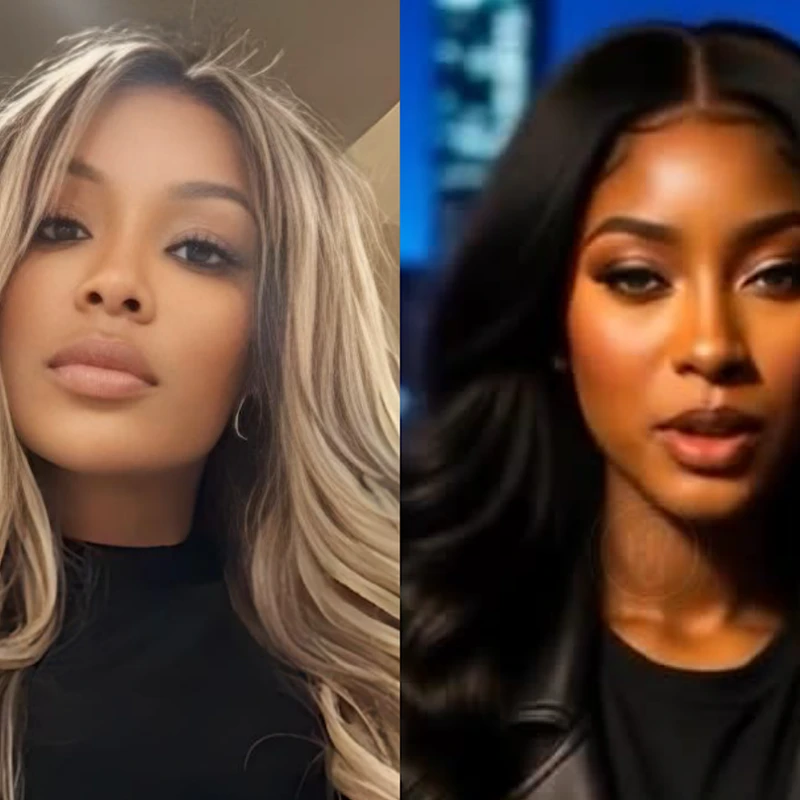
    The debate around Artificial Intelligence in music is heating up, and singer K. Michelle is making her stance crystal clear: she’s not a fan. Following social media comparisons between her and the AI R&B artist Xania Monet, K. Michelle has announced plans to sue, alleging that her unique vocal “tones and voice” are being used without permission.

    AI Artist Comparisons Spark Legal Action

    During a recent livestream, K. Michelle expressed her frustration with AI encroaching on the music industry. She revealed that she’s already looking for a lawyer to take legal action against the creators of an unnamed AI artist who she believes is exploiting her vocal identity. This move comes as fans and critics alike have noted striking similarities between Xania Monet’s sound and K. Michelle’s signature style.

    “AI people using my tones, and my voice, and all of that. And now I gotta go find a lawyer,” K. Michelle shared during the stream. She added that once she’s ready, she plans to channel her creative energy into writing, not just for herself but potentially for other artists, emphasizing her prolific songwriting capabilities.

    Echoes of Milli Vanilli and Artist Concerns

    K. Michelle isn’t alone in her concerns. She reposted a critical take from Jermaine Dupri on X, drawing parallels to the Milli Vanilli scandal. Dupri questioned how the industry could accept fabricated voices for artists now, especially after Milli Vanilli was stripped of their Grammy for lip-syncing. K. Michelle amplified this sentiment, noting that AI artists are not only using fake voices but also potentially mixing in the actual voices of real artists.

    Social media users have been vocal about the similarities between Xania Monet and K. Michelle. Comments on platforms like X have pointed out that Xania Monet seems to have adopted K. Michelle’s vocal style from around 2014, with some users even suggesting a blend of Beyoncé and K. Michelle. This widespread observation has fueled the singer’s decision to pursue legal action.

    The Creator Behind Xania Monet

    Xania Monet is the creation of Telisha “Nikki” Jones, a songwriter from Mississippi. While Jones herself admits she cannot sing, she uses her own lyrics and the AI platform Suno to bring the AI artist to life. This innovative approach, while groundbreaking for some, has sparked significant debate within the music community about authenticity and artistic integrity.

    As AI continues to evolve, artists like K. Michelle are at the forefront of advocating for the protection of their creative work and unique identities. Her planned lawsuit signals a potential turning point in how the music industry addresses the ethical and legal challenges posed by AI-generated music.

    What are your thoughts on AI in music? Do you think K. Michelle has grounds for a lawsuit? Share your opinions in the comments below!

  • Gayle King Challenges AI Singer’s Creator

    The debate surrounding artificial intelligence in music just got a major spotlight, thanks to veteran journalist Gayle King. During a recent ‘CBS Mornings’ interview, King didn’t shy away from asking the tough questions to Telisha ‘Nikki’ Jones, the Mississippi poet behind the viral AI singer Xania Monet. King’s pointed remark cut straight to the heart of the controversy: ‘But you can’t sing!’

    The Viral Moment

    The exchange quickly became a viral sensation on X (formerly Twitter), with many viewers applauding King for voicing what many in the music industry have been contemplating. Xania Monet’s soulful track, ‘How Was I Supposed to Know?’, has achieved remarkable success, topping multiple Billboard charts and even securing Jones a multi-million dollar deal with Hallwood Media. This makes Xania one of the first AI artists to reach such commercial heights.

    Jones, who started experimenting with AI just four months prior, explained her creative process. She feeds her deeply personal poetry into an AI music app, using prompts like ‘female soulful vocals’ and ‘slow tempo R&B’ to shape the sound. While this innovative approach has led to significant success, King’s direct challenge highlighted the core issue: ‘So in that sense, she’s not a real person,’ King stated.

    Defending the Artistry

    Jones defended her work, emphasizing the effort involved. ‘I still put in the work. AI is just a tool,’ she asserted, likening it to any other instrument creators might use. She further elaborated in an interview with People that her lyrics are infused with genuine emotion and soul, drawing from personal experiences like the loss of her father. Jones believes AI doesn’t replace artistry but rather expands the possibilities for creators to share their stories.

    This exchange has amplified the ongoing debate about authenticity and creativity in the age of AI, particularly impacting Black women artists who have historically fought for recognition in the music industry. Even artists like Grammy-nominee Kehlani have voiced criticism, calling the trend ‘disrespectful’ to musicians who have dedicated years to honing their craft. Despite the controversy, Jones remains steadfast, stating, ‘Technology is evolving.’

    What are your thoughts on Gayle King’s challenge to Telisha ‘Nikki’ Jones? Do you believe AI-generated music is a valid form of artistry? Share your perspective in the comments below!

  • AI Singer Xania Monet’s Creator Defends Her

    The music industry is buzzing with a new kind of artist, and she doesn’t even have a physical body! Meet Xania Monet, an AI-generated singer who’s already making serious waves, landing a multi-million dollar record deal. But behind the digital voice is a real artist, Telisha ‘Nikki’ Jones, who’s ready to defend her creation and explain why Xania is so much more than just code.

    From Poems to Platinum Records

    Jones, a poet and entrepreneur from Mississippi, has poured her heart and soul into Xania Monet. She revealed in an interview that all of Xania’s lyrics are her own, often stemming from poems she’s written since she was 24. The debut single, ‘How Was I Supposed to Know?’, is deeply personal, inspired by the loss of her father when she was just eight years old. ‘There’s real emotions and soul put into those lyrics,’ Jones shared.

    After crafting the lyrics, Jones utilizes the AI platform Suno to bring Xania’s music to life. She carefully selects prompts – think ‘female voice,’ ‘soulful vocals,’ ‘slow tempo,’ ‘R&B style,’ ‘light guitar,’ and ‘heavy drums’ – to guide the AI. Suno generates multiple versions, and Jones meticulously refines them until she achieves the perfect sound. ‘Xania is an extension of me, so I look at her as a real person,’ she explained.

    Addressing the ‘Authenticity’ Debate

    When pressed by ‘CBS Mornings’ co-host Gayle King about Xania not being a ‘real’ singer and Jones herself not performing the vocals, Jones pushed back against the idea of it being a ‘shortcut.’ She emphasized the significant work involved in lyric writing and AI production. ‘Anytime something new comes about and it challenges the norm… you’re going to get strong reactions behind it. And I just feel that AI is the new era that we’re in. I look at it as a tool, as an instrument. Utilize it!’

    Jones acknowledged the criticism from some artists, like Grammy-nominated singer Kehlani, who have raised concerns about AI’s impact on human artists. ‘Everyone is entitled to their own opinion… Technology is evolving,’ Jones responded calmly. ‘Everybody has different ways of putting in the work to get to where they’re at. I don’t feel a way about it. I still love Kehlani’s music.’

    Cultural Considerations and Representation

    The conversation also touched on cultural appropriation. When asked about the potential for digital blackface if a non-Black creator made a ‘Black-sounding’ AI artist, Jones firmly stated her position. ‘I mean, if they created it! … But that’s why I’m here today to let them know, I’m Telisha. I’m a part of your culture. I’m a Black woman. I’m a creator. I’m an entrepreneur. I created Xania.’

    The Future of Music is Here

    Xania Monet’s success is undeniable, with her music charting on multiple Billboard lists, including R&B Digital Song Sales and Adult R&B Airplay. Hallwood Media, Jones’s record label, fully supports her innovative approach, seeing AI as a way to break down traditional barriers in the music industry. They believe it offers a chance for creators without conventional paths to share their stories and connect with audiences.

    What are your thoughts on AI-generated music like Xania Monet? Is it the future, or does it threaten the livelihood of human artists? Let us know in the comments below!