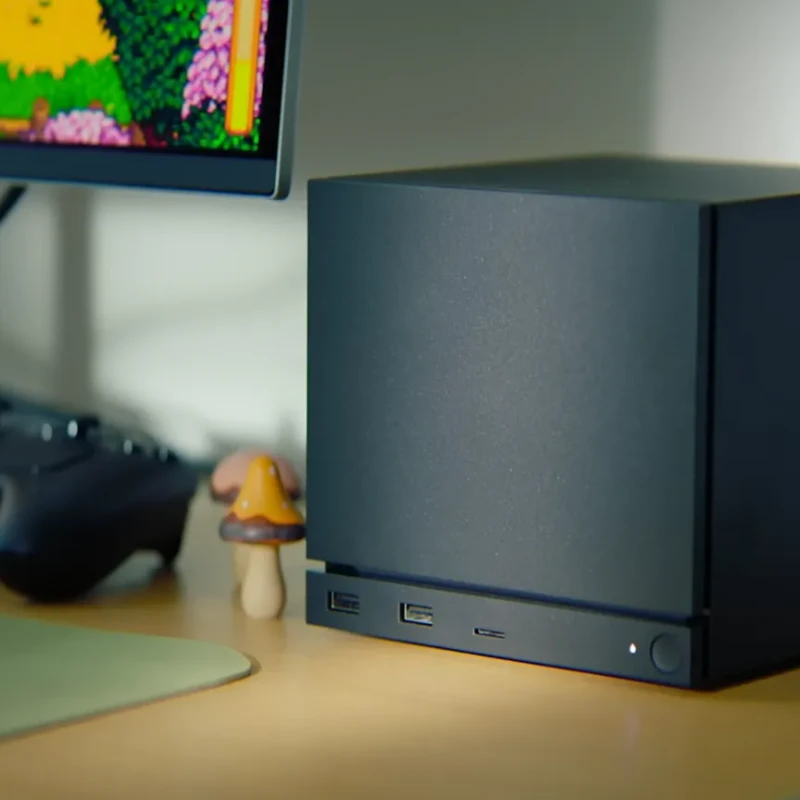
The console wars have been a long-standing battleground, dominated for years by giants like Sony and Microsoft. But what if there was a new contender ready to shake things up? Valve, the powerhouse behind the massive Steam PC gaming platform, is stepping into the ring with its new Steam Machine, aiming to blend the raw power of PC gaming with the effortless convenience of a living room console. The big question on everyone’s mind: can this PC-console hybrid truly compete with the likes of the PlayStation 5 and Xbox Series X?
What Sets the Steam Machine Apart?
Valve describes the Steam Machine as a compact, yet incredibly powerful gaming PC designed to fit seamlessly into your entertainment center. The goal is to offer PC-level performance without the typical setup complexities. This new system runs on a Linux-based operating system called SteamOS and is powered by AMD graphics processors, capable of delivering stunning 4K resolution at a smooth 60 frames per second.
Building on the success and lessons learned from the handheld Steam Deck, this new hardware leverages Valve’s existing massive digital ecosystem. The device features dual AMD chips, bringing its performance remarkably close to that of the PS5 and Xbox Series X. All this power is packed into a surprisingly small cube, about the size of a small form-factor Xbox tower sliced in half.
The Proton Advantage: A Game Changer
A key factor making this Steam Machine a more credible threat than its predecessor from a decade ago is Valve’s Proton compatibility layer. This technology means developers no longer need to go through the hassle of porting their games specifically to Linux. Proton allows a vast majority of Windows PC games to run smoothly on SteamOS, effectively removing a major hurdle that hindered the original Steam Machine’s success.
This innovation directly challenges Microsoft’s long-held ambition to unify Windows and Xbox into a single platform. While Microsoft’s current approach feels like it still needs refinement, Valve is continuously improving SteamOS for both console and handheld play. If Valve can successfully expand the Steam Machine line through partnerships with other PC manufacturers, the pressure on Microsoft will undoubtedly increase.
Who is the Target Audience?
Analysts suggest that the initial audience for the Steam Machine will likely mirror that of the Steam Deck. Early adopters are expected to be existing Steam users who are eager to bring their extensive game libraries into their living rooms and appreciate high-end performance. However, the timing is also ripe for a true PC console hybrid, especially as Sony and Microsoft increasingly focus on streaming ecosystems rather than exclusive titles.
Adding to its appeal, Valve also unveiled the Steam Frame, a wireless virtual reality headset. This device, also running SteamOS, promises top-tier graphical fidelity by only rendering what the player is actively viewing – a significant leap forward in VR technology. This dual announcement clearly indicates Valve’s strategy to build a comprehensive gaming ecosystem, not just a single product.
Do you think the Steam Machine has what it takes to compete with the big players? Share your thoughts in the comments below!
Leave a Reply