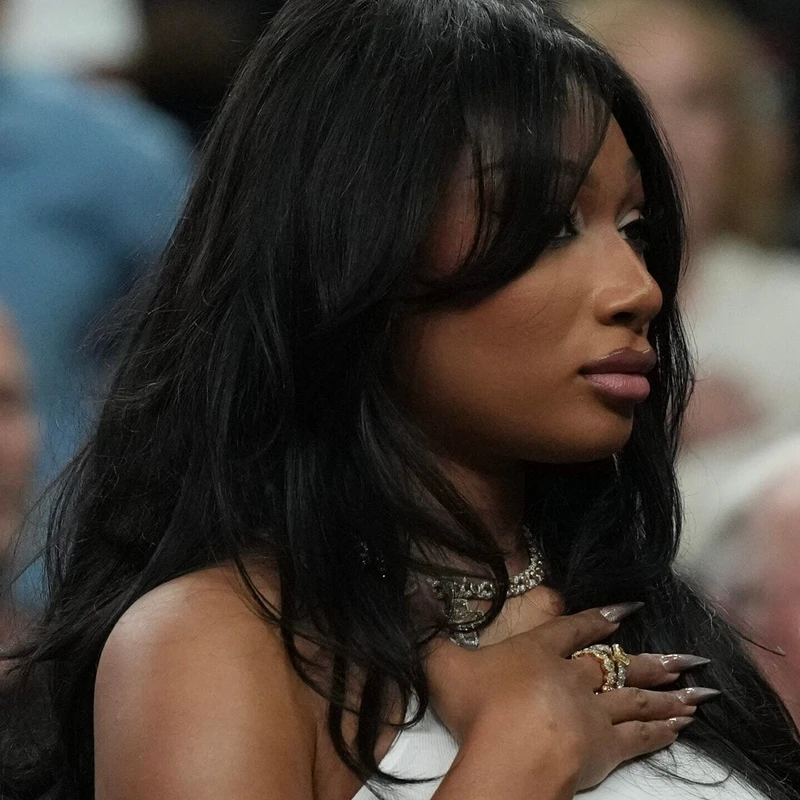
The internet has a way of turning any celebrity news into a full-blown cultural moment, and Megan Thee Stallion’s recent breakup with NBA player Klay Thompson is no exception. While many fans and even brands have rallied around the Hot Girl, offering support and solidarity, a less charitable chorus has emerged: detractors who seem more interested in dissecting her character than acknowledging the situation.
This isn’t just about a celebrity split; it’s become a Rorschach test for how people view women, relationships, and personal autonomy. The reactions, ranging from rapper Cam’ron’s controversial comments to online users labeling Meg a ‘pathological liar,’ reveal deeper societal attitudes.
More Than Just a Breakup
The discourse surrounding Megan Thee Stallion often goes beyond simple celebrity gossip. It touches on whether women like her—who are sexually autonomous, financially independent, emotionally expressive, and unapologetic—are viewed as ‘too much.’ The narrative often shifts from the alleged infidelity to questioning her credibility and character.
As podcast hosts KevOnStage and ThatChickAngel suggested, understanding someone’s take on Megan Thee Stallion might be a crucial first step before dating them. It’s a litmus test for how they perceive women, particularly those who defy traditional expectations of behavior and expression. Do they offer empathy and nuance, or do they find humor in pain and see confidence as a flaw?
A Reflection of Broader Issues
This conversation isn’t solely about Megan Thee Stallion; it reflects a larger societal issue regarding how we treat women who are visible, vocal, and sexually free. If a woman at the height of her career cannot be afforded basic respect, empathy, and the benefit of the doubt, it begs the question: who can?
The way individuals react to Megan Thee Stallion’s personal life—whether they believe her accounts, defend her choices, or dismiss her experiences—can indeed offer insight into their own values regarding women’s agency and the consequences they believe should follow from it. It highlights whether we’re willing to extend grace and understanding, or if we’d rather find fault and judgment.
What’s your take on the ‘Megan Thee Stallion litmus test’? Does how someone views her reveal something about their perspective on relationships and women? Share your thoughts in the comments below!
Leave a Reply