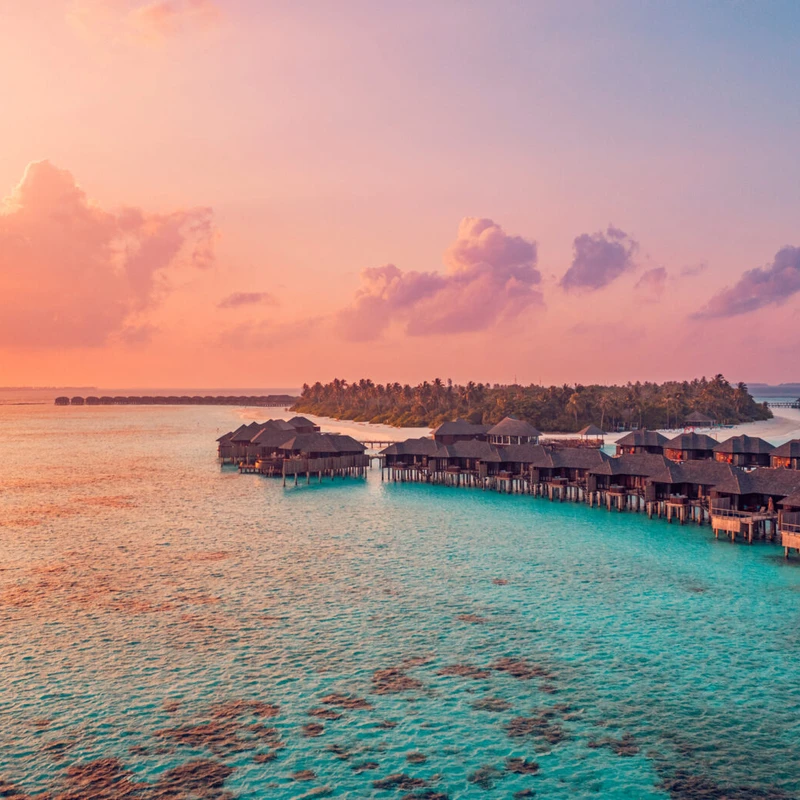
The Maldives, with its stunning turquoise waters and luxurious overwater bungalows, is a dream destination for many. It’s a popular spot for honeymoons and romantic getaways, attracting millions of international visitors annually. However, like any travel destination, it’s wise to be informed about potential safety concerns before you pack your bags. Beyond the breathtaking scenery, there are a few things to keep in mind, including seasonal smog and official travel advisories.
Official Travel Advisories: What You Need to Know
Government travel advisories offer crucial insights. As of April 2026, the U.S. State Department classifies the Maldives as a “Level 2” destination, advising travelers to “exercise increased caution.” This advisory specifically notes concerns about terrorism. Similarly, the Canadian government recommends exercising a “high degree of caution” due to terrorism risks, potential accidents in whale shark tourism areas, and other safety issues.
The Centers for Disease Control and Prevention (CDC) also advises tourists to take standard precautions against diseases like measles and dengue fever. Staying updated on these advisories is a key step in planning a safe trip.
Safety for Tourists and Solo Travelers
Generally, the Maldives is considered a safe destination for tourists, including solo and female travelers. Crime rates, especially on resort islands, are low. However, practicing basic traveler safety is always recommended. This includes securely storing valuables and keeping an eye on your belongings, particularly on the beach. For transportation between islands, ferries and seaplanes are common, while buses are reliable on islands. While ride-sharing apps like Uber aren’t available, local services might be an option.
For LGBTQIA+ travelers, while many may feel safe, it’s advisable to be aware of local laws and religious customs that might influence your experience. Standard banking precautions, like not sharing personal information and being aware of ATM availability (which can be scarce on remote islands), are also important.
Understanding Air Quality: Atmospheric Brown Clouds
While official advisories may not detail specific air quality issues, the Maldives can experience “haze conditions” from smog, particularly during the transition from the wet to the dry season (late year through March). This phenomenon, known as an “Atmospheric Brown Cloud,” drifts from South Asia via monsoon winds. A 2025 study indicated that during the dry season in the Greater Malé Region, PM2.5 levels (a measure of air pollution) frequently exceeded World Health Organization recommended limits.
To protect yourself, it’s recommended to check air quality updates from sources like IQAir, the Maldives Meteorological Authority, and the Health Protection Agency. If you plan extended outdoor activities like beach time or sightseeing, consider wearing an N95 mask for added protection. Always ensure you have bottled water, as tap water should be avoided.
Staying Safe: Key Precautions
To enhance your safety, consider registering your trip with the U.S. Smart Traveler Enrollment Program (STEP) for timely updates and emergency assistance. Remember that the Maldives is a majority-Muslim country; dress modestly when outside of resorts. Public practice of other religions is illegal. Additionally, same-sex relations, pornography, and illicit drugs are banned. Be aware of smoking regulations, including bans on e-cigarettes and vaping, and potential consequences for alcohol possession outside resorts.
Before embarking on boat trips, confirm the availability of life jackets. When enjoying water activities, always check swimming conditions and heed warnings to avoid risks like drowning. Finally, be mindful of potential scams, particularly travel booking, financial, or romance scams, and never share personal or banking information with strangers.
Are you planning a trip to the Maldives? What steps are you taking to ensure a safe and enjoyable experience? Share your tips and thoughts in the comments below!
Leave a Reply