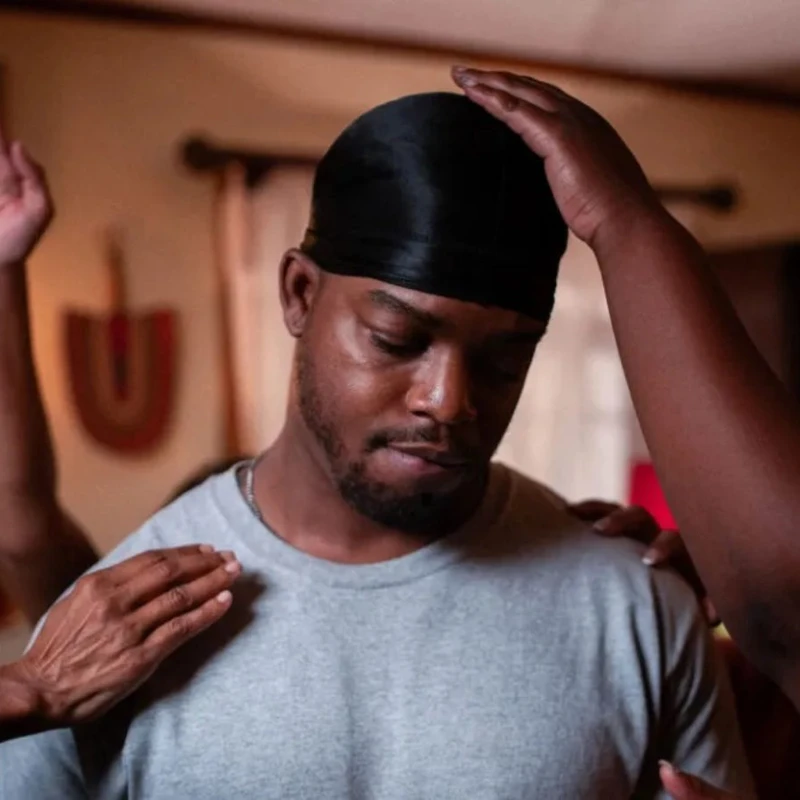
After making waves at Sundance last year, the thought-provoking film ‘Ricky’ is now hitting theaters, inviting audiences to explore themes of accountability and the challenging journey of life after incarceration. Directed by Rashad Frett, the movie centers on Ricky, a man released from prison after serving time for a crime committed as a teenager.
Navigating a World That Moved On
At 30 years old, Ricky finds himself stepping back into a world that has continued without him. The film captures his struggle to adapt to unfamiliar routines, from mandatory meetings to job requirements, each step highlighting the vast disconnect between his incarcerated past and the present reality. A single misstep threatens to unravel his progress, forcing him to confront whether he’ll take responsibility or let others bear the consequences.
Starring Stefan James in the titular role, ‘Ricky’ portrays a man caught between his past actions and his potential for a different future. James spoke about the unique preparation required for the role, joking about having to “age backwards” to understand Ricky’s perspective. “Ricky is just not going to process them the same way,” James explained, referring to how Ricky perceives everyday adult situations differently due to his stalled development during incarceration.
Authenticity Rooted in Lived Experience
The film’s authenticity is a key element, drawing heavily from director Rashad Frett’s own experiences working within the criminal justice system. Frett described ‘Ricky’ as a composite of people he knew, with the script co-written by Lin Que Ayoung, who brought similar life observations to the project. Rather than revealing Ricky’s past all at once, the narrative allows the audience to piece together his history through his present-day struggles and behaviors.
Frett focuses on Ricky’s current challenges—emotional, social, and professional—and how old patterns persist even as he tries to build a new life. This approach emphasizes the ongoing nature of reentry and the difficulty of shedding the weight of past experiences.
The Power of Community and Support
The film’s artwork, featuring hands reaching out to Ricky, symbolizes the crucial role of community and support in his journey. Upon returning home, Ricky encounters a network of individuals who both uplift and challenge him, each relationship influencing his path forward. Producer Sterling “Steelo” Brim views this dynamic as central to the story, stating, “We’re all locked up with him.” This perspective frames reentry not just as an individual effort, but as a shared experience where the community plays a vital role in the outcome.
Sheryl Lee Ralph, portraying Ricky’s parole officer Joanne, embodies this idea. Her character pushes Ricky toward accountability while maintaining his dignity. “She doesn’t let him hide behind his past, and she doesn’t let him hide behind his trauma,” Ralph explained. Joanne offers understanding, drawing from her own experiences to tell Ricky, “You’re not the only person that has done bad things,” encouraging him to confront his mistakes rather than play the victim.
‘Ricky’ deliberately avoids labeling its protagonist as purely a hero or villain. Instead, it invites the audience to grapple with the ambiguity of his choices, the setbacks he faces (many self-inflicted), and the external circumstances that shape him. The film offers a complex portrait of a man striving for direction within a system that has attempted to break him.
Stefan James hopes the film encourages viewers to look beyond surface judgments. “I think our job as an artist is to make you question things,” he said. “I wonder if you would feel the same way about Ricky if he didn’t look the way he looked, If he was a girl, or if he was a part of some other majority community.” By transcending these lines, James believes filmmaking can powerfully prompt empathy and understanding.
What are your thoughts on the themes explored in ‘Ricky’? How important is community support for individuals reentering society after incarceration? Share your perspectives in the comments below!
Leave a Reply