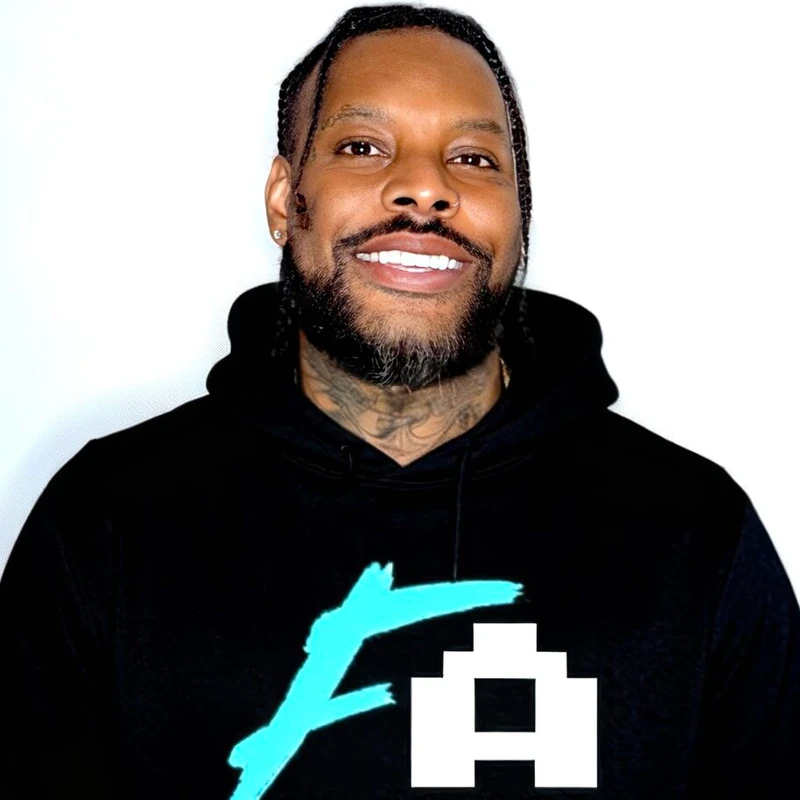
Black culture has always been a driving force in global entertainment, shaping music, fashion, and digital trends. Yet, in the gaming world, ownership has rarely reflected this immense influence. Marcus Brown, founder of FanArcade, is on a mission to change that by building a Black-owned studio that not only translates culture into interactive experiences but also creates genuine pathways for underrepresented talent in tech and game development.
From Viral Moment to Gaming Studio
Brown’s journey began with a viral moment – a Kendrick Lamar-inspired browser game tied to the song “Not Like Us.” This success revealed a significant demand: “People don’t just want to watch culture, they want to play it,” Brown told BLACK ENTERPRISE. This realization sparked the evolution from a one-off cultural moment into a full-fledged company.
Today, FanArcade specializes in creating fast, browser-based interactive games linked to music releases, fan communities, and cultural events. Unlike traditional console gaming, these experiences are highly accessible, requiring no downloads, expensive hardware, or complex learning curves. All that’s needed is a link and an engaged audience, a model that has already garnered over 6.5 million plays.
Transforming Promotions into Playable Experiences
A standout activation was “No Wac-Man,” an interactive mini-game created for Summer Walker’s “Finally Over It” album rollout. This game, inspired by Pac-Man, transformed a standard promotional cycle into an engaging fan experience. Instead of passively consuming content, fans were invited to play, becoming part of the album’s narrative. The game attracted an estimated 160,000 to 180,000 players, significantly boosting awareness for the album.
Brown emphasizes that FanArcade’s approach doesn’t dilute culture for marketability; it protects and amplifies it. This strategy has generated millions of impressions across social media and press, demonstrating how interactive design can deepen fan loyalty and expand reach. Crucially, the studio’s success is built on the foundation of its team.
Representation Behind the Code
FanArcade operates with an all-Black development team, a deliberate choice reflecting a commitment to equity and ownership in an industry where Black professionals are severely underrepresented. Brown believes that true legacy in gaming involves ownership behind the scenes, not just on screen. “Representation is not only about seeing Black characters on screen. It is about ensuring Black creators are writing the code, designing the mechanics, and leading the companies.”
He argues that authenticity in game development requires lived experience. “Having Black characters on screen requires more than a darker skin texture. It requires lived experience and people behind the scenes who understand the why, not just the aesthetic.” By centering development within the community, FanArcade is shifting the industry from cultural borrowing to cultural ownership.
Expanding Access and Redefining Progress
Brown’s own path as a self-taught developer, formerly of Fortnite, informs his hiring practices. He prioritizes creative instinct, vision, and cultural understanding over traditional academic credentials, creating opportunities for aspiring developers who might feel excluded from conventional tech pathways. This approach lowers barriers to entry, both for players and creators.
For Brown, progress in gaming is measured by ownership. “Most video games using Black-owned IP are not developed by Black-owned studios,” he notes. “If that pendulum alone can eventually swing the opposite way, that would be significant progress.” FanArcade aims to be more than just a studio; it aspires to be a beacon for future Black innovators in interactive media, proving that creators from underrepresented backgrounds can lead and own within the tech industry.
What are your thoughts on FanArcade’s mission to build Black power in gaming? Do you think more studios should prioritize diverse development teams? Share your opinions in the comments below!
Leave a Reply