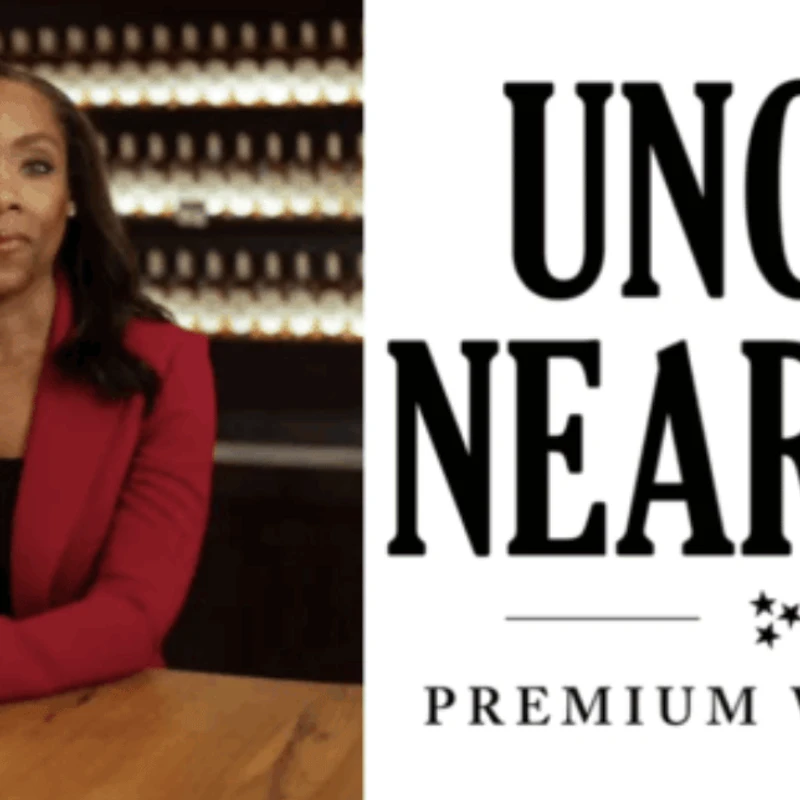
The legal troubles surrounding the popular whiskey brand Uncle Nearest have intensified dramatically. In a scathing 62-page court order, a U.S. District Judge not only refused to end the receivership over the company but also declared it insolvent, highlighted concealed financial dealings, and delivered a brutal assessment of founder Fawn Weaver’s credibility.
A Judge’s Damning Verdict on Weaver’s Credibility
U.S. District Judge Charles E. Atchley Jr.’s ruling in the Farm Credit Mid-America case is particularly harsh on Fawn Weaver. After reviewing her testimony and filings, the judge stated he had the ‘firm conviction that Fawn Weaver’s testimony thus far … has been guided by the story she believes best serves her personal interests, irrespective of its relation to the truth.’ This is about as close as a federal judge gets to calling someone a liar in an official capacity.
The court consistently sided against Weaver when her accounts conflicted with bank records, contracts, or other witnesses, explicitly stating her testimony would not be given meaningful weight. This finding permeates the entire document, casting a long shadow over her leadership.
Insolvency and Concealed Loans
The financial picture painted by the order is grim. While the Weavers claimed Uncle Nearest was worth between $300 and $325 million, Judge Atchley rejected this valuation, citing industry headwinds. He calculated the company’s liabilities at approximately $208 million, estimating its enterprise value between $50 and $125 million, concluding the company is insolvent.
Furthermore, the order details a significant concealment of a $20 million loan received in early 2026 from MP-Tenn LLC. The court found that Uncle Nearest, under Weaver’s direction, hid this transaction from its primary lender, Farm Credit, and misrepresented the source of the funds. The money was moved from an Uncle Nearest account to Weaver’s personal holding company, Grant Sidney, to avoid being ‘snatched’ by Farm Credit, according to Weaver’s testimony.
Grant Sidney Embroiled in Receivership
The judge’s finding of fraudulent conduct, based on ‘clear, unequivocal, and convincing evidence,’ led to Grant Sidney, Weaver’s personal holding company and majority shareholder in Uncle Nearest, being brought into the receivership. Grant Sidney initially failed to produce required bank records, only providing documents for the account used to route the MP-Tenn funds. The receiver later discovered at least two additional undisclosed accounts, leading the judge to express concern about other ‘forgotten’ accounts.
While the judge declined to expand the receivership to include six other Weaver-affiliated entities, he left the door open for future inclusion if necessary. The receiver, Phillip Young, has been credited with significantly reducing the company’s monthly operating losses by about 90% and addressing critical issues like barrel inventory reconciliation and tax filings.
Federal Investigation Looms
Adding another layer of complexity, a recent court filing indicates that the receiver has retained legal counsel to advise on responding to a separate federal investigation. While the target and scope of this probe are not detailed, it signifies a major escalation for a company already facing severe financial and legal challenges.
Uncle Nearest, a brand celebrated for honoring Nathan ‘Nearest’ Green and often cited as a Black-owned success story, now finds itself under intense scrutiny. The judge’s findings of insolvency, fraud against its lender, the expansion of receivership, and explicit disbelief in the founder’s testimony create a precarious situation. With the receiver continuing efforts to sell assets, a pending sanctions motion against Weaver, and a federal investigation underway, the future of Uncle Nearest appears deeply uncertain.
What are your thoughts on the judge’s ruling regarding Uncle Nearest and Fawn Weaver? Share your opinions in the comments below!
Leave a Reply