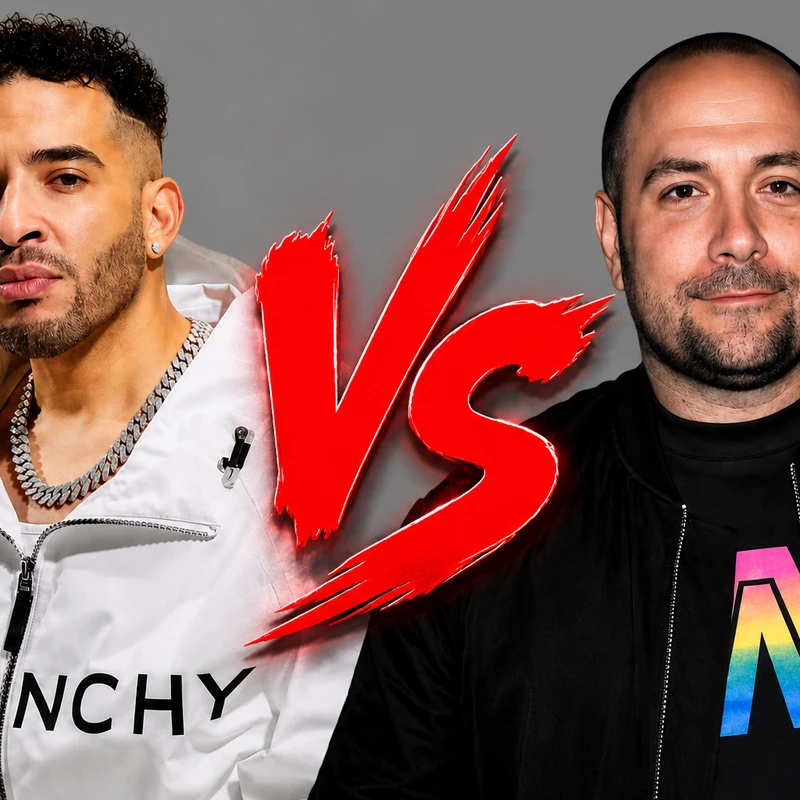
A recent clip from the Ebro, Laura, Rosenberg Show has ignited a firestorm, bringing hip-hop’s ongoing conversation about “culture vultures” back into the spotlight. Hollywood Unlocked founder Jason Lee directly confronted host Peter Rosenberg, labeling him a culture vulture – a term that has long been used to describe white media figures and artists accused of profiting from Black culture without meaningful contribution or structural support.
The Confrontation: Defining the Vulture
Lee refused to back down from his earlier comments on Drink Champs, leading to an intense exchange with Rosenberg. The debate quickly delved into who gets to define the term, who qualifies, and the historical context provided by decades of Black hip-hop critics. Rosenberg defended himself by highlighting his gratitude, his efforts to give back, his support for Black Lives Matter, and his advocacy for LGBTQ+ rights.
He expressed hurt, stating that being labeled a culture vulture by a platform like Drink Champs, especially without what he deemed sufficient “receipts,” was unfair. Rosenberg even invoked mutual friend A$AP Rocky as someone he’d helped, suggesting Rocky could vouch for his positive contributions. However, Lee remained unmoved, stating his conversations with Rocky focused on family and personal matters, not on defending Rosenberg or others.
The Core of the Argument
Rosenberg pressed Lee on which groups he had personally stood up for outside of his direct ties, but Lee insisted the conversation wasn’t about a resume. The tension escalated when Rosenberg drew a line, suggesting that without certain lived experiences – specifically, “you ain’t suck dick and you ain’t Black” – one could never truly understand. Lee countered that this wasn’t a measurement but a statement of truth, ultimately concluding, “I think you’re a culture vulture. That’s my opinion.” He added, “You’re perfect for politics. You are full of shit.”
A History of ‘Culture Vulture’ Accusations
The term “culture vulture” itself was popularized by Dame Dash in the late 2000s. His argument was straightforward: individuals who profit from a culture, build careers and fortunes on its back, but fail to give back in any meaningful or structural way. The core issue wasn’t about liking Black music, but about profiting from it while potentially excluding Black individuals from ownership and equity.
- **Iggy Azalea:** Her career was built on sounds, accents, and aesthetics lifted from Black women, leading T.I. to later call her his “greatest blunder.”
- **DJ Vlad:** Accused for years of profiting from Black artists’ stories without genuine connection, even having his company name lifted from a Nelly hook.
- **Post Malone:** Called out by Lil B and Russ for using hip-hop as a launchpad before pivoting to country and pop, seemingly abandoning the aesthetic.
- **Macklemore:** His 2014 Grammy win for Best Rap Album over Kendrick Lamar, followed by a public text apology, became a symbol of white artists benefiting from Black cultural spaces.
- **Justin Timberlake & Miley Cyrus:** Both faced criticism for leveraging Black music and aesthetics before distancing themselves or facing backlash.
- **Adam22 (No Jumper):** Even admitted to “shamelessly exploiting Black culture” on camera, with a history of controversial actions and accusations.
- **Complex Magazine:** Nipsey Hussle famously stated in 2018, “If you don’t come from the hip hop culture, be careful how you critique it because your opinion hasn’t been validated.”
The Shifting Landscape
Rosenberg’s defense – that his work, friendships, intentions, and career built on Black music should grant him a “pass” – echoes arguments made by many white figures in hip-hop media and music. For a long time, this pass was readily issued. However, the dynamic has shifted.
Black media operators, journalists, and audiences are increasingly scrutinizing these relationships, demanding more than just superficial friendliness or a resume of past interactions. Dame Dash coined the term, and Jason Lee, regardless of where one stands on the issue, used it to challenge a man who has been a prominent voice in Black hip-hop media for over two decades, demanding a defense beyond his career history.
Whether Peter Rosenberg truly fits the definition of a “culture vulture” is now a question being debated across hip-hop circles. The list of individuals accused has been present for years; the conversation is simply evolving, demanding deeper accountability and a more critical look at who truly benefits from Black culture.
What are your thoughts on the ‘culture vulture’ debate? Do you agree with Jason Lee’s assessment of Peter Rosenberg? Share your perspective in the comments below!
Leave a Reply