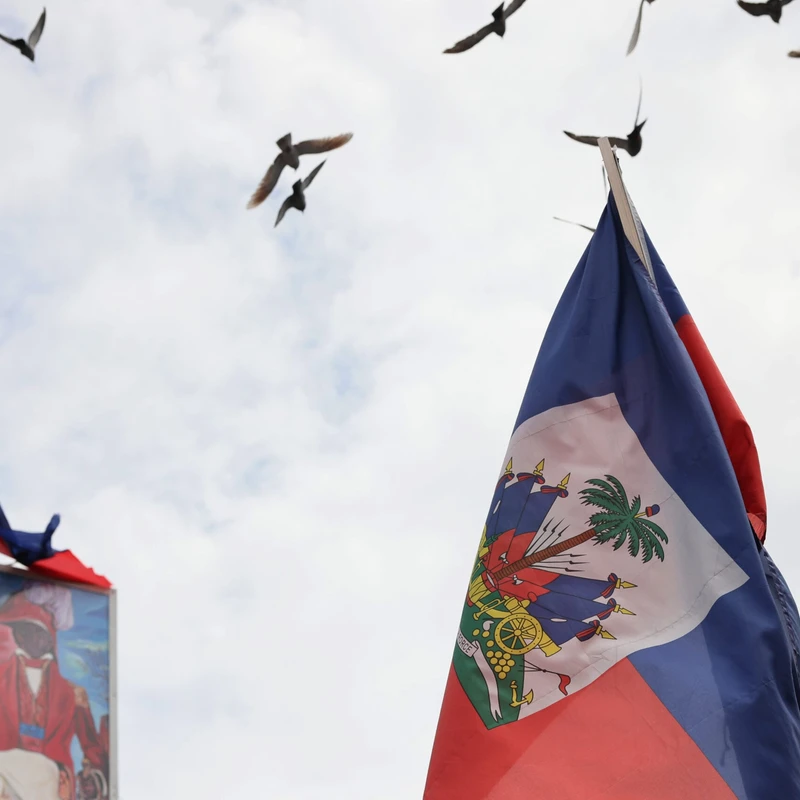
Every year on May 18th, communities across the globe come alive with the vibrant colors of red and blue. Haitian Flag Day is more than just a date on the calendar; it’s a powerful reminder of a nation’s revolutionary spirit, its rich history, and the enduring joy of its people. For Haitians living far from the island, these celebrations offer a profound sense of ‘home,’ even thousands of miles away.
A Symbol of Freedom and Resistance
The origins of Haitian Flag Day trace back to May 18, 1803, when Jean-Jacques Dessalines famously tore the white from the French flag, symbolizing a definitive break from colonial rule. This act created the first version of the Haitian flag, representing the first free Black republic in the world. Today, the parades, parties, and concerts filled with the sounds of Konpa and Raboday are not just festivities; they are acts of cultural preservation and a testament to the resilience that defines Haiti.
Activist and author Monique Clesca emphasizes that Haitian Flag Day is about more than just aesthetics. “It really was about the fact that we are humans, and we demand that our human rights are respected,” she told theGrio. Clesca highlights the importance of showcasing Haiti’s beauty and joy, countering the often negative narrative that dominates headlines. Her book, “Silence and Resistance: Memoir of a Girlhood in Haiti,” aims to share the Haiti she knew and loved – a place of vibrant culture and deep pride.
The Evolving Symbolism of the Haitian Flag
The Haitian flag has undergone several transformations throughout history, with each iteration carrying significant meaning. The initial blue and red bands represented the unity of African residents and those of mixed descent fighting for freedom. Later versions, including the black and red flag adopted during the Duvalier era, reflected different political and social moments.
The current blue and red flag, reestablished after 1986, features the nation’s motto, “L’Union fait la Force” (Unity Makes Strength). Every stitch and color shift serves as a powerful reflection of Haiti’s history, its people, and the ongoing struggle for freedom and recognition.
Beyond Misconceptions: Haiti’s Richness
Clesca challenges the common misconception that Haiti is solely defined by poverty. “Haiti, in terms of its geography, is an absolutely mesmerizing country,” she states, highlighting its stunning landscapes, vibrant music, theater, and the pervasive humor found in everyday life. She believes that while economic challenges exist, often due to leadership issues, Haiti’s cultural and geographical richness is unparalleled.
So, when you see Haitians celebrating their flag, remember it’s more than just a party. It’s a connection to ancestors who fought for freedom, a grandmother’s hope carried across oceans, and the vibrant cultural heritage passed down through generations. It’s a complex pride, holding both grief and glory, and an enduring love for an island that continues to produce people of extraordinary beauty, brilliance, and resilience.
How do you celebrate your heritage? What does Haitian Flag Day mean to you or the Haitian community you know? Share your thoughts and experiences in the comments below!
Leave a Reply