Get ready to journey into a world of ancient curses, terrifying possessions, and deep-seated family trauma. Lee Cronin’s “The Mummy” (2026) takes a dark and visceral turn, trading the classic Egyptian pyramids for the hauntingly beautiful scenery of Ireland and Spain. If you’re looking to retrace the steps of this supernatural horror film, pack your bags for a European adventure filled with medieval castles, seaside towns, and unforgettable landscapes.
Ireland: A Hub for Chilling Interiors
While the film’s premise begins in Egypt, the production largely set up shop in Ireland for its interior scenes. Many of the most intense and claustrophobic moments were filmed at Ardmore Studios in County Wicklow, one of Ireland’s premier production facilities. The nearby town of Bray also served as a backdrop for several exterior sequences, adding to the film’s eerie atmosphere.
Dublin contributed its urban elements, weaving in scenes connected to the Cannon family’s investigation. For travelers inspired by these locations, late spring (May-June) and early autumn (September-October) offer ideal weather, with blooming gardens and fewer crowds. While winter’s moodiness might fit the horror theme, be prepared for more frequent rain. Getting around is easiest with a rental car, allowing you to explore the scenic routes connecting Dublin, Bray, and County Wicklow, though public transport options like Irish Rail and Dublin’s buses and trams are also available.
Exploring Ireland’s Cinematic Charm
Beyond the film’s production, County Wicklow and Dublin offer a wealth of attractions. Explore the stunning Powerscourt House and Gardens, hike through the dramatic landscapes of Wicklow Mountains National Park, or take a stroll along Bray’s seaside promenade. In Dublin, horror enthusiasts can visit the eerie St. Michan’s Church, known for its mummified remains. For a taste of local culture, enjoy hearty Irish fare and live folk music at Johnnie Fox’s Pub, one of Ireland’s oldest establishments.
Where to Eat and Stay in Ireland
When hunger strikes, The Hungry Monk in Bray offers modern Irish dishes, while Platform Pizza Bar is perfect for a lively meal. Dublin’s The Woollen Mills Eating House provides elevated comfort food, and Johnnie Fox’s Pub offers a traditional experience. For accommodation, consider the luxurious Powerscourt Hotel Resort, the charming Martello Hotel in Bray, or the modern Gibson Hotel in Dublin. Budget-friendly guesthouses are also scattered throughout Wicklow.
Spain: The Haunting Desert Sequences
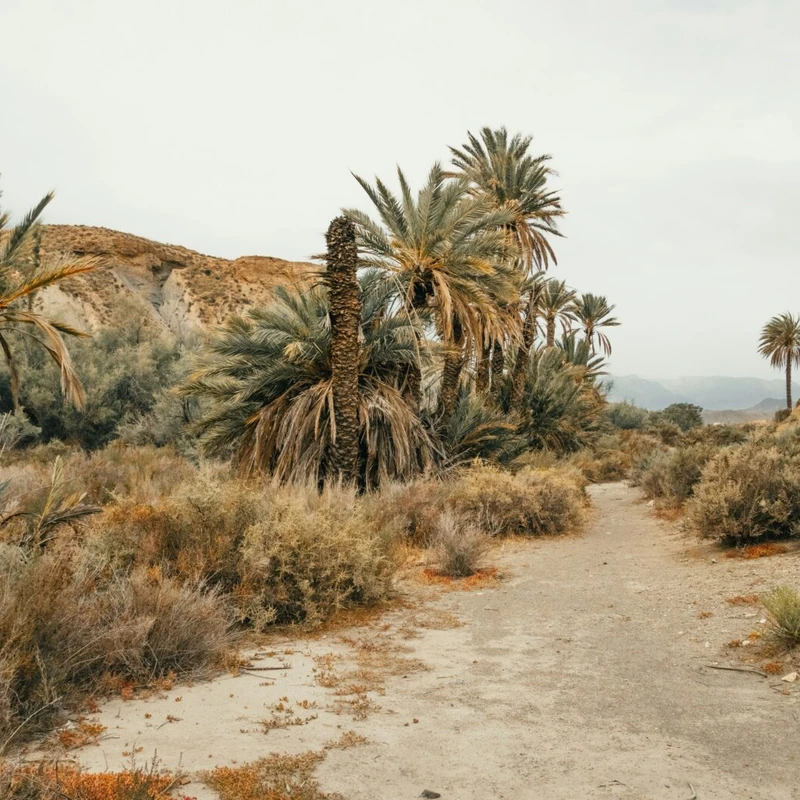
The film’s terrifying desert sequences, particularly those tied to Katie’s mysterious disappearance and excavation scenes, were brought to life in Spain’s Almería region. The Tabernas Desert, Europe’s only true desert, provided the stark, rugged terrain needed to recreate these haunting moments. This area has a rich cinematic history, famously serving as a backdrop for numerous “Spaghetti Westerns” in the mid-20th century.
Spring (March-May) and autumn (September-October) are the best times to visit Almería, offering comfortable temperatures for exploring. While summer can be intensely hot, beach lovers can still enjoy the southern coast. A rental car is highly recommended for navigating the region, as many attractions are spread out. Taxis are available in city centers, and walking is ideal for exploring historic neighborhoods.
Discovering Almería’s Allure
Almería’s unique landscape makes it a versatile filming location, attracting everything from fantasy epics to sci-fi productions. Beyond its cinematic fame, the region boasts the historic Alcazaba of Almería fortress, the stunning beaches of Cabo de Gata-Níjar Natural Park, and a vibrant tapas scene. Adventure seekers can enjoy ATV desert excursions or horseback rides.
Culinary delights await at La Mala for creative tapas or Casa Puga for traditional Spanish cuisine. Near the coast, Restaurante Salmantice offers fresh seafood with ocean views. For accommodation, consider the elegant Hotel Catedral Almería, the beachfront Barceló Cabo de Gata, or the conveniently located Hospedería del Desierto for desert access.
A Modern Take on a Classic Tale
It’s important to note that “Lee Cronin’s The Mummy” is a reimagining, not a direct remake of the 1999 film. It deliberately moves away from the swashbuckling adventure of Brendan Fraser’s era, focusing instead on psychological horror, demonic possession, and family trauma. Cronin, known for his intense work on “Evil Dead Rise,” crafts a narrative that feels more like a nightmare than a lighthearted adventure, making the choice of these atmospheric filming locations all the more fitting.
Would you visit Ireland or Spain to experience the filming locations of ‘The Mummy’? What other horror films have stunning cinematic settings? Share your thoughts in the comments below!
Leave a Reply