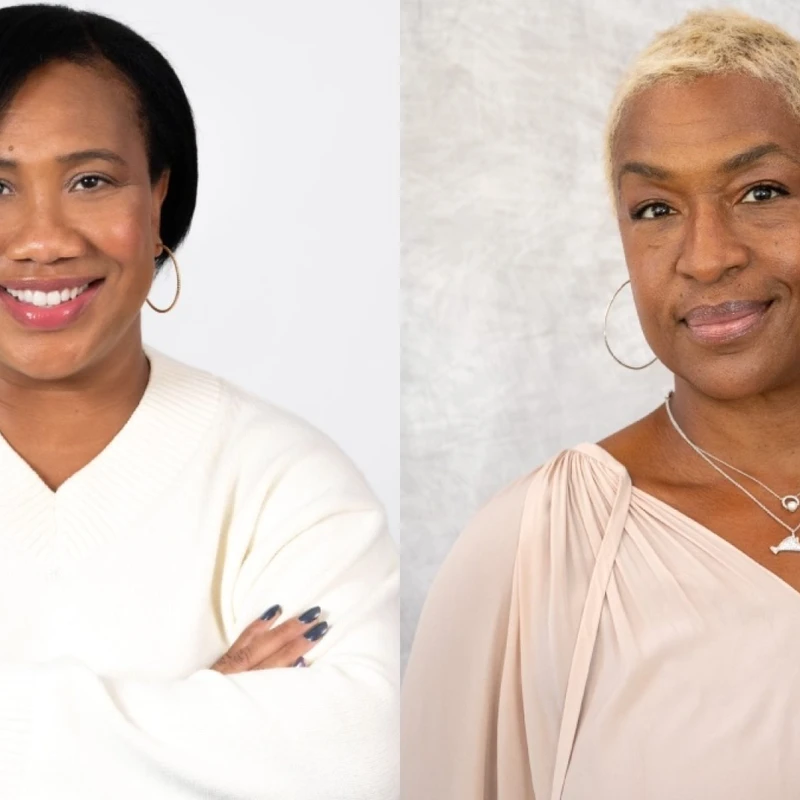
Navigating the world of elite private schools can feel like a mystery, especially for Black families. The high tuition, complex admissions processes, and unfamiliar culture can be intimidating. But two incredible Black mothers are on a mission to demystify this path and ensure that more children, and their parents, not only gain access but truly thrive in these independent educational settings.
Meet the Trailblazers: RIISE and ACES
Gina Parker Collins, founder of RIISE (Resources in Independent School Education), and Latoya N. Allen, founder and CEO of ACES, are two bold entrepreneurs dedicated to bridging the gap. They recognized that while organizations like A Better Chance and Prep for Prep exist, there was still a need for more personalized guidance to help Black children not just get into these schools, but to flourish once they’re there.
Collins started RIISE around 2008 after realizing that access alone wasn’t enough. Families needed the language, tools, and confidence to advocate for their children in environments where they might be in the numerical minority. Her organization focuses on elevation – expanding access, building confidence, and fostering community for families navigating independent school culture.
Demystifying Admissions and Financial Aid
Latoya Allen, who founded ACES in 2017 after nearly two decades in independent school admissions, echoes this sentiment. She saw firsthand how many capable Black and Brown families were unaware that independent day and boarding schools were even an option. ACES aims to simplify the admissions process and empower families with knowledge and advocacy.
Both founders address the significant barrier of cost. Tuition at top NYC independent schools can exceed $60,000-$70,000 annually, a figure that seems insurmountable for many. However, they emphasize that most schools offer substantial need-based financial aid. The challenge often lies in the intimidating application process and the lingering mindset that these schools are simply ‘not for us.’
- Private independent schools were not historically designed with Black families in mind.
- Barriers include cost, limited awareness, and admissions practices prioritizing subjective ‘fit’.
- Black students represent only about 6% of independent school enrollment nationally.
- Generous financial aid is often available but not always pursued due to intimidation.
The Benefits of an Independent Education
Despite the challenges, Collins highlights the significant benefits of an independent school education. These schools offer rigorous academics, exposure to the arts and global engagement, and foster independent thinking. They are intentionally college-preparatory, with strong track records of placing students in highly selective colleges and universities, including HBCUs.
Furthermore, the networks built within these communities provide invaluable relationships, resources, and social capital that can profoundly impact a student’s future trajectory. Both RIISE and ACES work to ensure families feel supported not just during the application process but also after enrollment, fostering a sense of belonging and enabling legacy building.
Allen’s motto, ‘each one teach one,’ perfectly encapsulates the spirit of community and shared knowledge that drives ACES. They believe in distributing information freely, ensuring that families are equipped to make informed decisions about their children’s education. Ultimately, their work is about affirming the right of Black and Brown children to access the best possible educational opportunities, recognizing that education is a powerful pathway to upward mobility and generational wealth.
What are your thoughts on the importance of access to elite private schools for Black children? Share your experiences and opinions in the comments below!
Leave a Reply