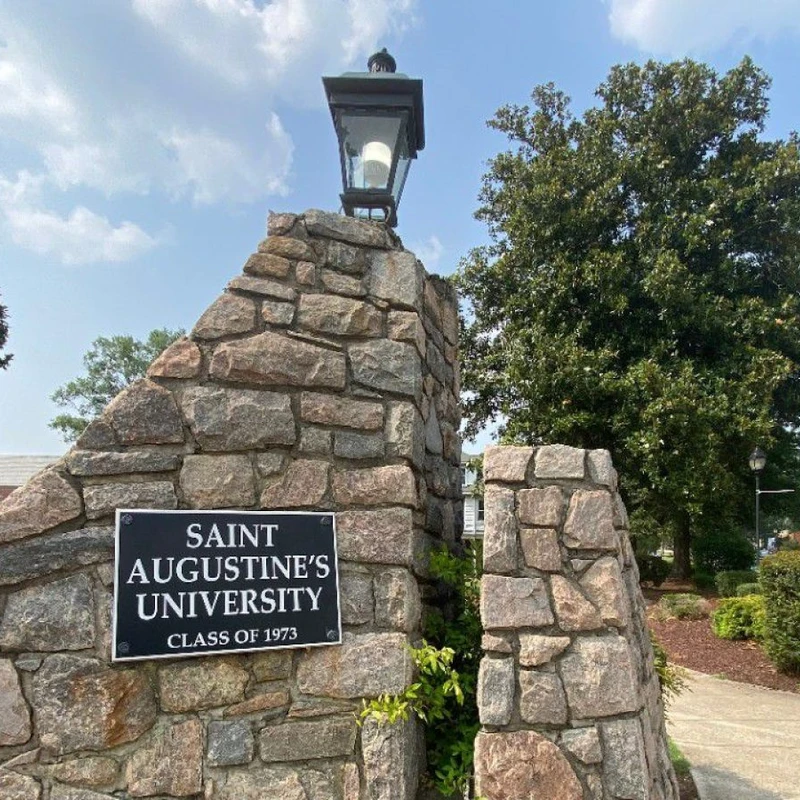
A significant chapter has closed for one of America’s oldest Historically Black Colleges and Universities (HBCUs). Saint Augustine’s University (SAU), a cornerstone of Black higher education in Raleigh, North Carolina, for nearly 160 years, has officially filed for Chapter 11 bankruptcy. This move comes as the university also decides to cease its lengthy legal battle to regain accreditation, leaving current students facing a challenging and uncertain path forward.
Financial Woes and Accreditation Struggles
The bankruptcy filing was made in the U.S. Bankruptcy Court for the Eastern District of North Carolina. SAU estimates its debts range between $50 million and $100 million, owed to various creditors including government agencies, private lenders, and its own employee retirement fund. Despite these financial challenges, the university claims assets valued as high as $500 million and intends to continue operating under court supervision while a reorganization plan is developed.
Adding to the turmoil, SAU is dropping its lawsuit against the Southern Association of Colleges and Schools Commission on Colleges (SACSCOC), the accrediting body that has been at the center of the school’s troubles since 2023. After losing accreditation, regaining it temporarily, and then losing it again in July 2025, the university had secured a temporary injunction to remain open through the spring semester. However, that window closes on May 15th, and the university’s Board of Trustees has decided not to pursue further legal action.
What This Means for Students
For the students still enrolled at Saint Augustine’s, the primary consequence is clear: they will need to find a new institution to complete their degrees. While students graduating at the May 9 commencement will do so from an accredited institution, all others will have to transfer. This transition involves more than just finding a new school; the loss of accreditation means SAU is no longer eligible for federal financial aid programs, potentially impacting students’ financial aid packages.
The university is working to establish “teach-out agreements” with partner institutions. These agreements are designed to help students from closing or unaccredited schools transfer their credits and finish their programs. SAU has not yet announced specific partner schools publicly. The university also plans to continue offering nursing and technology certifications as it explores a long-term path toward reaccreditation.
Leadership Changes and Alumni Concerns
Adding to the instability, Interim President Dr. Jennie Ward-Robinson stepped down after just four months. Dr. Verjanis A. Peoples, the former interim provost, has taken over the leadership role. This frequent change in leadership has been a visible issue at SAU for years. Enrollment has plummeted from around 1,100 students in 2022 to roughly 175 by the fall of 2024.
Alumni express that this situation was not entirely unexpected. “This was the theft of the university,” said alumnus Steve Williams, reflecting a sentiment that many alumni felt their concerns were not adequately addressed. The path forward for SAU remains uncertain, though its primary lender, the Self-Help Ventures Fund, reportedly still believes in the university’s future. The situation draws parallels to Morris Brown College, which faced similar challenges before a lengthy rebuilding process.
What are your thoughts on the bankruptcy filing of Saint Augustine’s University? Share your reactions and concerns in the comments below.
Leave a Reply