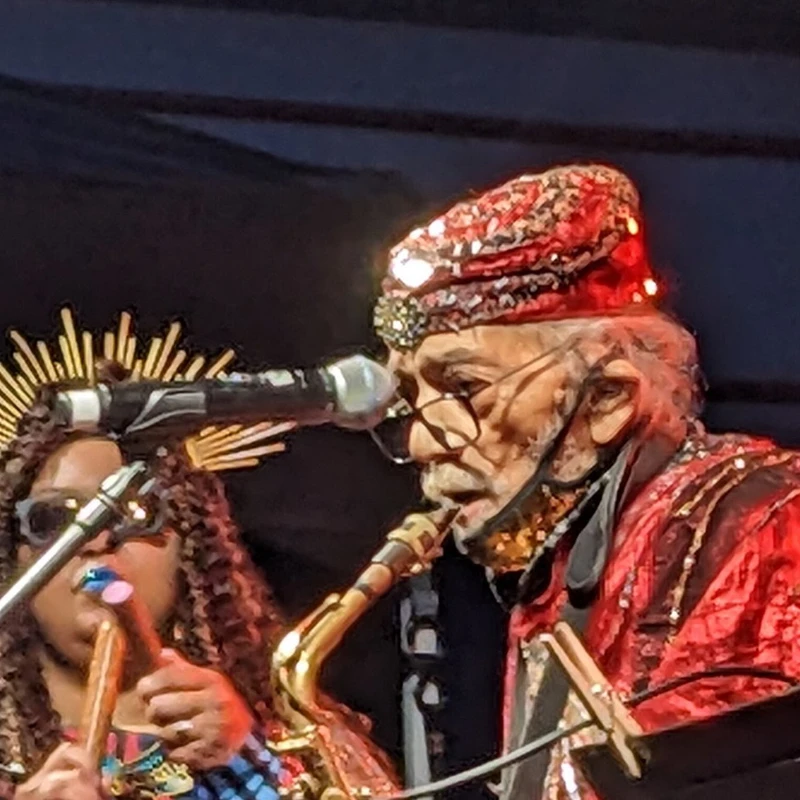
April is more than just the start of spring; it’s National Jazz Appreciation Month! Established by the Smithsonian Institution back in 2001, this month is dedicated to recognizing jazz as a truly American art form, deeply rooted in Black historical culture. It’s the perfect time to dive into the incredible legacies of the Black jazz musicians who have shaped the global soundscape.
The Pioneers Who Redefined Jazz
Jazz wouldn’t be what it is today without the groundbreaking work of these incredible artists. From the early 20th century, musicians began transforming jazz from local dance music into a sophisticated international art form. Their innovations in improvisation, composition, and vocalization laid the foundation for generations to come.
Louis Armstrong: The Father of the Jazz Solo
Born in New Orleans, Louis Armstrong (1901–1971) didn’t just play jazz; he took it to the world. His legendary Hot Five recordings in the 1920s shifted the focus from collective improvisation to the power of the individual solo, forever changing the genre with his distinctive tone and improvisational genius.
Duke Ellington: Master of Big Band and Orchestration
Edward Kennedy “Duke” Ellington (1899–1974) was a prolific composer and orchestrator whose career spanned five decades. Leading his own orchestra, he created over 1,000 musical works, gaining national fame with performances at Harlem’s Cotton Club. Ellington masterfully blended complex orchestration with rich cultural storytelling, exemplified in his suite “Black, Brown and Beige.”
Ella Fitzgerald: The Unrivaled First Lady of Song
Ella Fitzgerald (1917–1996) captivated audiences worldwide with her extraordinary vocal talent. Her signature scat singing and impeccable phrasing revolutionized jazz vocals. Fitzgerald’s iconic “Songbook” series elevated popular standards to high art, and her collaborations with Armstrong and Ellington solidified jazz singing as a sophisticated art form.
Jelly Roll Morton: The Architect of Early Jazz Structure
Jelly Roll Morton (1890–1941) was instrumental in evolving jazz from its spontaneous roots into a more structured musical style. By skillfully blending ragtime, blues, and improvisation, he demonstrated that jazz could be built upon complex arrangements, significantly influencing the genre’s future direction.
Charlie Parker: The Bebop Innovator
Charlie Parker (1920–1955), a primary architect of the Bebop movement in the 1940s, introduced a lightning-fast, harmonically complex style that pushed the boundaries of swing music. His virtuosic improvisations in Kansas City laid the groundwork for modern jazz through sheer intellectual and artistic experimentation.
Miles Davis: The Visionary of Cool and Fusion
Miles Davis (1926–1991) was a trumpeter of unparalleled vision, spearheading major jazz developments like Cool Jazz, Modal Jazz, and Jazz Fusion. His 1959 album, *Kind of Blue*, remains the best-selling jazz record ever. Davis is revered for his constant innovation and his masterful use of space and silence in his compositions.
John Coltrane: Exploring Spiritual Jazz
John Coltrane (1926–1967) pushed the saxophone to its absolute limits. Moving from the dense “sheets of sound” technique of the 1950s to profound spiritual explorations in the 1960s, his masterpiece, *A Love Supreme*, transformed jazz into a vehicle for deep philosophical and religious inquiry.
Thelonious Monk: The High Priest of Bop
Thelonious Monk (1917–1982) holds the distinction of being the second-most-recorded jazz composer in history. His signature dissonant harmonies and percussive piano style, evident in works like “’Round Midnight,” challenged traditional musical structures and cemented his status as a titan of modern harmonic innovation.
Charles Mingus: A Voice for Social Protest
Charles Mingus (1922–1979) was a brilliant bassist and composer who masterfully blended gospel, blues, and classical influences. His “Jazz Workshops” fostered collective improvisation, and his compositions often served as powerful social commentary, addressing racial injustice and the Black experience in America.
More Ways to Celebrate Jazz
This National Jazz Month, take some time to explore the rich history and enduring influence of these jazz giants. Whether it’s listening to their timeless recordings, watching documentaries about their lives, or attending a local jazz performance, there are countless ways to honor their contributions.
Which jazz legend’s music inspires you the most? How are you celebrating National Jazz Month? Share your favorite artists and traditions in the comments below!
Leave a Reply