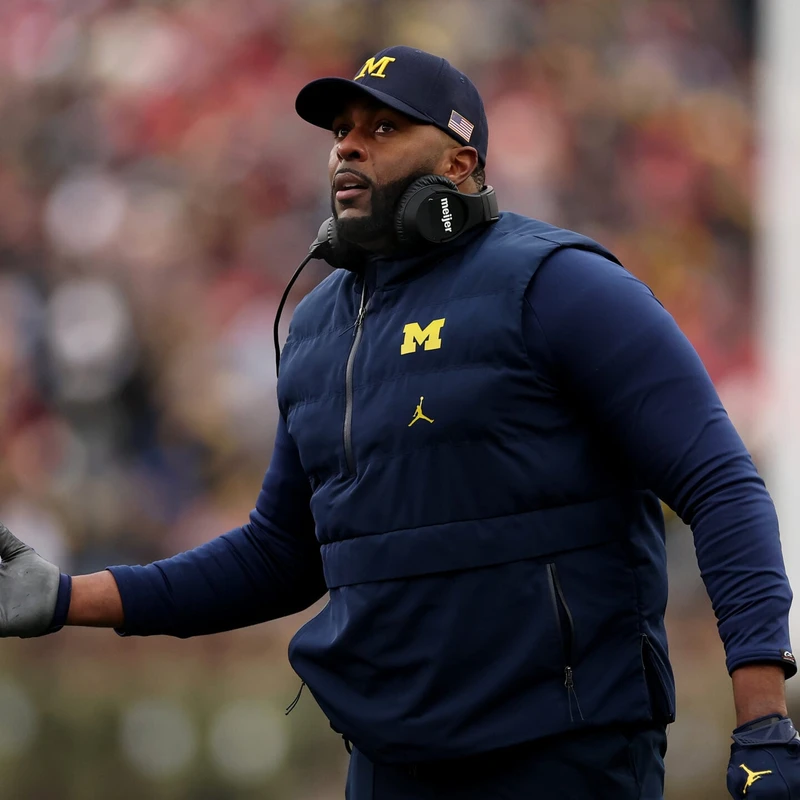
A deeply personal and emotional story has emerged regarding former University of Michigan football coach Sherrone Moore. In a recent interview, Paige Shiver revealed new details about their past relationship, including a previously undisclosed pregnancy that occurred during their time together.
Details of the Relationship and Pregnancy
Shiver shared her story on Good Morning America, becoming visibly emotional as she discussed the pregnancy. She described the relationship with Moore as “inappropriate,” noting that it began in 2022 when she was an intern and continued even after she was promoted to executive assistant in 2024. This timeline highlights a significant power imbalance.
The pregnancy itself was complicated by Pompe disease, a rare genetic condition that poses serious health risks. Shiver stated that medical professionals advised against continuing the pregnancy due to these risks. She confirmed that she had wanted to keep the child but ultimately followed medical guidance, and that Moore was aware of the situation and supported her decision to prioritize her health.
Legal Ramifications and Sentencing
Following the relationship, Shiver filed a formal complaint, which ultimately led to Moore’s termination as head coach on December 10, 2025. On the same day, Moore was arrested following allegations of entering Shiver’s home without permission and behaving threateningly, which Shiver reported as a fear for her safety.
Moore later pleaded no contest to misdemeanor charges related to the incident. On April 14, 2026, he was sentenced to 18 months of probation and a $1,000 fine. A judge determined that incarceration was not necessary, but issued a stern warning about potential stricter penalties for any probation violations. Shiver has expressed that the sentence doesn’t adequately reflect the gravity of the situation.
Broader Implications
Moore’s legal team has indicated they consider the matter closed. However, this case has brought significant attention to critical issues within college athletics, including workplace power dynamics, the complexities of consent, and the importance of accountability, especially when relationships involve substantial imbalances of authority.
What are your thoughts on the issues raised by this case? Share your perspective in the comments below.
Leave a Reply