Managing Type 2 diabetes often involves making significant dietary changes, which can feel challenging. However, research increasingly points to a delicious and sustainable solution: a plant-based diet. Focusing on vegetables, fruits, lentils, beans, and grains as your primary energy sources might be the key to better managing your condition and living a healthier life.
Beyond Restriction: The Many Benefits of Plant-Based Eating
While often perceived as restrictive, plant-based diets offer a wealth of benefits that extend far beyond just managing diabetes. By prioritizing plant-derived nutrients, you can contribute to a more sustainable planet, as the meat and fish industries have a significant impact on carbon emissions. Cutting out meat also reduces saturated fat intake, a major factor in heart conditions.
Furthermore, a diet rich in fruits, vegetables, legumes, and healthy fats actively promotes heart health and can help lower LDL (bad) cholesterol levels. Studies also suggest a link between plant-based eating and improved cognitive function, potentially reducing the risk of dementia and Alzheimer’s thanks to the polyphenols found in whole plant foods.
How Plant-Based Diets Help Manage Blood Sugar
For individuals with Type 2 diabetes, the benefits of a plant-based diet are particularly profound. Not only can it help reduce the risk of developing the condition, but it can also significantly aid in managing it for those already diagnosed. The primary mechanism? Better blood sugar control.
Foods like fruits, vegetables, legumes, and whole grains are naturally high in fiber. Fiber plays a crucial role in helping the body regulate blood sugar levels more effectively by slowing down the digestion of carbohydrates and the absorption of sugar. This leads to more stable glucose levels throughout the day.
Getting Started with Plant-Based Diabetes Management
Transitioning to a plant-based diet for diabetes management is more accessible than you might think. The key is to start with whole foods you enjoy and ensure each meal includes a balanced combination of protein, carbohydrates, and healthy fats. While focusing on plants, it’s important to ensure adequate intake of protein and iron to support overall bodily functions.
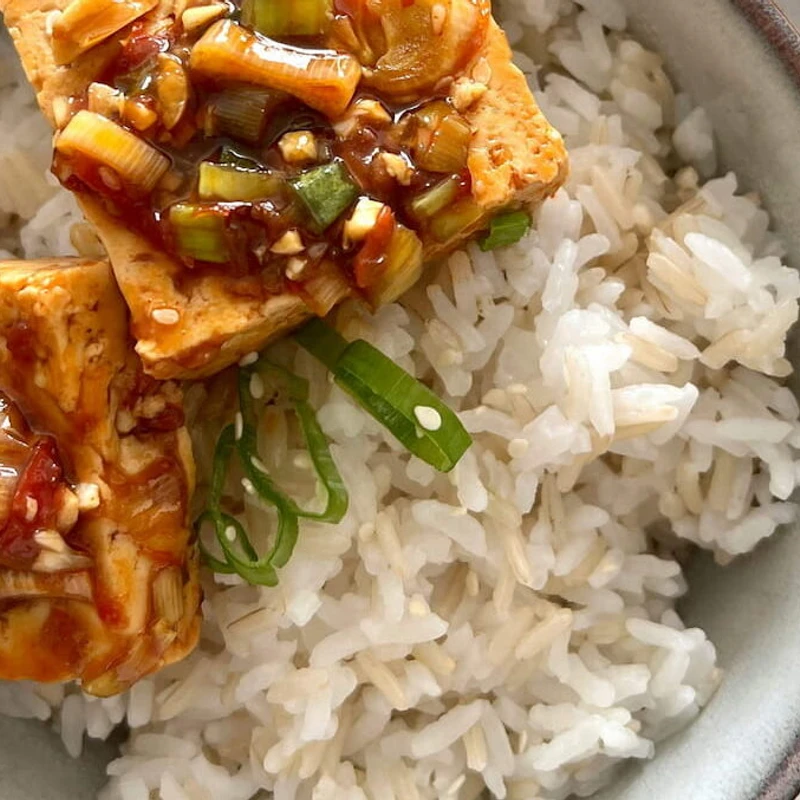
- Tofu Stir-Fry: Press tofu, chop your favorite vegetables (like onions, broccoli, carrots), cook tofu until browned, sauté veggies, add a stir-fry sauce, and serve over rice or noodles.
- Chickpea Salad Sandwich: Mash drained chickpeas with chopped onions, relish, banana peppers, salt, pepper, and vegan mayo. Serve on bread for a quick and satisfying meal.
- Chia Seed Pudding: Mix 3 tbsp chia seeds with 1 cup of plant-based milk (oat, almond, soy, coconut). Add protein powder for an extra boost. Let it sit overnight in the fridge and top with fruit or granola.
- Roasted Buffalo Cauliflower Bowl: Toss cauliflower florets with olive oil and seasonings (salt, pepper, garlic powder, paprika), roast until browned, coat with buffalo sauce, and serve over rice or quinoa with pickled red onions.
Making gradual changes, such as incorporating “Meatless Mondays” or trying new plant-based recipes weekly, can make the transition smoother and more sustainable. While it might seem daunting at first, taking small, smart steps can lead to significant improvements in managing your diabetes and overall well-being.
Are you considering a plant-based diet for diabetes management? What are your favorite plant-based recipes? Share your thoughts and tips in the comments below!
Leave a Reply