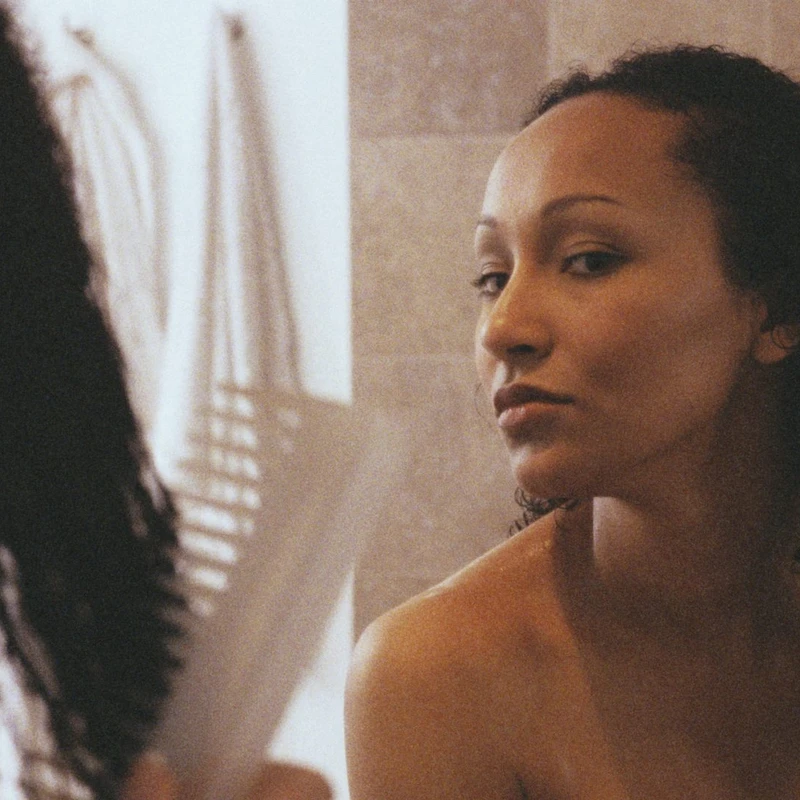
We all experience a bit of hair shedding daily – it’s totally normal to lose around 50 to 100 strands. But what happens when your hair suddenly stops growing back, or you notice it getting thinner all over? If you’re in your 30s and experiencing this, it might be time to consider a hormonal shift you might not expect: perimenopause.
The Surprising Link Between Hair Loss and Perimenopause
New data reveals that a significant number of women aged 35-44 report hair loss, making it the most common age group experiencing this symptom. Shockingly, less than half of them connect this to perimenopause, a major hormonal transition. Unlike typical hair shedding, perimenopausal hair loss often leads to gradual thinning across the entire scalp and a widening hair part, rather than distinct bald patches.
For Black women, this connection is particularly crucial. Studies show Black women are more susceptible to experiencing menopause earlier. Recognizing hair loss as a potential symptom can be key to understanding and addressing these changes, especially since it can be mistaken for other common hair issues like traction alopecia.
Understanding Hair Loss vs. Hair Shedding
It’s easy to confuse hair loss with hair shedding, but they’re quite different. Daily shedding of up to 100 hairs usually goes unnoticed because new hair grows simultaneously, maintaining appearance. However, menopausal hair loss is distinct. A sudden increase in shedding or excessive thinning can be problematic, often linked to the natural decline in estrogen during menopause, which affects hair follicle health.
Why Early Recognition Matters for Black Women
Identifying menopausal hair loss early is especially important for Black women. This is due to a combination of factors: earlier hormonal changes associated with menopause and existing risk factors that make the community more prone to conditions like CCCA (central centrifugal cicatricial alopecia). Unfortunately, healthcare providers may not always fully understand these pre-existing risks.
Early diagnosis and treatment can significantly reduce the extent of hair loss and mitigate the impact on a woman’s psychological well-being. So, how do you spot it? Keep an eye on your hair during wash days or when you remove your bonnet at night. Is the shedding more than usual? Is your scalp becoming more visible? Is your afro looking thinner? If these changes persist for over three months, it’s time to consult a dermatologist.
The Hormonal Rollercoaster of Perimenopause
During perimenopause, which can begin up to a decade before actual menopause, the ovaries produce less estrogen and progesterone – hormones vital for hair growth and thickness. Simultaneously, androgen production can increase, causing hair follicles to shrink and hair to become finer and thinner. This hormonal shift can occur alongside other perimenopausal symptoms like irregular periods, hot flashes, and night sweats.
It’s also worth noting that factors like genetics, stress, and hormonal imbalances such as PCOS can worsen hair loss. The key takeaway is that hair loss during this transition is a legitimate symptom, not just a cosmetic issue.
What Can You Do About It?
Many women suffer in silence, believing nothing can be done about hair loss. However, this couldn’t be further from the truth! While hair loss can be gradual, addressing it sooner rather than later opens up more options for stabilization or even reversal. Treatments range from medical therapies like HRT (Hormone Replacement Therapy) and lifestyle adjustments to over-the-counter solutions like topical minoxidil and specialized shampoos.
Breaking the Taboo Around Early Menopause
A major reason women remain unaware of early menopause signs is the misconception that it only affects women in their 50s. Early menopause (before 45) and premature menopause (before 40) are often overlooked. Symptoms can be mistaken for stress or lifestyle changes, leading to delayed diagnoses. For Black women, who are already more susceptible to premature menopause and face unique healthcare challenges, breaking this taboo is essential. Understanding these symptoms, no matter how subtle, can make a significant difference in managing this life transition.
Have you experienced hair thinning or loss in your 30s? Did you consider it might be related to hormonal changes? Share your experiences and thoughts in the comments below!
Leave a Reply