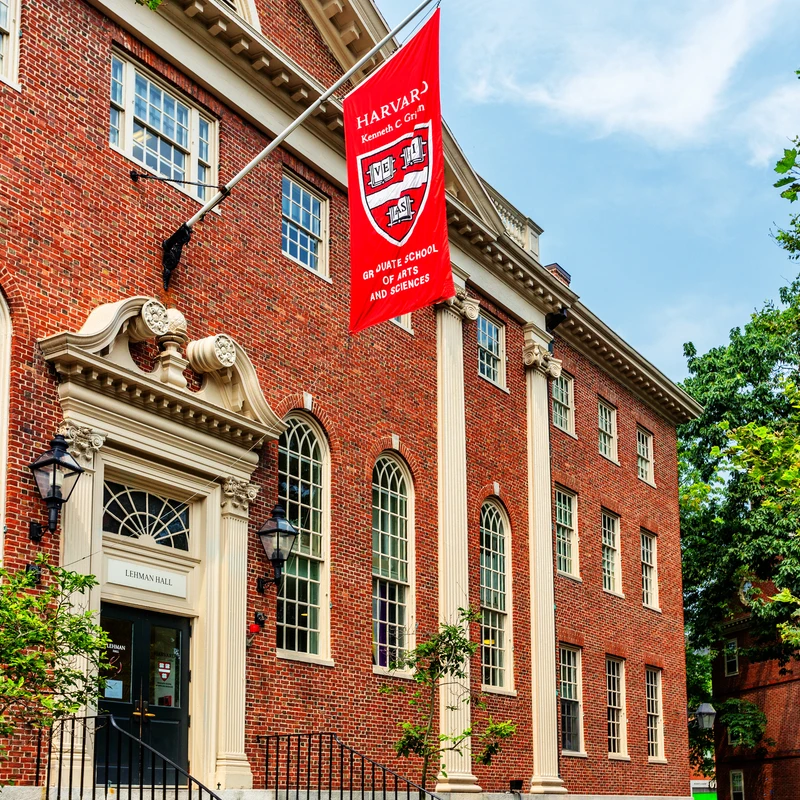
Harvard University’s ambitious $100 million initiative, “Legacy of Slavery,” was intended to be a comprehensive examination of its historical ties to slavery. However, the project is now embroiled in controversy, facing significant backlash from scholars and researchers who claim the university is prioritizing public relations over genuine historical accountability and meaningful reparations.
Allegations of Research Suppression and Dilution
Researchers involved in the project are speaking out, alleging that Harvard is actively “delaying and diluting” findings that connect the institution to descendant communities. Doctoral student Christopher Newman claims he was escorted off campus and banned after pushing for deeper investigations into Harvard’s links to enslaved populations in Antigua. His experience seems to be part of a larger pattern, with three high-ranking academics departing and 11 researchers reportedly fired.
These allegations suggest a deliberate effort to sanitize the historical narrative and avoid the sensitive topic of “reparations.” Independent research, like that led by Richard Cellini, identified nearly 1,000 enslaved individuals and an estimated 10,000 living descendants. However, many of these crucial details were reportedly absent from Harvard’s official 2022 report.
A History Rooted in the 17th Century
Harvard’s deep historical connections to slavery date back to the 1640s. Notably, Samuel Winthrop, son of Harvard founder John Winthrop, established a significant plantation in Antigua. Despite these clear historical links, diplomatic dialogue with officials from Antigua and Barbuda has been ongoing for years, with limited substantive response from Harvard.
Instead of direct engagement on reparations, critics point to Harvard’s offer of discounted online business development courses as mere “window dressing” – more performative than substantive. While a university spokesperson stated the report’s data was “carefully researched and sourced,” those who feel their work was suppressed argue the initiative lacks transparency and fails to live up to its $100 million promise.
My role was to hold down a desk that allowed Harvard to mislead the press about how serious they were about making reparations. — Caitlin DeAngelis, Researcher
What are your thoughts on Harvard’s approach to its legacy of slavery? Share your opinions in the comments below.
Leave a Reply