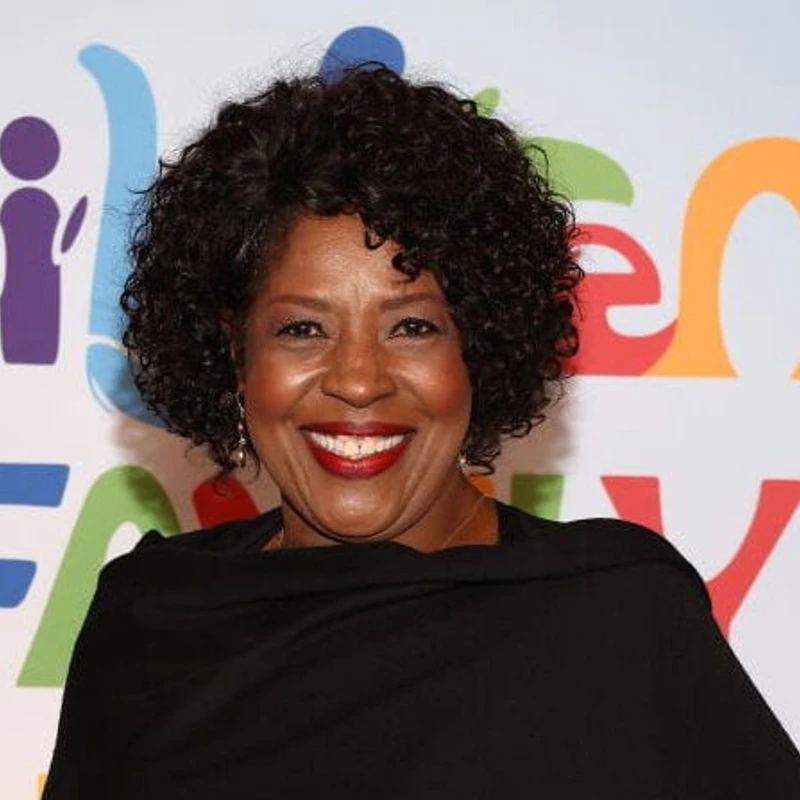
Fans of the beloved sitcom ‘Family Matters’ can breathe a sigh of relief. Jo Marie Payton, who portrayed the iconic Harriette Winslow, recently shared details of a frightening health scare that temporarily left her unable to walk or talk. The 75-year-old actress described the ordeal as part of a months-long health battle earlier this year.
In a heartfelt video message, Payton shared her progress: “Two months ago, I couldn’t walk. I couldn’t talk, at the start of this last year. But I’m walking better than I thought I would, talking better than I thought I would talk. I’m doing okay. Keep praying for me, I’ll be back.” Her message of hope and gradual improvement has resonated deeply with fans.
Signs of a Serious Medical Event
While Payton hasn’t publicly confirmed the exact diagnosis, her use of a walker and, at times, a wheelchair clearly indicates a significant impact on her mobility and neurological function. Medical experts suggest that sudden loss of speech and mobility, especially in older adults, often points to serious conditions.
- **Stroke (Cerebrovascular Accident):** This is a primary suspect, as strokes can disrupt blood flow to the brain, causing sudden speech difficulties (aphasia) and weakness or paralysis affecting walking. Recovery often involves extensive rehabilitation, aligning with Payton’s gradual improvement.
- **Transient Ischemic Attack (TIA):** Known as a “mini-stroke,” a TIA can temporarily mimic stroke symptoms, affecting speech and movement, and may serve as a warning sign for a future stroke.
- **Neurological Disorders:** Conditions like Guillain-Barré syndrome, multiple sclerosis flare-ups, or severe nerve inflammation can impair both motor control and communication.
- **Severe Infection or Complication:** Serious infections, such as sepsis or pneumonia impacting oxygen levels, can lead to temporary neurological dysfunction, weakness, confusion, or speech difficulties.
- **Post-Surgical or Medication-Related Complications:** In some instances, reactions to medical procedures or medications can affect brain function, muscle coordination, or speech clarity.
An Outpouring of Love and Support
News of Payton’s health scare prompted an outpouring of love and support from fans across generations. Social media was flooded with messages of hope, prayer, and admiration. Many expressed relief at her progress, calling her a “TV mom forever” and a symbol of resilience. Her willingness to share her journey openly has been particularly inspiring.
A Message of Resilience
Payton’s experience serves as a powerful reminder that serious health events can strike unexpectedly, even those who appear active and vibrant. Her story underscores the critical importance of early medical intervention, dedicated rehabilitation, physical therapy, and strong emotional and spiritual support systems. For many older adults, recovery is possible with patience, persistence, and community support.
Despite the uncertainty surrounding her specific diagnosis, Jo Marie Payton is clearly on the road to recovery, demonstrating remarkable grace. Her message is a universal one: setbacks don’t define us; our response to them does. Based on her progress, fans can look forward to seeing her back, stronger than ever.
What are your thoughts on Jo Marie Payton’s recovery journey? Share your messages of support in the comments below!
Leave a Reply