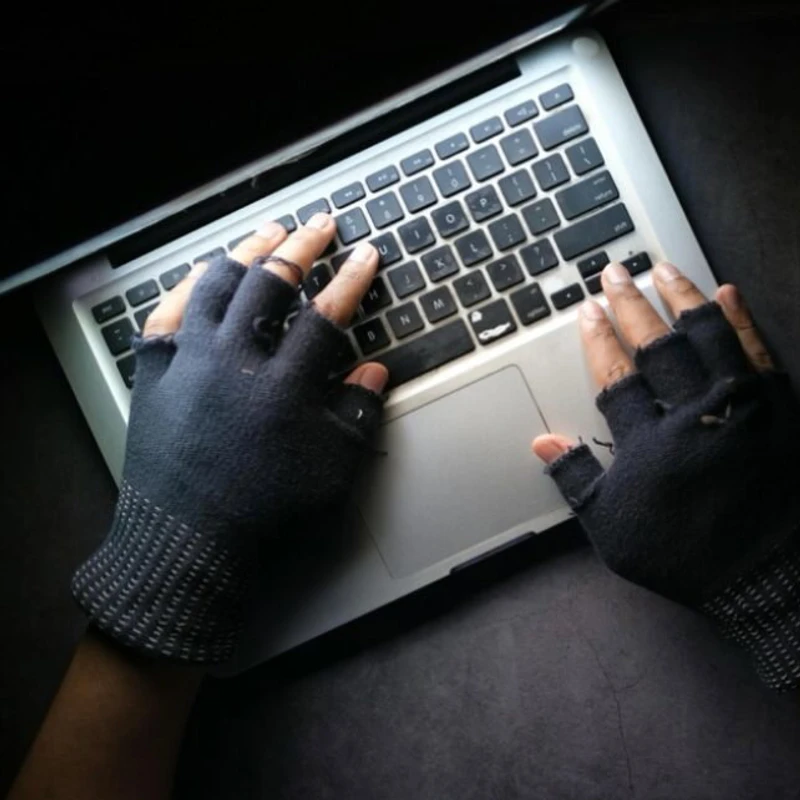
During Sexual Assault Awareness Month, a chilling investigation by CNN has shed light on a disturbing corner of the internet: online platforms where men are actively seeking to learn how to sexually manipulate and abuse their partners. This expose, part of CNN’s “As Equals Series” on gender inequality, reveals a hidden world of harmful intent.
Undercover in the ‘Online Rape Academy’
Reporters went undercover on websites and chatrooms, including Motherless and Telegram, to uncover how men are seeking advice on “best practices” for sexually abusing and manipulating their partners. The findings are deeply troubling, revealing a disturbing trend of premeditated abuse.
The investigation found that some porn websites feature “sleep” content, with thousands of videos showing men filming women who are asleep or sedated. Videos tagged with #passedout and #eyecheck have garnered tens of thousands of views. In one chat group, a user admitted to wanting to perform such acts on his wife but feared an overdose, only to be advised by another user on the “proper” way to administer substances.
The Sale of ‘Sleeping Liquids’ and Livestreamed Abuse
The exposé also uncovered a disturbing black market where users claim to sell “sleeping liquids” – described as tasteless and odorless – for around $175 per bottle, with worldwide shipping. These substances are marketed as a way to incapacitate a partner without their knowledge or memory of the act.
To further monetize this abuse, some users livestream the acts in real-time for a fee, often preferring cryptocurrency for payment. One user from West Africa livestreamed an encounter where his wife appeared to be sleeping, before the video cut off. While some users discuss methods to avoid getting caught, others openly confess their intentions.
Victims’ Stories and Troubling Statistics
The report includes the harrowing account of Zoe Watts, a victim of her husband’s long-term sexual abuse. He confessed to using their son’s sleeping medication in her nightly tea to incapacitate her for photographs and rape. Watts struggles with the term “rape” due to the painful nature of the abuse, especially given the betrayal by her partner of 16 years.
Her experience is not isolated. Troubling data from the World Health Organization indicates that close to one in three women globally experience sexual violence from their partner during their lifetime, a statistic that has seen little change since 2000. In 2025, an estimated 316 million women experienced physical or sexual abuse by an intimate partner, with progress in reducing intimate partner violence being incredibly slow.
This investigation is deeply disturbing. If you or someone you know needs help or support regarding sexual assault or domestic violence, please reach out to a crisis hotline or relevant organization. Share your thoughts on the prevalence of online abuse and the need for greater awareness in the comments below.
Leave a Reply