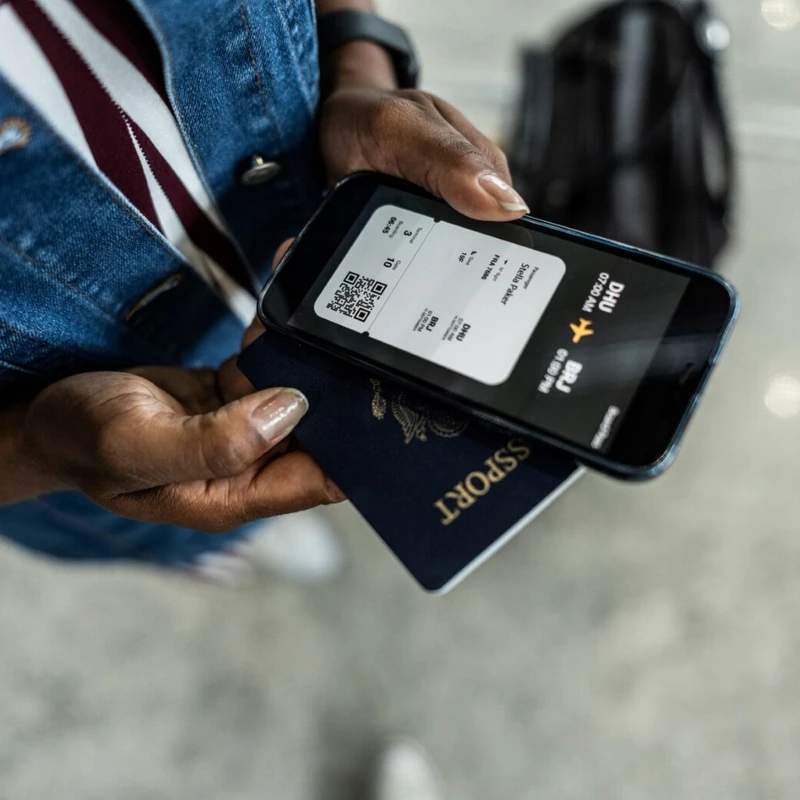
Remember when the cheapest flight fare was always the golden ticket? Well, the math of travel has changed. In 2026, simply looking at the initial price tag for a flight isn’t enough. Factors like soaring baggage fees, volatile fuel prices, and the ever-present risk of disruptions mean that sometimes, paying a bit more upfront for a direct flight is the truly economical choice.
The Hidden Costs of Connections
Airlines are responding to rising jet fuel costs with increased fees. Delta, Southwest, American, and Alaska Airlines have all recently boosted checked bag fees. American Airlines is even adding surcharges to some basic economy bookings. These added costs can quickly inflate the price of what initially seemed like a bargain ticket.
Beyond fees, connections introduce a significant risk of disruption. The U.S. Department of Transportation’s Fly Rights guide explicitly warns about the possibility of misconnections, especially with short layovers, bad weather, or airport congestion. Each connection point is another place where your trip can go wrong, and the costs associated with that can be substantial.
Why Direct Flights Offer Better Value
A nonstop flight simplifies your journey from the outset. With just one check-in, one boarding process, and one arrival, you eliminate major points where delays can cascade. This is especially crucial during peak travel times or storm seasons.
Consider the potential downstream costs of a missed connection: unplanned meals, airport hotel stays, extra transportation, replacement toiletries, additional childcare or pet-care expenses, and the loss of prepaid reservations at your destination. For shorter trips, a missed connection can mean losing an entire day. For families, older travelers, or those on international routes, the added stress and fatigue are also significant factors.
The Impact of Fuel Prices on Fares
The current volatility in jet fuel prices is making this calculation even more critical. Industry leaders warn that even if shipping routes stabilize, jet fuel supply could remain constrained for months. This translates to higher travel costs, fewer flight options, and airlines leaning more heavily on ancillary revenue. Lower fares often come with fewer included services and less flexibility when things go awry.
Ultimately, the price displayed on the fare search page only covers your seat. It doesn’t account for the real-world expenses incurred by travel disruptions. In today’s market, travelers must weigh the route, timing, and existing commitments against the headline ticket price. For trips with fixed plans, investing a little more in a direct flight often proves to be the most financially sound decision.
How do you approach booking flights? Do you prioritize direct flights or the cheapest fare? Share your travel strategies in the comments below!
Leave a Reply