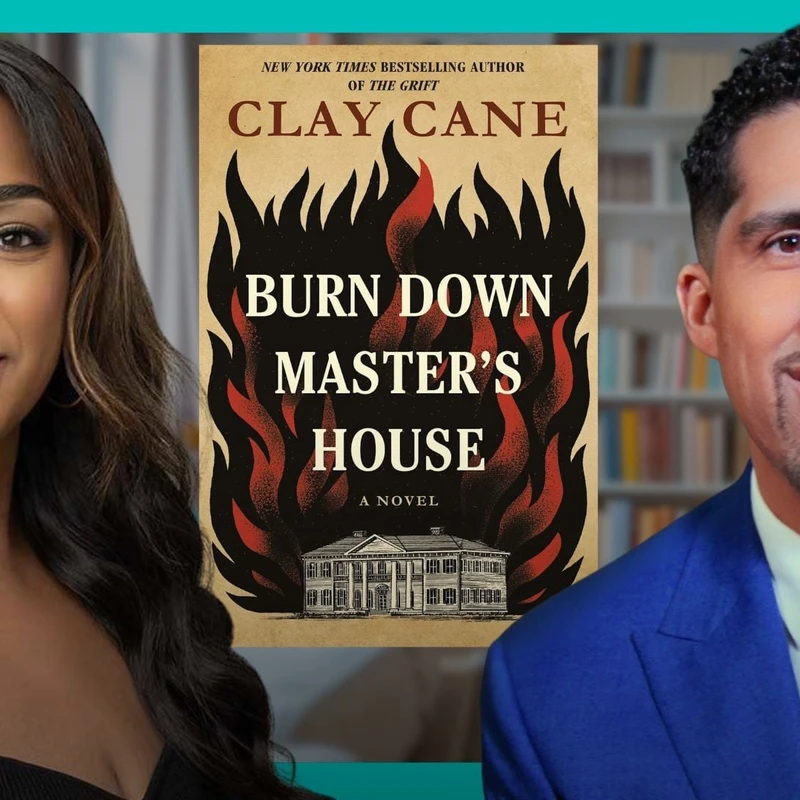
Imagine pouring years of your life into a project, only to be met with deafening silence from the very media outlets you’d expect to champion it. That was the reality for award-winning journalist and author Clay Cane when his latest book, “Burn Down Master’s House,” was released. Despite anticipating the usual press coverage, Cane found himself ignored by legacy media. Yet, this silence only paved the way for a different kind of success.
Defying the Gatekeepers
The result? “Burn Down Master’s House” debuted at number five on the New York Times Hardcover Fiction Bestsellers list, even outselling John Grisham. This incredible achievement proves that the power of gatekeepers in traditional media might not be as absolute as they believe. Cane’s success story is a testament to the strength of community and the resilience of creators who refuse to be silenced.
This wasn’t Cane’s first brush with bestseller lists; his nonfiction book, “The Grift,” previously hit number seven. However, the journey to “Burn Down Master’s House” was a much longer one. He began writing the historical fiction novel over 20 years ago, inspired by the real stories of enslaved people who fought back. Despite holding onto the idea, the publishing world wasn’t ready for it.
A Story Rooted in Resistance and History
The pivot from nonfiction to fiction was met with skepticism from some, but Cane felt compelled to tell this story. He was driven by a desire to combat misinformation and lies about American history, particularly concerning slavery. Quotes from figures like Kanye West, Ron DeSantis, and Nikki Haley, which downplayed or distorted the realities of slavery, fueled his urgency.
“I said, I got to burn down misinformation. I got to burn down disinformation. I got to burn down lies about our history,” Cane explained. “And that’s my hope and my intention with ‘Burn Down Master’s House.’” The novel features main characters based on real individuals like Josephine, Charity, Luke, Henry, and even a Black enslaver named Nathaniel, whose stories Cane unearthed through years of research in court records and old newspapers.
Honoring Ancestors and Overcoming Erasure
Cane’s connection to the story runs deep, with secondary characters named after his own ancestors from Goshen, Virginia. While their specific stories may be lost to time, Cane sought to celebrate their memory. The book also makes a point to highlight the often-overlooked roles of enslaved women and LGBTQ+ individuals in acts of resistance during American chattel slavery.
We rarely ever hear about women fighting back in American chattel slavery, but there had to have been Black women fighting back, you know, for years. — Clay Cane
In a deliberate choice to move beyond the dehumanizing label of “property,” Cane refers to the enslaved individuals as “souls”—souls working, fighting, and burning down the master’s house. He also intentionally avoids the word “slaves,” opting for this more empowering terminology.
Friendship, Loss, and Community Support
The creation of “Burn Down Master’s House” was also deeply intertwined with personal loss. As Cane revised the book, his best friend of over 20 years, Alexa Muñoz, was battling lupus. Muñoz, an Afro-Latina and brilliant writer herself, tirelessly edited the book from her hospital bed. She passed away in May 2025, and the book is dedicated to her memory. Cane described her as his “tribe,” crediting her with pushing him to write and noting that her spirit is woven into the book.
When legacy media remained silent, Cane didn’t wait for their approval. He leaned into the community he had spent years building. Through his Sirius XM show, independent media outlets, trusted voices like Don Lemon and Karen Hunter, and his social media supporters who shared early copies, the word spread organically. “I leaned into my people,” he stated.
Cane emphasized that Black communities buy books at higher rates than other demographics, a fact supported by data. His bestseller status is a powerful validation not only for him but for all Black authors and creators who have faced similar resistance. “It just shows you the gatekeepers can’t tell you what you want,” he quoted Reecie Colbert.
- Clay Cane’s novel ‘Burn Down Master’s House’ became a New York Times bestseller despite media silence.
- The book is a historical fiction novel based on real stories of enslaved people’s resistance.
- Cane spent over 20 years developing the story, facing initial publishing resistance.
- The novel highlights the contributions of enslaved women and LGBTQ+ individuals.
- Cane dedicated the book to his late best friend, Alexa Muñoz.
- The success was driven by strong community support and independent media outreach.
Cane’s message to aspiring creators is clear: “At the end of the day, for real, for real — they need us more than we need them.” He encourages readers to internalize the book’s themes of resistance and to identify areas in their own lives that need transformation. “My book is a beautiful domino effect… that it imprints people to give them hope, to give the hope that we can reimagine where we are right now to be different.”
Have you read ‘Burn Down Master’s House’? What did you think of Clay Cane’s message of resistance and community? Share your thoughts in the comments below!
Leave a Reply