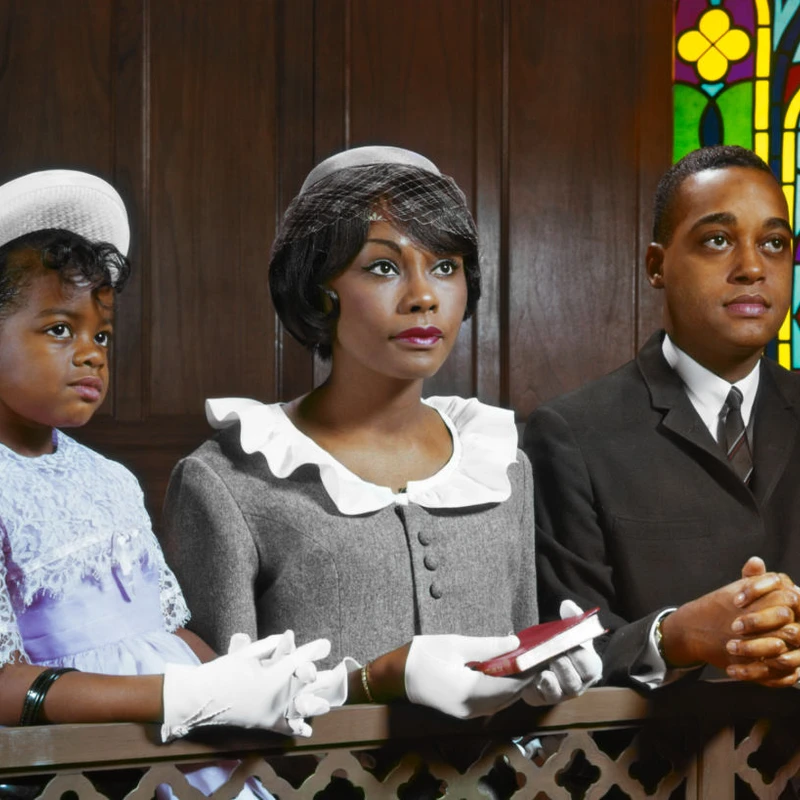
Easter Sunday is more than just a religious holiday for many in the Black community; it’s a cultural cornerstone. It’s a day where faith, fellowship, and fashion converge in a spectacular display. At the heart of this tradition are the elders, particularly the women, who showcase an unparalleled level of intentionality and elegance in their Easter ensembles. This isn’t just about looking good; it’s a profound statement of resilience, identity, and deep-seated respect, carrying historical weight that stretches back generations.
The Roots of “Sunday Best”
The concept of “Sunday Best” in the Black community is deeply intertwined with a history of struggle and perseverance. During eras of enslavement and Jim Crow, Black individuals were systematically denied basic dignity and material wealth. Yet, the church often served as a vital sanctuary, a place where a sense of self and personal agency could be powerfully expressed through attire.
As writer and creator Virginia Cumberbatch notes, fashion is a political tool, a universal language that communicates values and beliefs. For centuries, clothing has been used to anchor cultural practices and challenge the status quo. In the face of invisibility and injustice, marginalized communities, including Black women, have consistently used their style – their “LEWKS” – as a form of resistance and self-affirmation.
Dressing with Dignity and Defiance
In a world that often sought to dehumanize, adorning oneself in the finest attire was a silent, yet potent, protest. It was a way to affirm self-worth and demand respect. For many, a new suit, crisp gloves, or a stylish hat represented not just accomplishment but also the enduring hope for a better future. When financial mobility was limited, investing care and resources into one’s appearance for the Lord’s Day became a significant marker of status and pride for the entire community.
The elders, by dressing impeccably, set a standard, embodying the community’s collective commitment to excellence, even amidst adversity. This tradition continues today, with younger generations learning the profound meaning behind this ritualistic dressing.
The Easter Apex: A Celebration of Faith and Freedom
Easter Sunday represents the pinnacle of this fashion tradition—a spiritual and sartorial crescendo. While every Sunday calls for effort, Easter demands a masterpiece. Kyra Brown, Founder of Resilient Grace, emphasizes that Easter fashion is a reflection of faith, freedom, and identity. From vibrant pastels to crisp suits and all-white ensembles, “Sunday Best” is a visual testament to reverence and pride.
For Black people, clothing has always represented freedom. — Kyra Brown, Founder of Resilient Grace
Rooted in history and resilience, Easter style honors ancestors who gave their best to God despite facing immense challenges. It transforms dressing up into an act of dignity and worship. Today, this legacy lives on, blending generational memories with personal expression, celebrating both resurrection and representation.
Elements of Easter Elegance
The signature elements of Easter fashion for Black elders are characterized by maximalism, meticulous coordination, and an artistic attention to detail. The Easter Hat, often referred to as the “crown,” is paramount, especially for women. These wide-brimmed, often brightly colored creations, adorned with feathers, flowers, or jewels, are more than accessories; they are statements of royalty and reverence, famously echoed in the headwear choices of figures like Michelle Obama.
- **Fabrics and Colors:** Lighter, brighter hues and luxurious materials like silks, satins, and fine wools, symbolizing spring and new life.
- **Flawless Fit:** Impeccable tailoring that reflects the high respect for the occasion.
- **Coordinated Accessories:** Gloves, matching shoes, and handbags are essential for a polished, cohesive look.
This elaborate display is not merely about individual style; it’s about legacy. Grandparents pass down the importance of this ritual, ensuring younger generations understand the profound meaning of that walk into the sanctuary on Easter morning. It’s a representation of a lineage of resilience and faith.
How do you celebrate Easter fashion? Share your traditions and favorite looks in the comments below!
Leave a Reply