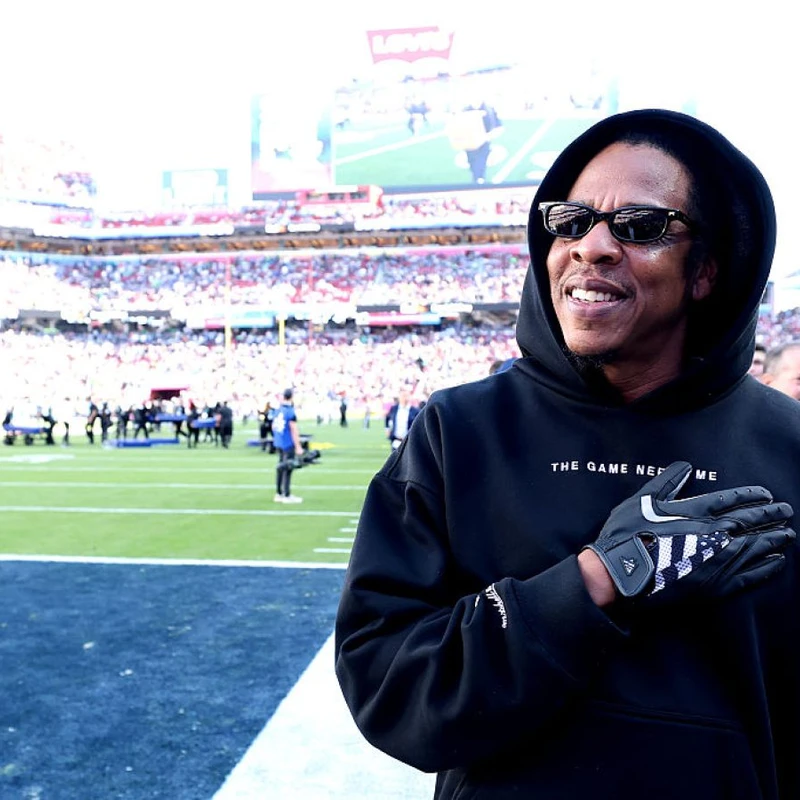
The conversation around billionaires often boils down to a simple question: are they inherently problematic? With Jay-Z, a hip-hop mogul and billionaire, recently featured in GQ, this debate is reignited. A Pew Research Center study even found that one in three young Americans view being a billionaire as ‘morally wrong.’ But is it fair to blame individuals when capitalism, the system that enables such wealth, is America’s preferred economic model?
The American Dream and Success
Jay-Z himself points to the ‘American Dream’ narrative that encouraged many, including himself, to pursue success. He questions why this pursuit becomes an issue only when African Americans achieve it. Given America’s emphasis on the dream of wealth and prosperity, can we truly fault someone for benefiting from the art they created? Jay-Z believes he hasn’t taken advantage of people, and perhaps he has a point. Blaming him solely for his wealth might miss the bigger picture.
As Jay-Z suggests, ‘your morality defines who you are, right. Not what you’ve attained.’ This shifts the focus from the amount of wealth to how that wealth is utilized. While not all billionaires are inherently ‘bad,’ observing how their morality influences their actions with their wealth is crucial.
Morality, Justice, and Systemic Change
Morality extends beyond simple right and wrong; it encompasses the distribution of justice. The Civil Rights Movement taught us to question societal politics, which include not just voting but also the costs of healthcare, education, and housing. Jay-Z’s journey from the Marcy Projects to dominating multiple industries highlights the potential of hard work within the American system. However, his stated commitment to racial justice needs to be measured against tangible actions that align with solutions proposed by organizations focused on systemic change.
While Jay-Z’s Shawn Carter Foundation supports reputable organizations like the Reform Alliance and the NAACP, his philanthropy risks becoming disconnected from systemic racial injustice if it doesn’t consistently address issues like Project 2025 and its impact on Black working-class communities. This is particularly relevant given the rise in Black unemployment rates and the rollback of DEI initiatives under the current political climate.
A Call for Bold Action
In an era of rising anti-Black racism and dwindling support for racial justice movements, the resources of the Black upper class are essential. Figures like Harry Belafonte set a precedent, using their wealth and influence not just as charity but as a catalyst for systemic change. Imagine if Black billionaires collectively invested in initiatives that directly counter policies like Project 2025 and robustly support the social movements advocating for working-class Black individuals.
Black America cannot afford to prioritize personal wealth accumulation over the fight for racial justice. Under-resourced Black-led nonprofits, organizers, and HBCUs desperately need support. We need an economic system that values people over profits and a political structure that ensures a living wage, healthcare, and overall well-being for everyone, especially marginalized communities.
Measuring Morality Through Action
While radical world-changing might not be expected, billionaires possess resources that can significantly contribute to a racial justice agenda that uplifts the working class. Key questions for billionaires like Jay-Z involve their stance on universal healthcare, affordable housing, equitable pay, and quality education—issues that are not just political but deeply moral, and disproportionately affect African Americans. How Jay-Z, and others like him, respond to these concerns will be the truest measure of their morality.
What are your thoughts on the responsibility of billionaires in addressing social and racial justice issues? How can figures like Jay-Z make a more significant impact? Share your perspectives in the comments below!
Leave a Reply