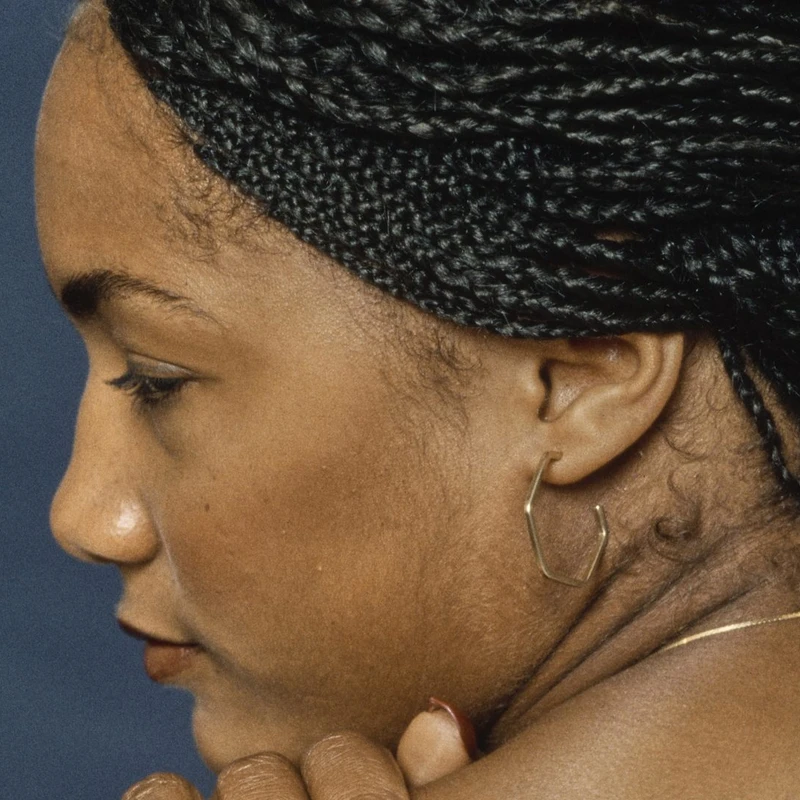
For years, many have opted for human braiding hair, believing it to be a safer, more natural alternative to synthetic options. However, a recent study by Consumer Reports is turning that assumption on its head, revealing that human hair might actually contain higher levels of concerning toxins, particularly lead.
Shocking Findings: Human Hair’s High Lead Content
Following up on a previous study that found carcinogens in synthetic braiding hair, Consumer Reports has now tested 30 different braiding hair products, including human, plant-based, and synthetic types. The results were startling: lead was detected in 29 out of the 30 products tested. Shockingly, human hair samples contained exponentially higher levels of lead compared to other categories.
Dr. James Rogers, director of product safety research and testing at Consumer Reports, stated, “Our test demonstrated that human hair has far higher levels of lead than any other products that we’ve tested. We don’t think human hair represents a safer alternative.” Brands like Yummy Extensions, Shake-N-Go, and Sensationnel, which are made from human hair, showed the highest lead levels among all products examined.
Understanding the Risk Assessment
The study utilized a hand-to-mouth risk assessment model. This approach considers potential exposure through actions like a braider separating strands with their mouth, eating while braiding, or touching braids and then one’s mouth. While consumers aren’t literally eating their braids, the concern is about the cumulative exposure over time.
Dr. Rogers explained that exposure is likely additive, meaning the heavy metals accumulate. Additional risks could arise from heating the hair, such as burning or dipping ends, or from micro-lesions caused by tight braiding. The study suggests that the women who grow and sell their hair might be exposed to lead in their environment, diet, or water, which then transfers to the hair. Further chemical treatments like dyeing also contribute to the problem.
Plant-Based and Synthetic Options
Even plant-based brands, like Rebundle (made from banana plant fibers), which claim to be non-toxic, still contained lead. However, Rebundle’s product showed one of the lowest levels of lead and no detectable arsenic or cadmium. Ciara Imani May, CEO of Rebundle, noted that lead is an environmental metal and they are investigating potential sources.
The study also highlighted a synthetic brand, Dosso Beauty, as the safest overall, containing no detectable heavy metals. While it did contain VOCs like acetone, its heavy metal levels were significantly lower than other products tested. Dr. Rogers specifically recommends this brand for his own daughter if heavy metal exposure is a concern.
Moving Towards Safer Standards
- Human braiding hair showed significantly higher lead levels than synthetic options.
- Lead was detected in 29 out of 30 products tested.
- The hand-to-mouth risk assessment model was used to evaluate potential exposure.
- Cumulative exposure and additional risks from heat and tight braiding are concerns.
- Dosso Beauty (synthetic) was the only brand with no detectable heavy metals.
- Plant-based brands like Rebundle also showed lower levels of lead.
The findings from Consumer Reports underscore the importance of scrutinizing the products we use daily. The existence of safer options like Dosso Beauty demonstrates that responsible manufacturing is possible and puts pressure on other brands to improve their standards. As Dr. Rogers puts it, consumers are “voting with your dollars for safer products,” and Black women’s health is certainly worth it.
Were you surprised by these findings? What steps will you take to ensure the safety of your braiding hair? Share your thoughts and experiences in the comments below!
Leave a Reply