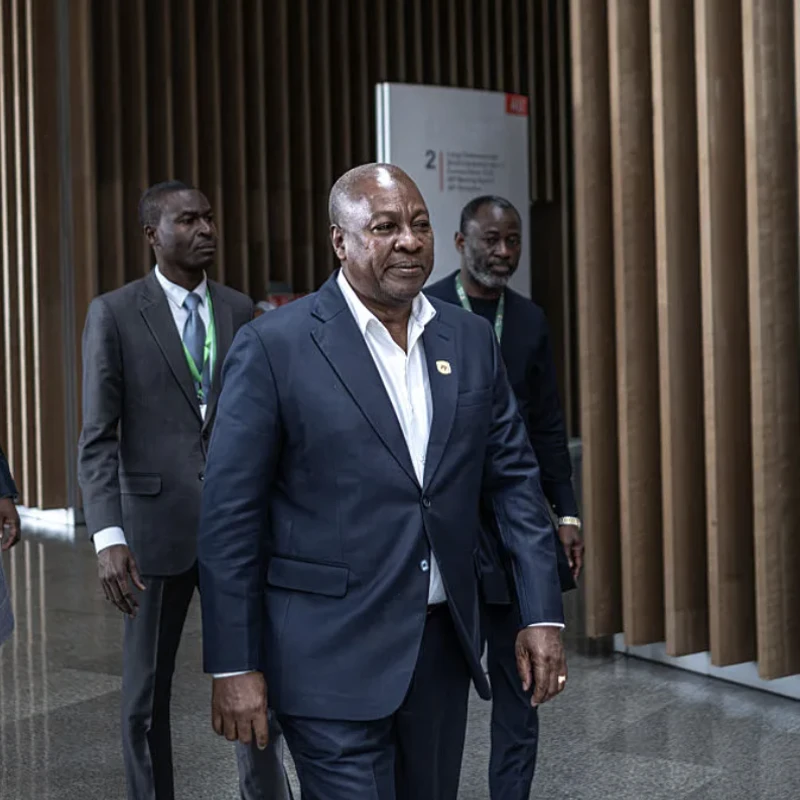
In a move that has drawn significant international attention, the United States, along with Argentina and Israel, voted against a United Nations resolution that declared the trans-Atlantic slave trade the “gravest crime against humanity.” The resolution, introduced by Ghana, also called for member nations to formally apologize for slavery and contribute to a reparations fund.
US Objections to Reparations and Hierarchy
The U.S. representative to the UN Economic and Social Council, Dan Negrea, explained the nation’s ‘no’ vote, citing long-standing objections to the framing of “reparatory justice” and the “duty of reparation” for historical wrongs. Negrea also stated that the U.S. strongly opposes the resolution’s attempt to rank crimes against humanity, arguing that such a hierarchy “diminishes the suffering of countless victims and survivors of other atrocities throughout history.”
This stance contrasts sharply with claims made by the Trump administration regarding its support for Black Americans. Ghana’s President John Mahama had specifically called out the administration’s efforts to downplay the horrors of slavery prior to the vote, describing the resolution as a “safeguard against forgetting.” President Trump’s executive order aimed at altering how history is taught in national museums and parks, focusing more on America’s “brightness” than the “bad” aspects of slavery, has also been cited as a contributing factor to the U.S.’s position.
Debate Over Hierarchy vs. Context
The U.S. argument that the resolution creates a hierarchy of atrocities was challenged by Kyeretwie Osei, head of programs at the African Union’s economic, social, and cultural council. Osei clarified that the resolution’s intent is not to rank crimes but to “properly situate that particular chapter in history” and acknowledge its profound, world-altering impact that laid the groundwork for subsequent atrocities.
Despite the U.S. objection, the resolution passed with 123 nations voting in favor. However, 52 nations, including the UK and EU members, abstained. The UK’s chargé d’affaires to the U.N., James Kariuki, also cited the concern about creating a hierarchy of historical atrocities as the reason for abstention. The implications of “repertory justice” and the resolution’s next steps remain unclear.
What are your thoughts on the U.S. voting against the UN slavery resolution? Do you agree with the U.S. stance on ‘reparatory justice’ and avoiding a hierarchy of atrocities, or do you believe the resolution was a necessary step? Share your perspective in the comments below!
Leave a Reply