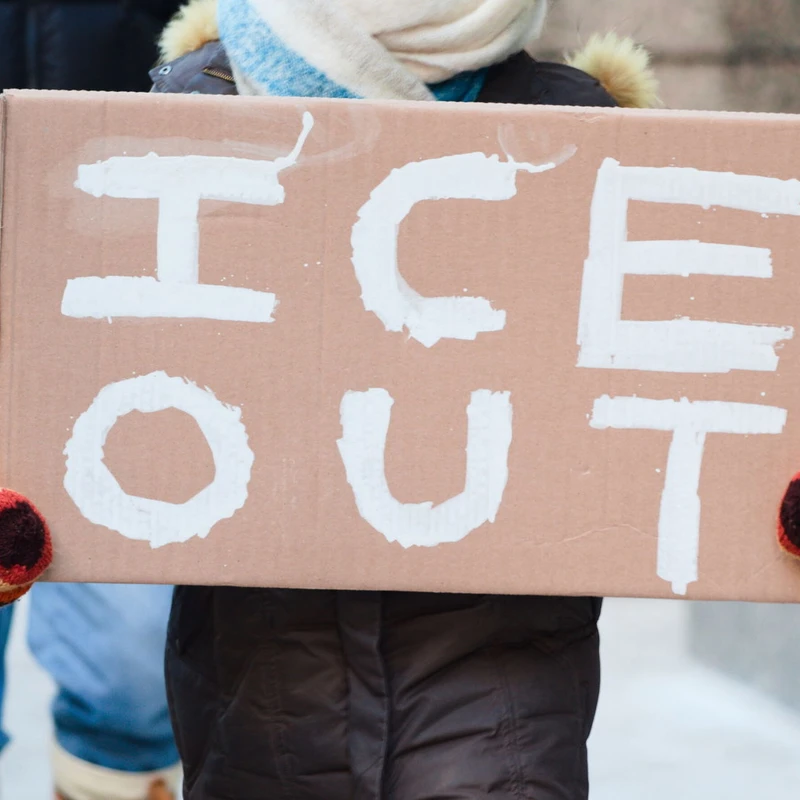
A controversial directive from former President Donald Trump has led to the deployment of Immigration and Customs Enforcement (ICE) agents to U.S. airports, sparking growing concerns over civil liberties. This move comes as the Transportation Security Administration (TSA) faces significant staffing shortages due to unpaid federal workers, resulting in widespread airport delays and long lines.
Concerns Over Traveler Rights and Fear
While ICE agents are reportedly assisting with airport operations, critics and federal worker unions are sounding the alarm. They warn that the presence of immigration enforcement officers in airports—often perceived as captive environments—could create confusion and heighten fear among travelers. Jonathan Blazer, ACLU Director of Border Strategies, told USA Today that adding the possibility of ICE harassment to an already vulnerable situation is inappropriate and unfair.
Civil liberties experts emphasize that all travelers, regardless of immigration status, retain constitutional protections. For U.S. citizens, airport screenings are primarily administrative, not criminal. While basic identification is required for boarding, citizens generally have the right to remain silent beyond initial ID checks. Some U.S. citizens are now carrying passports as a precaution, especially if they fear being perceived as foreign due to their appearance or accent.
Navigating Airport Encounters: Know Your Rights
According to the ACLU, travelers are typically only required to answer basic questions about their identity and travel plans. Refusing a request to search a phone, however, could lead to further screening or temporary detention. Importantly, ICE agents do not have unlimited authority to stop or detain U.S. citizens without reasonable suspicion or probable cause, thanks to the Fourth Amendment’s protection against unreasonable searches and seizures.
It’s worth noting that federal authorities may claim broader powers within 100 miles of the U.S. border, but constitutional rights still apply. Recent incidents have unfortunately shown instances where immigration authorities have mistakenly detained U.S. citizens, adding to the unease.
Rights for Non-Citizens and Legal Residents
Lawful permanent residents and visa holders also possess important rights, though their situations can be more complex. Green card holders are generally expected to answer questions about their immigration status and carry documentation, but they retain due process protections. Visa holders might face stricter questioning and risk entry denial if they refuse to cooperate.
Non-citizens, particularly those without legal status, may face increased scrutiny but still have key rights, including the right to remain silent and refuse certain searches. They also have the right to an attorney if detained, though this request might be denied depending on the circumstances. Civil rights advocates caution that the presence of ICE agents could blur the lines between routine security screening and immigration enforcement, emphasizing that ICE’s authority remains subject to constitutional limits.
How do you feel about ICE agents being deployed at airports? What steps do you take to protect your rights when traveling? Share your thoughts and experiences in the comments below!
Leave a Reply