The thrill of travel often comes with a standard checklist: book flights, secure hotels, plan activities, and pack. But for autistic travelers and their families, the preparation involves an extra layer of consideration. The bustling airports, potential delays, and sensory intensity of new surroundings can be overwhelming. As the travel industry increasingly embraces inclusivity, awareness and meticulous planning emerge as the most crucial tools for a more seamless journey.
Understanding Travel Challenges for Autistic Passengers
Autism Spectrum Disorder (ASD) is a developmental condition affecting communication, behavior, and sensory experiences. It’s a spectrum, meaning symptoms and their severity vary widely. For autistic individuals, travel can present unique hurdles, primarily related to sensory sensitivities and disruptions to routine. Airports and stations, often designed for efficiency, can be overwhelming with their fluorescent lights, loud announcements, and unpredictable crowds.
The very nature of travel disrupts routine, which can be particularly challenging for those who thrive on predictability. Unexpected changes like flight delays or gate changes can cause significant distress. Communication differences also play a role; while some autistic individuals communicate verbally with ease, others may be nonverbal, making it difficult to express needs or interact with staff who may not be adequately trained.
Pre-Trip Planning: The Foundation for Success
Structure and predictability are key for many autistic travelers. Thorough research into autism-friendly airlines, airports, and accommodations is a great starting point. Creating a visual schedule or a “social story” can demystify the journey, familiarizing the traveler with each step, from airport procedures to hotel stays and planned excursions.
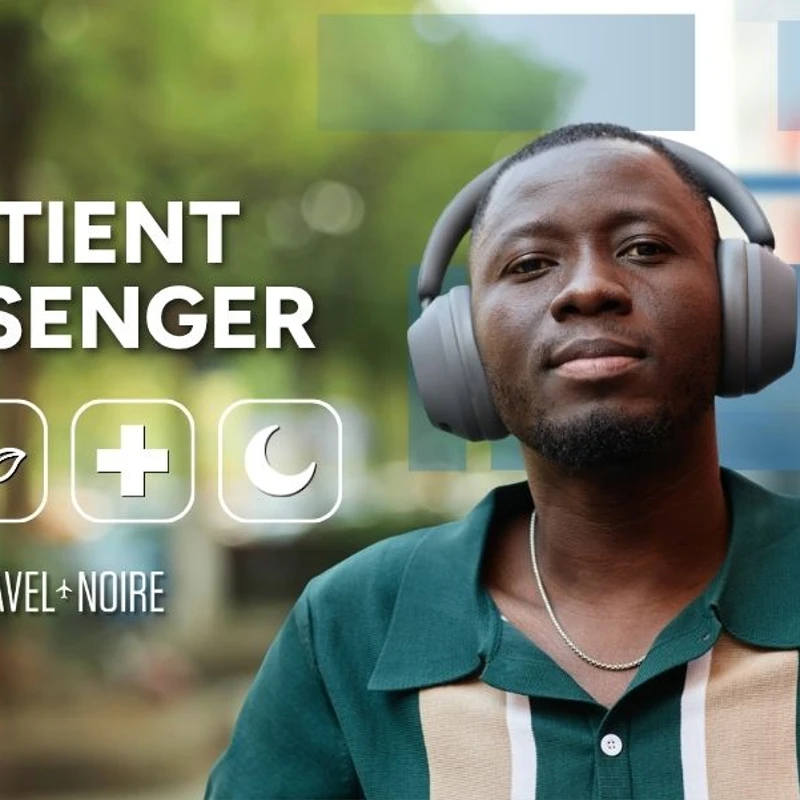
Don’t hesitate to contact hotels, excursion providers, and theme parks in advance to request special accommodations. Many offer programs designed to help families navigate busy environments. A sensory comfort kit, packed with noise-canceling headphones, fidget tools, and familiar snacks, can also be a lifesaver. For flights and trains, requesting pre-boarding allows for a calmer transition, helping to avoid crowds and settle in before the rush.
Navigating Airports and Terminals with Ease
Allowing ample time is crucial. Arriving early provides a buffer for security lines and boarding. Visibility aids like the Sunflower lanyard can signal hidden disabilities to staff, facilitating understanding and support. For assistance navigating airport security, the TSA Cares helpline offers personalized support for travelers with disabilities, conditions, or special circumstances – be sure to request this service at least 72 hours before your travel date.
For cruise travel, notify the cruise line in advance to arrange assistance, as TSA Cares is specific to airports. Choosing seats strategically on planes and trains can also enhance comfort. Window seats can minimize overstimulation from aisle traffic, while aisle seats offer easier access for movement.
Making Flights and Trains More Comfortable
Communicating your loved one’s needs to the flight or train crew in advance is essential. Discussing in-flight sensory strategies, such as providing entertainment options, special headphones, or comfort items like pillows and snacks, can greatly improve the journey. Ensuring optimal comfort through familiar gadgets can also help maintain calmness.
Settling into a New Environment
Upon arrival, allow time for adjustment. Establishing familiar routines, creating a sensory-friendly space, and using visual aids can help reduce anxiety. Maintaining regular meal, nap, and bedtime schedules is important. Upon arrival, consider using white noise machines or blackout curtains to manage unfamiliar sounds and lighting. Identifying quiet spaces for decompression is also vital for moments of overwhelm.
Caregiver Emotional Well-being
Traveling with an autistic loved one also requires caregivers to manage their own emotions. Practicing how to redirect conversations, explain neurodiversity to others, and advocate for safety without apology is crucial. Preparing for interactions with less sensitive individuals can help maintain a positive and respectful travel experience for everyone.
Top Autism-Friendly Destinations
Fortunately, many destinations and resorts now cater specifically to autistic travelers. Resources like Autism Travel and Autism Double-Checked offer directories of certified locations. Cities like Mesa, Arizona, and Myrtle Beach, South Carolina, have undergone extensive training to provide sensory-friendly experiences. The Bahamas, particularly resorts like Atlantis Paradise Island and Baha Mar, offer inclusive tourism with trained staff. Disney Parks and Cruise Line are renowned for their dedicated support, including the Disability Access Service and sensory-friendly options. Cruise lines like Royal Caribbean also partner with organizations like Autism on the Seas to provide specialized services.
What are your top tips for traveling with an autistic loved one? Share your experiences and advice in the comments below!
Leave a Reply