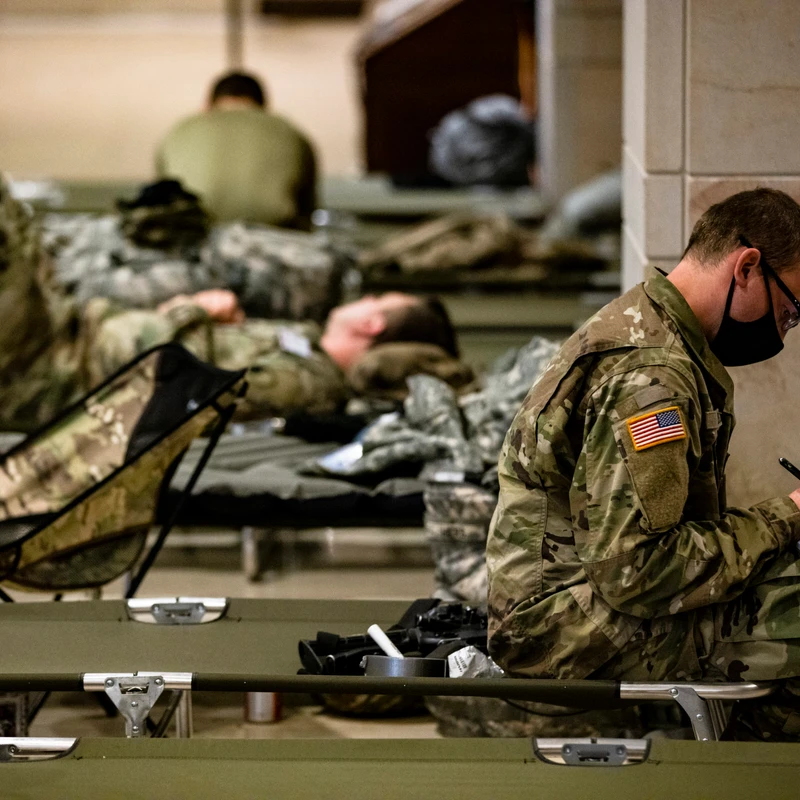
The reality on the ground in the Middle East is stark: over 230 U.S. service members have been wounded since the conflict with Iran began. This number is tragically climbing as attacks continue to ripple across the region. It’s a sobering update from a war that is still very much unfolding in real-time.
Traumatic Brain Injuries: The Silent Epidemic
What’s particularly concerning is the nature of these injuries. The vast majority of wounded troops are suffering from traumatic brain injuries (TBIs). These are often the result of blast exposures from the missile and drone attacks that have targeted U.S. positions. While burns and shrapnel wounds are also present, brain trauma has emerged as the most prevalent issue affecting our troops in active zones.
This figure represents a significant increase from earlier reports, highlighting the escalating frequency and widespread nature of these attacks. While many service members are able to return to duty after treatment, the steady rise in numbers is a clear indicator of the intense and ongoing nature of the conflict.
The Lingering Impact of TBI
The insidious nature of TBIs adds another layer of worry. Symptoms don’t always appear immediately; they can take days or even weeks to manifest after exposure. This means the total number of troops affected could continue to grow, even after the initial conflict subsides. The long-term consequences of brain trauma can follow these brave individuals far beyond the battlefield, impacting their lives for years to come.
Adding to the grim toll, at least 13 U.S. service members have lost their lives since the conflict began in late February. The war continues to expand, with Iran launching retaliatory strikes and U.S. forces conducting ongoing operations across multiple countries. While many injuries are not life-threatening in the immediate sense, the potential for lasting effects from brain trauma is a serious concern.
What are your thoughts on the rising number of TBI cases among U.S. troops in the Iran conflict? Share your perspective in the comments below.
Leave a Reply