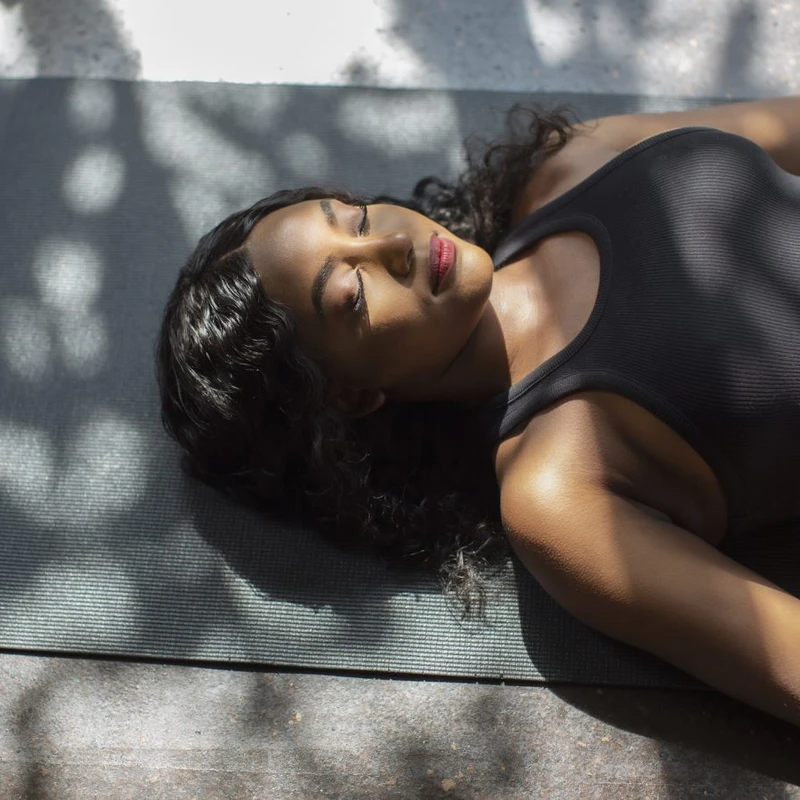
My journey to Costa Rica for a four-day ayahuasca ceremony began with a profound sense of disbelief: “This is the most non-Black thing I’ve ever done.” Traveling over 5,000 miles from Los Angeles, I was seeking healing through “Mother Aya,” a term of endearment for the potent plant medicine. The ceremony space, a hazy maloca filled with soothing music, felt worlds away from my reality in 2025, a year marked by a difficult breakup, the loss of a dear friend, financial struggles as an entrepreneur, and navigating my 40th birthday feeling far from having my life figured out.
Challenging Perceptions of Ayahuasca and Black Women’s Healing
Ayahuasca, a psychedelic tea from the Amazon, is said to find you when you’re ready. If that’s true, my life in 2025 had rolled out a red carpet for it. I’d previously been intrigued by its potential to address deep-seated trauma and negative patterns, but the purging aspect and the lack of visible Black participation in such healing modalities put me off. Years later, hearing a wellness podcast guest describe their transformative ayahuasca ceremony at Rythmia, a licensed retreat in Costa Rica, reignited my interest. The promise of clarity and spiritual connection, coupled with a “98 percent miracle rate,” was compelling.
Upon arrival, I was surprised and heartened to see nearly 10 other Black women among the 70-plus participants. This shared experience immediately fostered a sense of community, melting away anxieties and armor. We were all there, confronting our own challenges—heartbreak, grief, entrepreneurial burdens, and societal expectations—in a space that felt surprisingly inclusive.
The Transformative Power of Ceremony
My initial ayahuasca ceremonies were mild, leaving me to wonder about the hype. However, by the fourth ceremony, my body surrendered. Vivid, personal visions and inner dialogues with what felt like a higher self or ancestor provided profound insights. Sitting in a prayer circle, feeling the gentle touch of shamans and helpers, I thought of my daughter and realized this journey was also for her.
Ayahuasca, with its indigenous roots in the Amazon, is far from a Western-centric practice. The brew, combining the Banisteriopsis caapi vine and Psychotria viridis shrub, has been used for centuries in spiritual, medicinal, and communal rituals. Its increasing use by Westerners reflects a growing interest in alternative mental health treatments and self-discovery. My initial questioning of whether this medicine was “meant for someone like me” stemmed from a Western wellness perspective, but I soon realized its indigenous origins placed it outside that limited view.
- The author embarked on a four-day ayahuasca ceremony in Costa Rica seeking healing.
- She initially questioned Black women’s participation in such practices but found a community.
- The experience challenged her beliefs about healing and visibility.
- Ayahuasca is an indigenous plant medicine used for spiritual and medicinal purposes.
- The journey provided personal insights and a renewed commitment to well-being.
Have you ever explored alternative healing modalities like ayahuasca? What are your thoughts on the visibility of Black women in wellness spaces? Share your experiences and perspectives in the comments below!
Leave a Reply