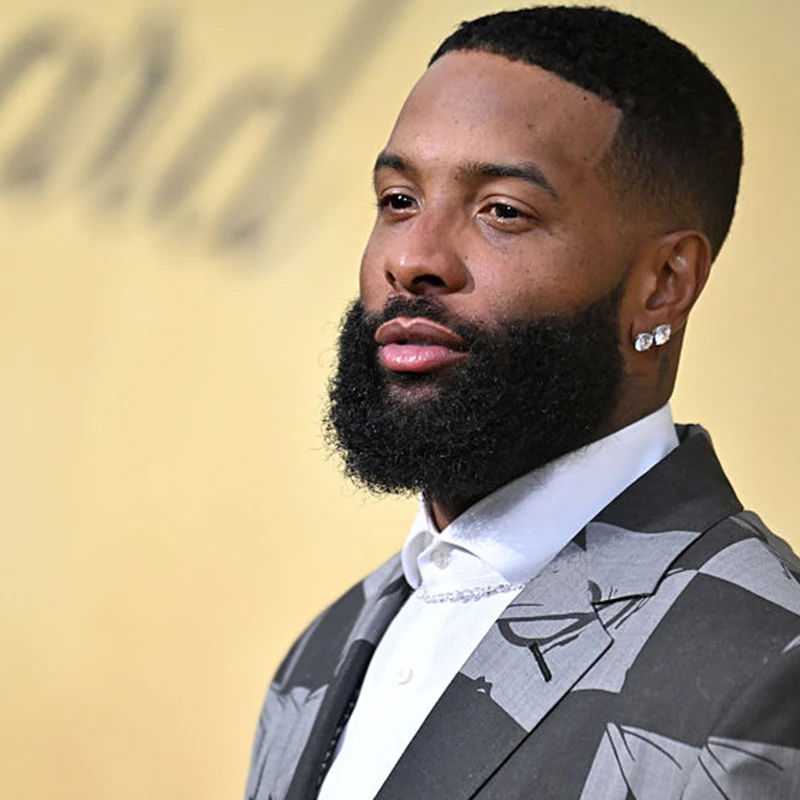
Ever wondered what a $100 million NFL contract *really* looks like after all the deductions? Odell Beckham Jr. recently found himself in the middle of a lively online discussion after sharing his perspective on the financial realities of such massive deals. His comments, originally made on “The Pivot Podcast,” have resurfaced, prompting reactions from fans and fellow athletes alike.
Breaking Down the Big Bucks
Beckham, a star wide receiver drafted in 2014 and with career earnings reportedly over $102 million, explained that the advertised contract figures don’t reflect the actual take-home pay. After taxes, agent fees, and other essential costs, a $100 million deal over five years might actually net closer to $60 million. That breaks down to about $12 million per year, which needs to cover living expenses, savings, investments, and yes, even some flaunting.
He illustrated this by saying that spending $4 million annually – a seemingly modest amount for a millionaire – would amount to $40 million over five years. The question then becomes: can that $60 million truly last a lifetime, especially with significant life expenses?
Shannon Sharpe Weighs In
The conversation gained significant traction when former NFL star and analyst Shannon Sharpe discussed Beckham’s remarks on his show, “Nightcap.” Sharpe expressed surprise that a player earning over $100 million might struggle to make it last. He pointed out that while athletes often have expensive tastes like multiple homes and luxury cars, the responsibility for these ongoing costs ultimately falls on them.
OBJ, I’m going to be honest with you, bro, if you get $60 million and that can’t last you a lifetime, you’ve got a problem. — Shannon Sharpe
Sharpe suggested that even spending $4 million a year without running a business would be an excessive amount for a lifetime fund, implying that financial discipline is key.
Beckham’s Response to the Debate
Feeling that his words were being taken out of context, Beckham took to X (formerly Twitter) to respond. He expressed frustration with how comments can be twisted, stating, “Boy u can’t say nothin in this world nowadays… People love to take Shxt completely outta context to rationalize a statement in their own head that makes sense to them… what a world.”
Beckham’s original explanation highlighted the significant impact of taxes and fees, and he also mentioned everyday expenses like homeownership, car maintenance, and supporting family members as factors that deplete earnings over time. While Sharpe argued that many of these costs are discretionary, Beckham’s point underscores the complex financial planning required even for those with seemingly astronomical incomes.
What do you think about Odell Beckham Jr.’s perspective on NFL contract finances? Do you agree with Shannon Sharpe’s take? Let us know your thoughts in the comments!
Leave a Reply